WANGEELA WAQEFANA FANNOO ABDII AMANTII JAALALA YESUS QAJEELUMMAA

Waa’een Keenya[About Us][ስለ እኛ][ብዛዕባና][Nagu saabsan]

Gooftaan keenya Yesus Kristoos erga du’aa ka’ee booda, Ergamootatti akkasumas isaan boodaan dubbii isaan lallaban amananii warra gara Yesus Kristoos dhufanitti ajaja tokko kennee ol ba’e. Innis, Maarqoos 16:15 Inni, “Gara biyya lafaa hundumaa dhaqaa! Uumama hundumaattis Wangeela lallabaa! Dhimmi keenyas egaan, dhugaa waa’ee Yesus Kristoos uumama biraan ga’uu dha! Eebbifamaa.


After His resurrection, our Lord Jesus Christ ascended with one command to the Apostles and to those who believed the words they preached and came to Jesus Christ. It is, Mark 16:15 He said, “Go ye into all the world, and preach the Gospel to every creature. Our mission, then, is to bring the truth about Jesus Christ to creation! Be blessed!


ጌታችን ኢየሱስ ክርስቶስ ከትንሣኤው በኋላ አንድ ትእዛዝን ለሐዋርያትና እነሱ የሰበኩትን ቃል አምነው ወደ ኢየሱስ ክርስቶስ የመጡትን ሰጥቷቸው ወደ ላይ አረገ። እሱም፣ ማርቆስ 16፡15 “ወደ አለም ሁሉ ሂዱ ወንጌልንም ለፍጥረት ሁሉ ስበኩ ተልእኳችን ስለ ኢየሱስ ክርስቶስ እውነትን ወደ ፍጥረት ማምጣት ነው። ተባረኩ


ድሕሪ ትንሣኤ ጎይታና ኢየሱስ ክርስቶስ ንሓዋርያት ትእዛዝ ሂቡ በቲ ዝሰበኽዎ ቃል ኣሚኖም ናብ ኢየሱስ ክርስቶስ መጹ። ንሱ እዩ፣ ማርቆስ 16፡15 “ናብ ኵላ ዓለም ኪድ እሞ ንዅሉ ፍጥረት ወንጌል ስበኽ። ተልእኾና ብዛዕባ የሱስ ክርስቶስ ሓቂ ናብ ፍጥረት ምምጻእ እዩ።” ተባረኹ


Sarakiciddiisa dabadeed, Rabbigeenna Ciise Masiix wuxuu la kacay hal amar Rasuullada iyo kuwii rumaystay hadalladii ay wacdiyeen oo u yimaadeen Ciise Masiix. Waa, Markos 16:15 Wuxuu yidhi, “Dhammaan dunida taga oo injiilka ku wacdiya uunka oo dhan. Haddaba hadafkayagu waa inaan runta Ciise Masiix u keenno uunka! Barakoow.

Tajaajilli karaa kanaan darbu[The ministry broadcast from here][ከዚህ የሚሰራጨው አገልግሎት][ካብዚ ዘዕደል ኣገልግሎት][Adeegga halkan laga qaybiyo]

Barsiisa Wangeelaa[Teaching of the Gospel][የወንጌል ትምህርት][ትምህርቲ ወንጌል][Barashada Injiilka]:

Ibiroota[Hebrews] [ዕብራውያን][Cibraaniyada] 4:12 Dubbiin Waaqayyoo jiraataa dha, humna hojjetus of keessaa qaba, billaa gar lamaan qarame caalaa qara qaba; inni lubbuu fi hafuura, buusaa fi dhuka gargar ni baasa, yaadaa fi akeeka garaa namaas qoree faraduudhaaf ni danda’a


Waaqayyo jaalala guddaa biyya lafaa jaal’ate, hamma tokkicha Ilma Isaa dabarsee kennuufitti. Ilmi Isaa Yesus Kiristoosis ofii Isaa dabarsee cubbuu Ilmaan namootaatiif laachuudhaan, fannoo irratti du’ee, Seexana isa aangoo du’aa qabu harkaa aangoo fuudhee, warreen sodaa du’aa jela jiraatan birmaduu baasee, warra Isatti amanan Mirga Isaa akka taa’aniif jireenya bara baraa akka argataniif dandeessise. Egaa tajaajilli as irraan tamsaasamu illee dhugaa waa’ee Yesus Kiristoos…


For God so loved the world, that he gave his only begotten Son, that whosoever believeth in him should not perish, but have everlasting life. His Son Jesus Christ gave Himself for the sins of mankind, died on the cross, took power from Satan, who had the power of death, to set free those who lived in fear of death, and to give life to those who believe in Him enabled them to have a seat at His right hand. So even the ministry broadcast from here is the truth about Jesus Christ.


በእርሱ የሚያምን ሁሉ የዘላለም ሕይወት እንዲኖረው እንጂ እንዳይጠፋ እግዚአብሔር አንድያ ልጁን እስኪሰጥ ድረስ ዓለሙን እንዲሁ ወዶአልና። ልጁ ኢየሱስ ክርስቶስ ስለ ሰው ልጆች ኃጢአት ራሱን አሳልፎ ሰጠ፣ በመስቀል ላይ ሞቶ፣ ሞትን በመፍራት የሚኖሩትን ነጻ ሊያወጣ፣ በእርሱ ለሚያምኑት ሕይወትን ሊሰጥ ከሰይጣን ኃይል ወሰደ። በቀኝ እጁ መቀመጫ እንዲኖራቸው አስችሏቸዋል። ስለዚህ ከዚህ የሚሰራጨው አገልግሎት እንኳን ስለ ኢየሱስ ክርስቶስ እውነት ነው።


ኣምላኽሲ ብእኡ ዚኣምን ዘበለ ዅሉ ናይ ዘለኣለም ህይወት ምእንቲ ኺረክብ እምበር፡ ከይጠፍእ፡ ነቲ ሓደ ወዱ ኽሳዕ ዝሃቦ፡ ንዓለም ኣዝዩ ኣፍቀራ። ወዱ ኢየሱስ ክርስቶስ ምእንቲ ሓጢኣት ደቂ ሰባት ገዛእ ርእሱ ሂቡ፡ ኣብ መስቀል ሞተ፡ ሓይሊ ሞት ካብ ዝነበሮ ሰይጣን ሓይሊ ወሲዱ፡ ነቶም ብፍርሒ ሞት ዝነብሩ ሓራ ከውጽእ፡ ነቶም ብእኡ ዝኣመኑ ድማ ህይወት ክህቦም እዩ። ኣብ የማናይ ኢዱ መንበር ክህልዎም ኣኽኢልዎም። ስለዚ ካብዚ ዝፍኖ ኣገልግሎት ከይተረፈ እቲ ሓቂ ብዛዕባ ኢየሱስ ክርስቶስ እዩ።


Ilaah intuu dunida jacayl u qabay ayuu siiyey Wiilkiisa keliya oo dhashay in mid kastoo isaga rumaystaa uusan lumin laakiinse uu lahaado nolosha weligeed ah. Wiilkiisa Ciise Masiix wuxuu naftiisa u bixiyey dembiyada aadanaha, iskutallaabta dusheeda ayuu ku dhintay, wuxuu xoog ka qaatay Shaydaanka oo lahaa xoogga dhimashada, si uu u xoreeyo kuwa ku nool cabsida dhimashada, iyo inuu nolosha siiyo kuwa isaga rumaystay. wuxuu u suurtageliyay inay ku fadhiistaan ​​gacantiisa midig. Markaa xitaa wasaaradda laga sii daayay halkan waa runta ku saabsan Ciise Masiix.

Macaafa Qulqulluu[Bible][መጽሐፍ ቅዱስ][መጽሓፍ ቅዱስ]:

Macaafa Qulqulluu [Kakuu Haaraa fi Moofaa]

Bible [Old Testament and New Testament]

IJA HOJII HAFUURAA:

  • JAALALA
    • Danda’aa dha
    • Gaarummaas ni argisiisa
    • Hin hinaafu
    • Of hin jaju
    • Of hin bokoksu
    • Lafa salphinaa hin ijaajju
    • Waan isatti tolu duwwaas hin barbaadu
    • Hin dallanu
    • Waan hamaas nama irratti hin lakkaa’u
    • Qajeelina dhugaatti gammada male
    • Jal’inatti hin gammadu
    • Karaa tokko illee nama hin lafafu
    • Hunduma isaa ni amana
    • Hunduma isaa abdata
    • Hunduma isaas obsa
  • NAGAA
  • GAMMACHUU
  • GAARUMMAA
  • GARRAAMUMMAA
  • OBSA
  • OF QABUU
  • ARJUMMAA
  • AMANAMUMMAA

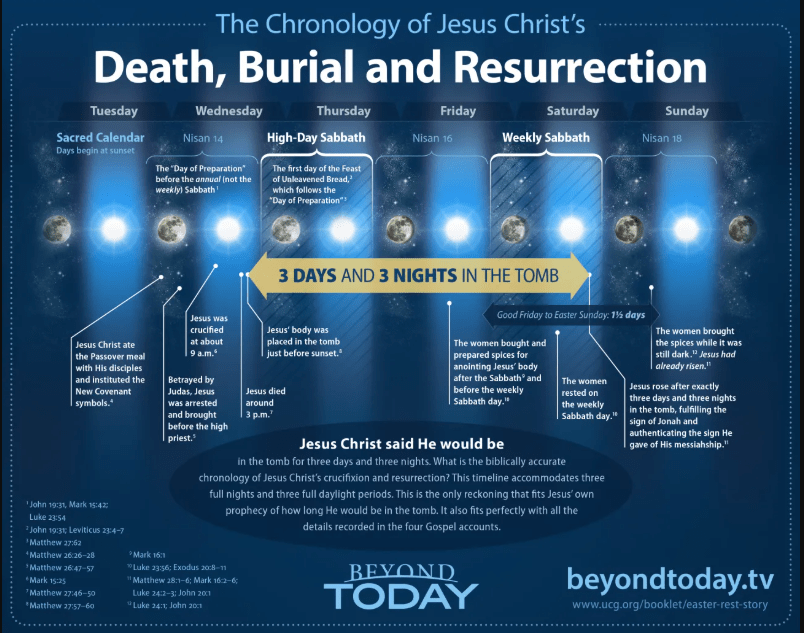
The Chronology of Jesus Christ’s Death Burial and Resurrection

Gaaffiiwwan Musliimota irraa ka’anii fi Deebiiwwan Kristaanotaa[Christian Answers to Muslim Questions] By Sam Shamoun

Throughout the course of this study, the object will be to give a rational and loving defense of the Gospel (1 Peter 3:15; Jude 3; 2 Corinthians 10:5; Acts 9:22, 29; 17:2-3, 19; 18:24-28; Philippians 1:7, 16; Titus 1:6-9). Apologetics is often a neglected aspect of Muslim evangelism, and yet it is perhaps one of the most important.

The general Muslim opinion about Christianity is that it is both irrational and indefensible. Doctrines such as the Trinity, the Deity of Jesus Christ, Original Sin, and Jesus’ vicarious death are viewed as illogical and absurd. The idea that God would actually become a man to die for sinners who are under condemnation due mainly to Adam’s sin, a sin which they had no part in, is logically inconceivable for Muslims.

This makes it binding on the Christian to first know what he believes and why he believes it, as well as being able to present the biblical evidence to support such beliefs.

We will break down the study in four parts and cover the arguments used by Muslims in relation to each of the four sections. From there we will give a concise reply to the major arguments used against Christianity. This must be done in prayer and sincere Christian love in order that God might grant repentance to those Muslims who are sincerely seeking for the truth. The four sections include:

  1. The Nature of God
  2. The Plan of Salvation
  3. The Person of Jesus
  4. The Authority of the Bible

THE NATURE OF GOD:

Muslim Argument:
Christians believe that God is a Trinity. Yet, nowhere do we find the Trinity taught in the Bible. The clear biblical witness is that God is absolutely one, having no plurality (Cf. Deuteronomy 4:35, 39; 6:4; Psalm 86:10; Isaiah 43:10; 44:6, 8; 45:5-6, 18, 21-22; 46:9).

Christian Response:
In fact, both Jesus and Paul taught that God is absolutely one (Cf. Mark 12:29-30; John 17:3; 1 Corinthians 8:6a; 1 Timothy 2:5).

The Trinity entails the belief in only one God. Christians do not worship three Gods. Therefore biblical references indicating that there is only one God affirms, rather than denying, the Trinitarian belief.

The Bible teaches that although there is only one God, there are three Persons addressed as God: The Father (1 Peter 1:2), the Son (Matthew 1:23; John 20:28; Colossians 2:9; Titus 2:13), and the Holy Spirit (Acts 5:3-4).

(Note: Jesus in John 17:3 refers to the Father as the only true God. This point needs further clarification since it seems to imply that Jesus is denying that he is truly God as well. It must be remembered that Christ at the Incarnation became a real human being without ceasing to be divine. As the God-man, the Father became his God. Therefore, we would expect Jesus to refer to his Father as the true God, since the Father cannot possibly be a false God.)

Muslim Argument:
The New Testament contradicts the Old Testament, since in the Old no mention is made of aplurality of Persons who are God.

Christian Response:
The Old Testament does in fact affirm the plurality of the Godhead in several places:

  1. It addresses God with plural pronouns. (Cf. Gen.1:26-27, 3:22, 11:7; Isa. 6:8) This cannot simply be a plural of majesty, a majestic form of address, since biblical Hebrew did not have this linguistic feature.
  2. It clearly refers to more than one Person in the Godhead (Cf. Gen. 19:24; Proverbs 30:4; Isa. 48:12-16; Zechariah 2:7-11, 3:1-2).
  3. It refers to the Angel of Jehovah as being both distinct from God and fully God at the same time. (Cf. Gen. 31:10-13-cf.- 28:10-19; Exodus 3:1-4, 13-14; 23:20-22; Judges 2:1-5) (Note- The Bible denies the worship of angels and angels never refer to themselves as God [Cf. Col. 2:18; Revelation 19:9-10, 22:8-9]. This strongly supports the fact that this specific Angel was not just simply God’s representative, but OT appearances of the preincarnate Christ)
  4. It attributes the work of creation to the Spirit of God (Cf. Gen. 1:2; Job 26:13, 33:4; Psalm 104:30)
  5. When referring to the unity of God in Deuteronomy 6:4, Moses used the Hebrew echad: Shema Yisrael, Yahweh Elohenu Yahweh Echad- Hear O Israel, the LORD our God the LORD is One. The term, echad, is used to show a plurality within unity as in Gen. 1:3, 2:24 and Jeremiah 32:38-39. Had Moses wanted to imply the absolute singularity of the Godhead he could have easily used the Hebrew yachid as in Gen. 22:2. There, Isaac is called Abraham’s only Son.

Muslim Argument:
If the Old Testament does teach the plurality of God, then how is it that the Jews who have studied it for all these centuries never came to the conclusion that God is a Trinity?

Christian Response:
Whether the Jews have come to realize that the Old Testament teaches the fact of the Trinity is irrelevant. What is relevant is if whether the OT supports the Trinity, which we have proven that it does.

Furthermore, it is not entirely true that Jews have not embraced the teaching of the Trinity. Throughout the ages, thousands of Jews have embraced the reality that God is a tri-Personal Being, as opposed to being uni-Personal.

In fact, there are thousands of messianic Jews today, Jews who both believe that Jesus is the Messiah and that God is a Triune Being.

2. THE NATURE OF CHRIST

Muslim Argument:
There is no clear biblical reference from the lips of Jesus claiming to be God. In fact, nowhere in the Bible does Jesus teach anyone to worship him. Instead, he commands that one should worship God (Cf. Mat. 4:10).

Christian Response:
There is a very good reason why Jesus did not just come out right away and proclaim that he was God. Noted New Testament Scholar and Catholic Theologian, Raymond E. Brown states it best:

“The question concerns Jesus a Galilean Jew of the first third of the first century, for whom God' would have a meaning specified by his background and the theological language of the time. By way of simplification (and perhaps oversimplification) let me say that I think by a Jew of that periodGod’ would have been thought of as One dwelling in the heavens- among many attributes. Therefore, a question posed to Jesus on earth, `Do you think you are God? would mean did he think he was the One dwelling in heaven. And you can see that would have been an inappropriate question, since Jesus was visibly on earth. As a matter of fact the question was never asked of him; at most he was asked about his relationship to God.” (Brown, Responses to 101 Questions on the Bible [Mahwah, N.J.; Paulist Press, 1990], p.98)

Therefore, for Jesus to say that he was God without qualification would have meant that Jesus was claiming to be the same person commonly referred to by both Jews and Christians as the Father. Yet, Jesus was not the same person as the Father, but was distinct from him, sharing the same essence and nature equally. Brown notes:

“… I would say that by that time (i.e. the last decade of the first century), under the impact of their quest to understand Jesus, Christians had in a certain sense expanded the meaning of the word `God.’ It no longer for them simply covered the Father in heaven; it covered the Son on earth. They had come to realize that Jesus was so intimately related to God, so filled with God’s presence, that the term God was applicable to him as it was to the Father in heaven. May I emphasis that this does not involve a change in Jesus; it involves a change and growth in the Christian perception of who he was.” (Op. Cit.)

That Brown does not mean to say that it was Jesus’ followers, and not Jesus himself, who came to realize that he was God, is clear from his following statement:

“Did Jesus have an identity which his followers later came to understand in terms of his being God? If he was God (and most Christians do agree on that), did
he know who he was? I think the simplest answer to that question is yes.” (Ibid., p. 99)

Hence, once Jesus had clearly affirmed the distinction between the Father and himself the term “God” came to be understood as a reference not just to a specific person, but to all the Persons of the Godhead. Once this qualification had been made clear, Jesus went on to make divine claims. Some claims include the following:

  1. Jesus claims to be the Lord of the Sabbath, which to the Jews would have been a claim of being Yahweh God. (Cf. Mat. 12:8; Leviticus 23:3)
  2. Jesus clearly refers to himself as God to the Gadarene demoniac (Cf. Luke 8:38-39)
  3. Jesus claims to be Almighty in Revelation 1:7-8.
  4. Jesus applies titles of God to himself, such as
    • First and the Last. (Cf. Isa. 48:12; Rev. 1:17-18, 22:12-13, 20)
    • I AM. (Cf. Isa. 48:12; John 8:58, 18:4-6)
  5. Jesus forgives sins and heals, something which Yahweh does. (Cf. Mark 2:1-12; Psalm 103:3)
  6. Jesus is the Source of Life and the Resurrection. (Cf. John 5:25, 28-29; 10:27; 11:25-26)
  7. Jesus is to receive the same exact honor that the Father receives, which includes praying to him. In fact, to praise Jesus is to praise Yahweh. (Cf. Mat. 21:14-18-cf.- Ps. 8:2; John 5:22-23, 14:13-14)
  8. Jesus is Omnipresent. (Cf. Mat. 18:20, 28:20; John 1:44-49; 14:21, 23; Ephesians 1:23, 4:10)
  9. Jesus is Omniscient. (Cf. Mat. 11:27; John 16:30, 21:17; Rev. 2:23b- Jer. 17:10)
  10. Jesus will judge all nations. (Cf. Mat. 25:31-33- Ezekiel 34:17; Rev.22:12- Isa. 40:10)

This list conclusively proves that Jesus both knew and claimed that he was God.

(Note: Muslims will often point to the fact that there is no place in the New Testament where Jesus says “I am God,” or “worship me.” When this point is brought out, indicate to the Muslim that by the same token nowhere in the New Testament does Jesus ever say “I am not God,” or “do not worship me”. Nor was Jesus ever commanded to say, much like Muhammad in the Quran, that he was only a human messenger [cf. S. 3:144; 17:93; 18:110]. Furthermore, neither does the Father in the New Testament ever say, “I am God,” and/or “worship me.” Using this logic we would be forced to conclude that the Father is not God as well. Point out to the Muslim
that s/he is simply arguing from silence which is nothing more than a logical fallacy since absence of evidence is not evidence of absence, i.e. just because the NT doesn’t record Jesus saying that he is God in those exact words doesn’t mean that he never did say it.)

Muslim Argument:
According to the Bible, Jesus cannot be the Messiah since Matthew’s genealogy lists him as a descendant of cursed Jehoaichin.(Mat. 1:11-16) In Jeremiah 22:24-30, God says of Jehoiachin:

“‘As surely as I live,’ declares the LORD, `even if you, Jehoiachin, son of Jehoiakim king of Judah, were a signet ring on my right hand, I would still pull you off. I will hand you over to those who seek your life, those you fear- to Nebuchadnezzar king of Babylon and to the Babylonians. I will hurl you and the mother who gave you birth into
another country, where neither of you was born, and there you both will die. You will never come back to the land you long to return to,

“Is this man Jehoiachin a despised, broken pot, an object no one wants? Why will he and his children be hurled out, cast into a land they do not know? O land, land, land, hear the word of the LORD! This is what the LORD says:`Record this man as childless, a man who will not prosper in his lifetime, for none of his offspring will prosper, none will sit on the throne of David or rule anymore in Judah.'”

If Matthew’s genealogy is correct, then Jesus cannot be a legitimate King of Israel nor the Messiah of God.

Christian Response:
It must be stated that the scriptures clearly teach that God’s decree of judgement is not always final since God often allows time for repentance to occur since his desire is for none to perish:

“Say to them, `As surely as I live declares the Sovereign LORD, I take no pleasure in the death of the wicked, but rather that they turn from their ways and live. Turn! Turn from your evil ways! Why will you die, O house of Israel?'” Ezekiel 33:11

In relation to God reversing a decision he has made due to man’s actions we read in Jeremiah 18:7-10:

“If at any time I announce that a nation or kingdom is to be uprooted, torn down and destroyed, and if that nation I warn repents of its evil, then I will relent and not inflict on it the disaster I had planned. And if at another time I announce that a nation and kingdom is to be built up and planted, and if it does evil in my sight and does not obey me, then I will reconsider the good I had intended to for it.” N.I.V.

An example of God reversing his decision due to a nation or individual’s action after hearing the prophetic warning is Ninevah. According to Jonah 3:4 God had declared that the city would be destroyed forty days after the prophet’s warning. But according to Jonah 3:10 we are told that after “God saw what they (the Assyrians) did and how they turned from their evil ways, he had compassion and did not bring upon them the destruction he had threatened.”

Evidently, we find this to be the case with Jehoiachin who obviously had repented since we find certain aspects of the curse reversed. For instance, one stipulation of the curse was that neither he nor his offspring would prosper and yet we find him prospering at the hands of Evil-Merodach king of Babylon:

“In the thirty-seventh year of the exile of Jehoiachin king of Judah, in the year Evil-Merodach became king of Babylon, he released Jehoiachin king of Judah from prison on the twenty-fifth day of the twelfth month. He spoke kindly to him and gave him a seat of honor higher than those of the other kings who were with him in
Babylon. So Jehoiachin put aside his prison clothes and for the rest of his life ate regularly at the king’s table. Day by day the king gave Jehoiachin a regular allowance as long as he lived, till the day of his death.” Jeremiah 52:31-34

Furthermore, we find his descendant Zerubbabel prospering in the hands of God, being commissioned by the Lord to rebuild his house:

“‘On that day,’ declares the LORD Almighty, I will take you, my servant Zerubbabel son of Shealtiel,' declares the LORD, and I will make you like my signet ring, for I have chosen you,’ declares the LORD Almighty.'” Haggai 2:23 N.I.V.

These factors strongly support the fact that Jehoiachin had repented which moved God reversed the curse upon him. This is not simply a Christian view but one endorsed by orthodox rabbinic Judaism as well. Sanhedrin 37b-38a states:

“R. Johanen said: Exile atones for everything, for it is written, Thus saith the Lord, write ye this man childless, a man that shall not prosper in his days, for no man of his seed shall prosper sitting upon the throne of David and ruling, anymore in Judah.' Whereas after he[the king] was exiled, it is written,And the sons of Jeconiah,’- `the same is Asir, Shealtiel his son etc.’ (1) [He was called] Asir, because his mother conceived him in prison. Shealtiel, because God did not plant him in the way that others are planted. We know by tradition that a woman cannot conceive in a standing position, [yet she] did conceive standing. Another interpretation: Shealtiel, because God ordained [of the heavenly court] absolution from his oath. (2)

The Soncino Talmud’s footnotes state:

(1) I Chr. III, 17 notwithstanding the curse that he should be childless, and not prosper, after being exiled he was forgiven.

(2) Which he had made (ed.-the oath), to punish Jeconiah with childlessness.

According to Pesikta de-Rab Kahana, God states “I accepted the repentance of Jeconiah: Shall I not accept your repentance?…”

Finally, the Jewish Encyclopedia records:

“Jehoiachin’s sad experiences changed his nature entirely, as he repented of the sins which he had committed as king he was pardoned by God, who revoked the decree to the effect that none of his descendants should ever become king… he even became the ancestor of the Messiah (Tan, Toledot, 20 [ed. Buber, I. 140] emphasis ours)

Muslim Argument:
Jesus cannot be God since he made false predictions. In Matthew 10:23 Jesus says to his disciples, “I tell you the truth, you will not finish going through the cities of Israel before the Son of Man comes.” The disciples went through the cities of Israel and Jesus still has not returned.

The second false prediction is found in Matthew 16:28 where Jesus states, “I tell you the truth some who are standing here will not taste death before they see the Son of Man coming in his kingdom.” The disciples have all died and Jesus has not come into his kingdom.

Finally, Jesus states in Matthew 24:34 his generation would not pass away until the fulfillment of all the prophecies leading to his second coming had occurred.

Christian Response:
There are no false predictions, but a misunderstanding of Jesus’ words. Firstly, Jesus’ saying “before the Son of Man comes” is not a reference to his second coming, but to his being reunited with his disciples after their evangelistic outreach. This becomes evident from Matthew 11:1 where it states that “after Jesus had finished instructing his twelve disciples, he went on from there to teach and preach in the towns of Galilee.”

Hence, Jesus had departed into Galilee while the disciples were traveling throughout the towns of Israel. Afterwards, Jesus met up with the disciples where “they reported to him all they had done and taught.” (Mark 6:30)

In regard to Matthew 16:28, Jesus was referring to the visible manifestation of his kingdom, where he would appear in glory and power. Jesus was promising his disciples that some of them would get a foretaste of how Jesus would appear at his return, where his second coming is to be accompanied by the proclamation of the two witnesses which scripture indicates must come before Christ. (Cf. Malachi 4:5; Rev. 11:1-12) This understanding becomes evident from
Mark’s account:

“And he said to them, `I tell you the truth, some who are standing here will not taste death before they see the kingdom of God come with power.’ ” Mark 9:1

The fulfillment of this promise took place shortly afterwards:

“After six days Jesus took with him Peter, James, and John the brother of James, and led them up a high mountain by themselves. There he was transfigured before them. His face shone like the sun, and his clothes became as white light. Just then there appeared before them Moses and Elijah talking with Jesus.” Matthew
17:1-3

Hence, Jesus did appear in kingly power and glory alongside the two witnesses, fulfilling his promise to the disciples.

In relation to Matthew 24:34, there are two possible responses. First, the term “generation” is the Greek geneous, a synonym of genes which means race. Hence, the race of Jews whom Jesus was addressing would not pass away until the culmination of the age. Secondly, Jesus may not have been referring to his generation per se, but the generation that would witness the signs that Christ predicted would occur before his second coming. (Cf. Mat. 24:15-33)

Muslim Argument:
According to Mark Jesus cursed a fig tree for not having figs on it, even though “it was not the season for figs” (Mark 11:12-14). If Jesus is God, did he not know that it wasn’t season for figs, and if so why would he curse it?

Christian Response:
There are three responses. Firstly, Jesus in his divine consciousness knows all things (Cf. John 21:17), and because of this fact he would have known beforehand whether the tree would bare figs or not. Secondly, before fig season something called taqsh sprouts on the tree as an indication of whether it would bear figs or not. Most likely, Jesus saw that there were no taqsh on the tree which would have indicated to him that it was barren.

Finally, Jesus might have been trying to teach a spiritual lesson. Figs are used in the Old Testament as a symbol for Israel:

“I found Israel like grapes in the wilderness; I saw your fathers as the firstfruits on the fig tree in its first season.” Hosea 9:10 N.K.J.V.

Therefore, Christ could have been indicating to his disciples that Israel would suffer judgment before the culmination of the age. The following parable solidifies this point.

“Then he told this parable: `A man had a fig tree planted in his vineyard; and he came looking for fruit on it and found none. So he said to the gardener, “See here! For three years I have come looking for fruit on this fig and I still find none, Cut it down! Why should it be wasting soil?” He replied, “Sir, let it alone for one more year, until I dig around it and put manure on it. If it bears fruit next year, well and good; but if not, you can cut it down.” ` ” Luke 13:6-9 N.R.S.V.

For over three years Jesus ministered to Israel in order that they might come into repentance, but they were unwilling. Hence, God brought judgement upon the nation for their rejection of the Messiah. This judgement was manifested in the destruction of the Temple in Jerusalem. (Cf. Mat. 23:37; Luke 19:41-44)

Muslim Argument:
Jesus uses what seems to be derogatory language. In Matthew 7:6 Jesus calls unbelievers dogs and swine, and in Matthew 15:26 Jesus likens both the Canaanite woman and Gentiles to dogs.

Christian Response:
Jesus was using common Jewish metaphors to illustrate an unbeliever’s or pagan’s total depravity. (Cf. Proverbs 26:1; 2 Peter 2:22; Rev. 22:14) The crowds would have understood that Jesus was obviously using metaphorical language, and was not literally calling someone a dog or swine.

In regard to Jesus’ statement in Matthew 15:26, Christ was trying to illustrate a key point to his disciples. According to first century Jewish thought both Gentiles and women were held in low esteem. Jews regarded themselves as the children of God, whereas Gentiles were nothing more than house pets.

(Note: The Greek word used in this verse for dogs is kynarion, which properly translated means house pet or puppy [Strong’s 2952]. Jesus’ use of this term implies that just as a house pet has a place in the home of his master, so too do the Gentiles have a place prepared for them in God’s kingdom)

Christ was trying to move his Jewish disciples, who had tried earlier to get rid of the Canaanite woman, to envy by the woman’s persistence and display of great faith; a faith exemplified by someone who to them was nothing more than a house pet. In similar fashion, Jesus had used a Roman Centurion’s faith in contrast to the Israelites’ lack of faith:

“Now when Jesus heard this, he marveled, and said to those who were following, `Truly I say to you, I have not found such great faith with anyone in Israel. And I say to you, that many shall come from East and West, and recline at the table with Abraham, and Isaac, and Jacob in the kingdom of heaven; but the sons of the Kingdom shall be cast out into the outer darkness; in that place there shall be weeping and gnashing of teeth.’ ” Cf. Matthew 8:5-12

The Jews considered Romans as enemies which God would destroy when Messiah would appear. And yet here was Israel’s Messiah commending the faith of such a one. Hence, Jesus was using Gentiles as examples for Israel to emulate, not look down upon.

(Note: The Quran also uses the phrases “dog”, “apes”, “swine”, and “donkey” to refer to unbelievers. [Cf. 5:60; 7:175-177; 62:5])

Muslim Argument:
God is all-knowing. But according to the Bible, Jesus did not even know the day or hour of his second coming. (Cf. Mark 13:32)

Christian Response:
According to the Bible, Jesus was both God and Man at the same time. The one divine Person of Christ took on a real human nature without ceasing to be God. In Christ, both the nature of God and the nature of man were perfectly united in one Person. (Cf. Mat. 1:22-23; John 1:1, 14; Philip. 2:5b-7; Col. 2:9)

Hence, Jesus had both a divine and human consciousness. In his human consciousness, Jesus’ knowledge was finite and limited. This is precisely why he had to grow in wisdom and knowledge. (Cf. Luke 2:40, 52)

Yet, Jesus in his divine consciousness was omniscient, having the same incomprehensible knowledge and wisdom that the Father has. (Cf. Mat. 11:27; John 21:17; Rev. 2:23b- cf.- Jer. 17:10)

Muslim Argument:
God is able to do all that he pleases. But according to John 5:19 Jesus could do nothing of himself.

Christian Response:
The biblical teaching on the Trinity is not that there are three independent gods each having his own will. Rather, the Bible teaches that there are three distinct, yet inseparable Persons of the Godhead who have one perfect will and who work in perfect harmony. They never work independently. When we read the verse in its entire context, we discover that this is precisely what Jesus was telling the Jews in John 5:19:

“Jesus gave them this answer: `I tell you the truth, the Son can do nothing by himself; he can do only what he sees his Father doing, because WHATEVER the Father does THE SON ALSO DOES.'” NIV

In order for Christ to be able to do everything that his Father does implies that Jesus is God. Only God can do all that the Father does, since the Father does the things that God alone can do. This passage affirms the perfect unity and equality of the Father and Son, along with the Holy Spirit. (Cf. John 16:13)

(Note- It must be pointed out that at the Incarnation Christ took on both a real human nature and a human will. Therefore the one Person of Jesus had both a divine will alongside a human one while still remaining uni-Personal. [Cf. Matthew 26:42])

Muslim Argument:
God cannot die. But according to Christians, Jesus died on the cross. If this is so, how can God die and who was running the universe when Jesus was dead?

Christian Response:
This question commits several fallacies. First, the questioner assumes that when Christians say that Christ died this is intended to mean that Jesus ceased to exist for the three days he was in the tomb. This assumes “soul-sleep,” i.e. that after death there is no more conscious existence until the body is resurrected. This is not what the Bible teaches.

Biblical death means separation, not annihilation. In fact, Scripture indicates that there are two types of separation. The first is the soul separating from the body at death, with the other referring to eternal separation from God in hell. (Cf. Luke 16:19-31; Philippians 1:23; Revelation 6:9-11, 20:14-15)

Jesus did not cease to exist when he died but rather his divine nature along with his human soul departed from his body at the point of death. (Cf. Luke 23:46) The fact that Jesus was still consciously existing at the same time his body lay in the tomb becomes evident in that Christ claimed that he would personally resurrect himself from the grave on the third day:

“Jesus answered them, `Destroy this temple AND I WILL RAISE IT AGAIN IN THREE DAYS.’ The Jews replied, `It has taken forty-six years to build this temple, and you are going to raise it in three days?’ But the temple he had spoken of WAS HIS BODY. After He was raised from the dead, his disciples recalled what he had said.” John 2:19-22 NIV

“The reason my Father loves me is that I lay down my life-only to take it up again. NO ONE TAKES IT FROM ME, BUT I LAY IT DOWN OF MY OWN ACCORD. I have authority to lay it down AND AUTHORITY TO TAKE IT UP AGAIN. This command I received from my Father.” John 10:17-18 NIV

These passages affirm that Jesus is God since only God can raise the dead, and that Jesus was consciously existing since had he been asleep he could not have raised himself from the tomb.

The second fallacy relates to the questioner asking who was running the universe during the time that Jesus had died. This assumes the belief in modalism, i.e. that there are not three distinct Persons who are God, but one Person who assumes three different roles. Christians do not believe that Jesus is the only Person within the Godhead, since both the Father and the Holy Spirit are fully God as well. Hence, even if death meant that Jesus ceased to exist for the three days his body lay in the tomb, the Father and the Holy Spirit were still active at this point since it was the Son alone who became man and died.

Muslim Argument:
If Jesus is God, who was praying to in the Garden and while on the cross (Cf. Mat. 26:39, 27:45-46)? Was he praying to himself? Besides, how can God pray?

Christian Response:
This question once again assumes modalism, the belief that Jesus is the only person within the Godhead. Yet, the fact is, Trinitarians do not believe that Jesus is the only Person within the Being of God, but that the Father and Holy Spirit are God as well. Therefore, Jesus was not praying to himself but to the Father.

Furthermore, prayer is intimate communion and fellowship with God. Hence, the three Persons of the Godhead have always had intimate communion among themselves. This is precisely why God does not need anyone outside of his own Being in order to have fellowship.

Since God is tri-Personal, all three Persons become the object of interpersonal communion and love.

Additionally, Jesus is Man as God intended man to be. Therefore, Jesus came to show us by example how we should live in accordance to the will of God, he being the perfect role model:

“To this you were called, because Christ suffered for you, leaving you an example that you should follow in his steps.” 1 Pet. 2:21 NIV

Hence, Jesus not only prayed in order to be in constant communion with the Father, but also to teach us how we should pray.

Finally, Jesus as the God-Man both prayed to the Father and commanded believers to pray directly to himself:

“I tell you the truth, anyone who has faith in me will do what I have been doing. He will do greater things than these, because I am going to the Father. AND I WILL DO WHATEVER YOU ASK IN MY NAME, so that the Son may bring glory to the Father. YOU MAY ASK ME FOR ANYTHING IN MY NAME, AND I WILL DO IT.” John 14:12-14 NIV

In order for Jesus to be able to both hear and answer prayer he must be omnipotent (Almighty) since only an all-powerful Being can grant the requests of all who pray to him. He must also be both omniscient (all-knowing) and omnipresent (present everywhere) in order to know and hear the needs of all who call upon him. These qualities affirm that Jesus is God, since only God is omnipotent, omnipresent, and omniscient as well as the Hearer of prayer.

Therefore, the fact that Jesus both prays and hears prayer affirms that he is one Divine Person who is both God and Man at the same time.

(Note: According to Quran 33:56 Allah prays for Muhammad:

“Lo! Allah and his angels pray [Arabic – yasalluuna] for the Prophet. O ye that believe! Pray for him [salluu alayhi], and salute him with all respect [sallimuu tasliimaa].”

Most translations of the Quran mistranslate the words yasalluuna and salluu as blessings, when in fact it literally means prayers. In fact, a devout Muslim will always recite the following prayer when mentioning Muhammad’s name, sallullahu alahyi wa salaam- “the prayers of Allah be for him and his peace.” Another time where the Quran indicates that Allah prays is found in S. 33:43:

“He it is Who send prayers upon you [yusalliii `alaykum], as do His angels…”

A Trinitarian can understand and accept the fact that because there are three Persons within the unity of God, it becomes natural for them to have communion among themselves in prayer. But for a singular Deity, having no plurality, to pray for Muhammad is inconceivable since who would Allah be praying to when praying for Muhammad?)

Muslim Argument:
According to Matthew 28:18, all authority was given to Jesus. If authority had to be given to Christ, that means that there is One greater than him who is doing the giving.

Furthermore, this means that Jesus cannot be God since he did not always have authority.

Christian Reponse:
According to the Holy Bible Jesus relinquished his authority in order to become man:

“Your attitude should be the same as that of Christ Jesus, who being (Gr.- huperchon) in very nature (morphe) God, did not consider equality with God something to be grasped, but made himself nothing, taking the very nature of a servant, being made in human likeness. And being found in appearance as a man – he humbled himself and became obedient to death-even death on a cross.” Phillippians 2:5-8 NIV

This passage is instructive since it affirms that Jesus willingly made himself nothing. This was not something forced upon him, but something that both he and the Father decided together.

When Jesus became a slave of both God and man, Christ subjected all his authority to the Father without ceasing to be God. The fact that Jesus still remained fully divine is seen by Paul’s usage of the Greek huperchon (being) which is in the present participle tense. This Greek tense implies a continuous state of being or existence, implying that Jesus continued to exist in God’s form even while becoming man on earth.

Therefore, Jesus did not cease to be God but ceased from exercising his authority as God. At his resurrection, Christ received back the authority he had before the Incarnation. He regained an authority which had always been his in the first place; he did not receive an authority which he did not have to begin with.

Muslim Argument:
In Mark 10:35-40, James, John and their mother requested that Jesus would grant the two disciples to sit on his right and left. Yet, Jesus replied that he could not grant such a request, since it had already been determined. How could Jesus be God if he was unable to even grant a request by his disciples?

Christian Reponse:
As we have already noted, Jesus refused to exercise his divine authority since he allowed himself to be a slave. And because he was God’s servant, he became completely subject to the Father’s will in every aspect of his existence on earth. And as the Father’s slave, he could make no decisions until he fulfilled the will of the One who had sent him. (See above)

Muslim Argument:
God cannot be tempted. (Cf. James 1:13) Yet, Jesus was tempted by the devil. (Cf. Mat. 4:1) Jesus, therefore, cannot be God.

Christian Reponse:
It must be remembered that although Jesus was tempted he was still without sin. (Cf. Heb. 4:15)

Furthermore, James’ meaning is not that no one can try to tempt God since many have tried (Cf. Deut. 6:16; Mal. 3:15; Mt. 4:7; Acts 15:10), but that there is nothing within God that would lead him to act upon the temptations. Similarly, although Jesus was tempted there was nothing within Christ that would cause him to act upon it, since he was perfect God and perfect Man.

Muslim Argument:
According to the Bible when a young man came to Jesus calling him good, Jesus responded, “Why do you call me good? No one is good but God alone.” (Mark 10:18) How can Jesus be God if he is not even as good as God?

Christian Reponse:
Jesus did not say that he was not good, but asked the rich man why does he call Jesus good. Jesus was trying to lead the man into questioning whether he really believed Jesus was absolutely good in the same sense that God is. If the rich man really believed Jesus was good, he should then give up everything for Christ. Being God, Jesus deserved unconditional love and self-sacrifice. This is precisely what Jesus demands the rich man to do:

“Jesus, looking at him, loved him and said, `You lack one thing; go, sell what you own, and give the money to the poor, and you will have treasure in heaven; then come, follow me.” Mark 10:21 NRSV

The rich man must give up everything for Jesus if he wants to be perfect before God. Only God can demand this kind of devotion, a devotion which Jesus arrogates to himself. This point is brought out more clearly in Matthew 10:37-39:

“Whoever loves father or mother more than me is not worthy of me; and whoever loves son or daughter more than me is not worthy of me; and whoever does not take up the cross and follow me is not worthy of me. Those who find their life will lose it, and those who lose their life for my sake will find it.” NRSV

Again in Luke 14:26-27, 33:

“Whoever comes to me and does not hate father and mother, wife and children, yes, even life itself, cannot be my disciple. Whoever does not carry the cross and follow me cannot be my disciple… So therefore, none of you can be my disciple if you do not give up all your possessions.” NRSV

No Israelite prophet ever pointed others to himself, but pointed men to God. For Jesus to demand this kind of devotion affirms that he is God; otherwise this would be blasphemous for Jesus to say if he were only a prophet.

To solidify the point that Jesus was not denying that he was absolutely good in the same sense that God is, we quote the following passages:

” I am the GOOD Shepherd. The good shepherd lays his life down for the sheep… I am the GOOD Shepherd. I know my own and my own know me.” John 10:11, 14 NRSV

Not only is Jesus affirming his absolute goodness, but also applies a title of Yahweh God to himself:

“Yahweh is my Shepherd, I shall not want.” Psalm 23:1
“Give ear, O Shepherd of Israel, you who lead Joseph like a flock!” Psalm 80:1 NRSV

Jesus also claims to be absolutely sinless, having no unrighteousness within him whatsoever:

“Those who speak on their own seek their own glory; but the one who seeks the glory of him who sent him is true, and there is nothing false in him.” John 7:18 NRSV

“And the one who sent me is with me; he has not left me alone, for I always do what is pleasing to him.” John 8:29 NRSV

“Which of you convicts me of sin?…” John 8:46 NRSV

No one was able to point to even one sin which Jesus committed. For Jesus to be absolutely good strongly argues the case that he is God. Note the following syllogism:

A. Only God is absolutely good
B. Jesus is absolutely good
C. Therefore, Jesus is God.

Muslim Argument:
Christians often use Jesus’ I AM statements in John, most notably John 8:58, as proof that Jesus identified himself as the I AM of Exodus 3:14. There, Yahweh tells Moses to tell Israel that his name is “I AM WHO I AM'. He said further,Thus you shall say to the Israelites, “I AM has sent me to you”‘.” NRSV

According to most biblical scholars the Hebrew phrase, ehyeh asher ehyeh, is more accurately translated as “I WILL BE WHAT I WILL BE.” This is due to the verb from which the phrase stems, hayah, which means “to be.”

Therefore, Jesus’ words have no connection with this passage.

Furthermore, the Greek translation of the Old Testament (called the Septuagint) renders Exodus 3:14 as Ego Eimi Ho On- “I Am The Being.” Jesus in the Johanine gospel uses the term Ego Eimi, “I AM.” He is never called HO ON.

Christian Reponse:
In response to Christ never being addressed as HO ON, this is simply not true. We find this phrase used of Christ in Revelation 1:7-8:

“Look! He is coming with the clouds; every eye will see him, even those who pierced him; and on his account all the tribes of the earth will wail. So it is to be. Amen.

I am the Alpha and Omega', says the Lord God, The Being (Greek- HO ON) who is and who was and who is to come, the ALMIGHTY ( pantokrator )’.”

Jesus Christ, the coming pierced One, identifies himself as both The Being (HO ON) and as the Almighty. The phrase “who is and who was” refers to the eternal nature of God:

“And the angels of the waters say, You are just, O Holy One, who are and who were , for you have judged these things; because they shed the blood of saints and prophets, you have given them blood to drink. It is what they deserve!' And I heard the altar respond,Yes, O Lord, the ALMIGHTY ( pantokrator), your judgements are true and just!'” Rev. 16:5-7 NRSV

Hence, Jesus in Revelation 1:8 is claiming to be the eternal God.

Secondly, Jesus’ I AM passages tie in with the Hebrew ANI HU references of Isaiah:

“Listen to me, O Jacob, and Israel, whom I called: I AM HE (Ani Hu); I am the First, and I am the Last.” Isa. 48:12 NRSV

That the phrase I AM implies Deity is clearly seen in the following verses:

“Now then, listen, you wanton creature (i.e. Babylon), lounging in your security and saying to yourself, `I am (LXX-Ego Eimi), and there is none besides me…” Isa. 47:8 NIV (Cf. Isa. 47:10)

God rebukes Babylon for claiming to be the I AM, believing herself to be a God like Yahweh. Hence, I AM is used to denote absolute Deity and sovereignty, being used as a synonym for Yahweh.

Compare Yahweh’s words with Jesus:

“Then Jesus, knowing all that was to happen to him, came forward and asked them, Whom are you looking for?' They answered,Jesus of Nazareth.’ Jesus replied, I AM HE' ... When Jesus said to them,I am he,’ they stepped back and fell to ground.” John 18:4-6 NRSV

The fact that the soldiers fell back when Jesus uttered the words “I AM” affirms that the phrase served to identify Christ as Yahweh. Otherwise, there would be no reason for the soldiers’ falling down to the ground.

“When I saw him, I fell at his feet as though dead. But he placed his right hand on me, saying, `Do not be afraid; I am the first and the last, and the living one. I WAS DEAD, and see I am alive forever and ever, and I have the keys of Death and Hades’.” Rev. 1:17-18 NRSV

No matter from what perspective we look at it, there is no escaping the fact that Jesus does identify himself as Yahweh God.

Muslim Argument:
Jesus commanded his disciples to baptize “in the name of the Father, and of the Son, and of the Holy Spirit.” (Cf. Mat. 28:19) Yet, the disciples baptized in Jesus’ name instead. (Cf. Acts 2:38)

Christian Reponse:
There is a confusion between the method of baptism, with the authority given to baptize. Jesus is prescribing the method by which believers are to baptized, whereas the disciples were pointing to the authority they received from Jesus to perform this method of baptism:

“And he said to them, `Thus it is written, that the Messiah is to suffer and to rise from the dead on the third day, and that repentance and forgiveness of sins is to be proclaimed in his name to all nations…” Luke 24:46-47 NRSV

“And a man lame from birth was being carried in… But Peter said, I have no silver or gold, but what I have I give you; in the name of Jesus Christ of Nazareth, stand up and walk.' And he took him by the right hand and raised him up; and immediately his feet and ankles were made strong...The God of Abraham, the God of Isaac, and the God of Jacob, the God of our ancestors has glorified his servant Jesus, whom you handed over and rejected in the presence of Pilate, though he had decided to release him. But you rejected the Holy and Righteous One and asked to have a murderer given to you, and you killed the Author of life, whom God raised from the dead. To this we are witnesses. And by faith in his name, his name itself has made this man strong, whom you see and know; and the faith that is through Jesus has given him this perfect health in the presence of all of you’.” Acts 3:2, 6-7, 13-16 NRSV

Muslim Argument:
According to Christians, Jesus is the Father’s Son. Yet, according to both Matthew 1:20 and Luke 1:35 Jesus was conceived supernaturally to the virgin Mary by the Holy Spirit. This makes the Holy Spirit Jesus’ father.

Christian Reponse:
This question assumes that Christians believe that Jesus became God’s Son at the virgin conception. This is not what Christians believe. Jesus is the eternal Son of God:

“… I am the bread that came down from heaven.” John 6:41 NIV

” I came from the Father and entered the world; now I am leaving the world and going back to the Father.” John 16:28 NIV

“So now, Father, glorify me in your presence with the glory that I had in your presence before the world existed… Father I desire that those also, whom you have given me, may be with me where I am, to see my glory, which you have given me because you loved me before the foundation of the world.” John 17:5, 24 NRSV

Therefore, the Holy Spirit conceived the human nature of Christ; he did not conceive the eternal Person of Christ.

3. THE PLAN OF SALVATION

Muslim Argument:
Jesus’ death is a violation of the clear OT commands prohibiting human sacrifices. Since Jesus was also under the Law (Cf. Gal. 4:4), his death would be an express violation of the commands of God which did not allow for humans to be put to death, only animals.

Christian Reponse:
Actually, there is no express command forbidding adult human sacrifices. What is forbidden is the sacrifice of children as a means of appeasing the pagan gods. (Cf. Lev. 18:21, 20:2-5; Deut. 12:31, 18:10; 2 Kings 16:3, 17:31, 21:6, 23:10; Jer. 7:31, 32:35; Ezek. 20:31) This is not to imply that the Bible allows for adult sacrifices, but rather to point out what is actually stated within inspired Scripture itself.

Secondly, the reason why these pagan rituals were abhorrent to God is because it not only entailed idol worship which was an abomination all by itself, but also included the death of innocent lives:

“They did not destroy the peoples as the Lord had commanded them, but they mingled with the nations and adopted their customs. They worshiped their idols, which became a snare to them. They sacrificed their sons and their daughters to demons. They shed innocent blood, the blood of their sons and daughters whom they sacrificed to the idols of Canaan, and the land was desecrated by their blood.” Psalm 106:34-38

“… for they have committed adultery and blood is on their hands. They committed adultery with their idols; they even sacrificed their children, whom they bore to me, as food for them.” Ezek. 23:37

Again, the “blood on their hands” is linked with Israel sacrificing their children to idols.

“For they have forsaken me and made this place of foreign gods; they have burned sacrifices in it to gods that neither they nor their fathers nor the kings of Judah ever knew, and they have filled this place with the blood of the innocent. They have built the high places of Baal to burn their sons in the fire as offerings to Baal- something I did not command or mention, nor did it enter my mind.” Jer. 19:4-5

Israel is accused of filling the land with innocent blood, i.e. the murder of innocent lives who had committed no transgressions. Hence, child sacrifices were not only wrong because they were done to appease the pagan deities, but because it was murder and this is expressly forbidden in the Bible (Cf. Ex. 23:7: do not put an innocent or honest person to death)

However, the Mosaic Law did allow for the guilty to be put to death if they intentionally broke an express command which carried with it the death sentence. (Cf. Ex. 31:14-17; Deut.19:11-13)

Since Jesus “became sin for us” (cf. 2 Cor. 5:21; 1 Peter 2:24) and since “the LORD laid upon him the iniquity of us all” (cf. Isa. 53:6) his death, judicially speaking, fell under the bounds of the Law since he was guilty after that point. Therefore, Jesus’ death from a legal standpoint was morally acceptable since his purpose in coming to this world was to take upon himself the punishment we deserved because of our sins.

To summarize, the Holy Bible prohibits the death of innocent children who committed no wrong. Since Jesus was neither a child nor innocent after taking our sins, his death did not violate an express command.

Thirdly, Jesus willingly died in order that others might live. (Cf. Mark 10:45; John 10:17-18) We often consider individuals who sacrifice their lives for others as heroes, i.e. a person who takes a bullet in order to save his friend or soldiers who die to protect their country etc. In the same manner, Jesus’ willingness to die on the cross was the greatest display of his unconditional love for others, sparing them from the eternal wrath of God in hell.

Finally, God willed for Jesus to be the final and perfect atoning sacrifice, being “the Lamb of God who takes away the sin of the world.” (Cf. John 1:29) God is sovereign and can make such decisions without anyone holding him accountable for it. Man answers to God, God answers to no one.

Muslim Argument:
Why was it necessary for God to send his eternal Son to die for sinners. Couldn’t God have simply forgiven sinners instead of having his Son murdered?

Christian Reponse:
We must first point out that God did not murder his Son. It was the will of The Father, Son, and the Holy Spirit that the Son should lay his life down for sinners. This was to demonstrate both God’s holiness and infinite love for man:

“For even the Son did not come to be served, but to serve, and lay his life down as a RANSOM for many.” Mark 10:45 NIV

“I am the living bread that came down from heaven. If anyone eats of this bread, he will live forever. THIS BREAD IS MY FLESH WHICH I WILL GIVE FOR THE LIFE OF THE WORLD.” John 6:51 NIV

“I am the good shepherd; I know my sheep and my sheep know me- just as the Father knows me and I know the Father-AND I LAY DOWN MY LIFE FOR THE SHEEP…
The reason my Father loves me is that I LAY DOWN MY LIFE ONLY TO TAKE IT UP AGAIN. NO ONE TAKES IT FROM ME, BUT I LAY IT DOWN OF MY OWN ACCORD…”
John 10:14-15, 17-18a NIV

“God presented him (Jesus) as a sacrifice of atonement, through faith in his blood. He did this to demonstrate his justice, because in his forbearance he had left sins unpunished-he did it to demonstrate his justice at the present time, so as to be just and the one who justifies those who have faith in Jesus.” Rom. 3:25-26 NIV

“But God demonstrates his own love for us in this: While we were still sinners, Christ died for us.” Rom.5:8 NIV

Christ willingly laid down his life in order that others might live. We often look up to and admire men who willingly give up their lives to defend either their families or country. Their deaths are considered heroic and a demonstration of unconditional love, not murder or suicide. Hence, Jesus’ willingness to die for unworthy sinners is the greatest display of God’s infinite and unconditional love for fallen humanity.

As Scripture indicates, Christ’s death was necessary in order to satisfy God’s infinite holiness and justice. For sin to be forgiven, a sacrifice needed to be made in order for God to maintain his holiness. Otherwise, God’s justice and holiness would be severely compromised. The Bible indicates that God cannot dwell in the presence of sin without incurring his wrath:

“For you are not a God who delights in wickedness; evil will not sojourn with you. The boastful will not stand before your eyes; you hate evildoers. You destroy those who speak lies; the LORD abhors the bloodthirsty and deceitful.” Psalm 5:4-6 NRSV

“Your eyes are too pure to behold evil, and you cannot look on wrongdoing…” Habakkuk 1:13 NRSV

This is precisely why God cannot let sin go unpunished, since his holiness will not allow it to continue. He will not acquit the sinner without there being a payment for the crimes committed:

“Keep far from a false charge, and do not kill the innocent and those in the right, for I will not acquit the guilty.” Exodus 23:7 NRSV

God also does not take pleasure in the death of any soul, but that the wicked turn from their ways and live. (Cf. Ezek. 33:11; 2 Pet. 3:9)

Therefore, in order for God to pardon repentant sinners while remaining holy and just, someone had to take the consequences of sin which entailed physical and spiritual death. By death is meant the soul separating from the body in the physical sense, with the body returning to the dust. And in the spiritual sense it refers to broken communion with God:

“And to the man he said, `Because you have listened to the voice of your wife, and have eaten of the tree about which I commanded you, “You shall not eat of it,” cursed it is the ground because of you; in toil you shall eat of it all the days of your life; thorns and thistles it shall bring forth for you; and you shall eat the plants of the field. By the sweat of your face you shall eat the bread until you return to the ground, for out of it you were taken; you are dust, and to dust you shall return’.” Genesis 3:17-19 NRSV

“Rather, your iniquities have been barriers between you and your God, and your sins have hidden his face from you so that he does not hear.” Isa. 59:2 NRSV

The sacrifice had to be made by one who had infinite value since man’s value is finite and cannot atone for all of mankind’s sin:

“Truly no ransom avails for one’s life, there is no price one can give to God for it. For the ransom of life is costly, and can never suffice that one should live on forever and never see the grave.” Psalm 49:7-9 NRSV

This is precisely why God had to come down and ransom man, since only God is infinite in value:

“But God will ransom my soul from the power of Sheol for he will receive me.” Psalm 49:15 NRSV

But in order for God to pay the price of sin fully and satisfy his infinite holiness he had to take on a human nature. As was noted, part of the consequence of sin is that the soul of man separates from his body as the flesh returns to the dust. God is Spirit (John 4:24), and must therefore take on a human nature in order to experience physical death.

This nature also had to be free from the stain of original sin, since all who are descended from the first man inherit a corrupt human nature. (Cf. Rom. 5:12-14; Gen. 8:21; Psalm 51:5, 58:3)

Therefore, the Savior had to be born of a virgin whose womb would be made holy in order for him to be without sin:

“And Mary said to the angel, How can this be since I have no husband?' And the angel said to her,The Holy Spirit will come upon you, and the power of the most high will overshadow you; therefore the child to be born will be called holy, the Son of God.’ ” Luke 1:34-35 RSV

Had he not been born supernaturally by God’s Holy Spirit, he would have then needed a savior to free him from sin.

The cross becomes necessary for God to demonstrate both his love and holiness. If God were to simply forgive without demanding payment for sin, his holiness would have been less than his love. On the other hand, if God were to just punish without allowing the possibility of reconciliation and forgiveness than his love would have been severely compromised. Either way, God would be less than perfect since he would be greater in one of his qualities, and less than perfect in the other.

Hence, Jesus’ death on the cross clearly demonstrates both God’s perfect holiness and his infinite love for man. No other religion is able to claim this perfect balance for their deities.

Muslim Argument:
The Bible indicates that Christ was not the only sinless person. Oftentimes, scripture uses the term “righteous” to indicate one who is blameless:

“And they (Zachariah and Elizabeth) were righteous before God, walking in all the commandments and ordinances of the Lord blameless.” Luke 1:6

“My little children, these things I write to you, that ye sin not. And if any man sin, we have an advocate with the Father, Jesus Christ the righteous.” 1 John 2:1

“I say unto you, that even so there will be more joy in heaven over one sinner that repenteth, more than over ninety and nine righteous persons, who need no repentance.” Luke 15:7

“I came not to call the righteous, but sinners into repentance.” Luke 5:32

“Little children, let no man deceive you: he that doeth righteousness is righteous, even as he is righteous.” 1 John 3:7

All these verses affirm that there were many who were sinless like Christ, and did not need Christ to die for them.

Christian Reponse:
We provide a verse by verse refutation of this erroneous understanding of Scripture. First, it should be pointed out that the word for “righteous” is the Greek term dikaioo. The word, dikaioo and its various forms, is a legal term used judicially to declare one just, not guilty. It does not mean one who is sinless.

There are two ways one can be declared just before God. The first is to be completely perfect in every aspect of one’s life, something which no one can ever attain. The only person to be absolutely perfect is Jesus Christ. The second manner is to be declared righteous solely by God’s grace. This entails a blood sacrifice for the covering over of sins:

“For the life of a creature is in the blood, and I have given it to you to make atonement for yourselves on the altar; it is the blood that makes atonement for one’s life.” Leviticus 17:11 NIV

“In fact, the law requires that nearly everything be cleansed with blood, and without the shedding of blood there is no forgiveness of sins.” Hebrews. 9:22 NIV

The only problem with animal sacrifices is that in the eyes of God animals are not equal in value to man. Therefore, animal sacrifices could only cover sin temporarily. This is why the Israelites had to continuously offer sacrifices.

God sent Christ as the sacrificial Lamb who by his death on the cross, offered himself as a sacrifice of infinite value covering over the sins of the whole world. His blood not only covers sin, but it completely eradicates it; something which animal sacrifices could not do:

“The next day John saw Jesus coming toward him and said, “Look, the Lamb of God, who takes away the sin of the world!’ ” John 1:29 NIV

“But if we walk in the light, as he is in the light, we have fellowship with one another, and the blood of Jesus Christ, his Son, purifies us from all sin.” 1 John 1:7

“For Christ did not enter a man-made sanctuary that was only a copy of the true one; he entered heaven itself, now to appear for us in God’s presence. Nor did he enter heaven to offer himself again and again, the way the high priest enters the Most Holy Place every year with blood that is not his own. Then Christ would have to suffer many times since the creation of the world. But now he has appeared once for all at the end of the ages to do away with sin by the sacrifice of himself.” Heb. 9:24-26 NIV

Keeping in mind that it is the blood that justifies one before God, we proceed to the verses in question.

In regard to Zachariah and Elizabeth being blameless, it must remembered that Zachariah was a Levitical priest of the division of Adonijah (cf. Luke 1:5), and one of his main functions as a priest would have been to offer sacrifices. In fact, the high priest was commanded to enter the Most Holy Place once a year and offer sacrifices for atonement, first for his own sins and then for the people (cf. Lev.16:1-34). Thus, Zachariah was blameless before God only because of his observance of the commands which included animal sacrifices for his sins. In other words, his righteousness was not based on his actually being sinless, but on the basis of atonement which covered over his sins.

As far as 1 John 3:7 is concerned John is not implying that believers are sinless, since he also states:

“If we claim to be without sin, we deceive ourselves and the truth is not in us… If we claim we have not sinned, we make him out to be a liar and his word has no place in us.” 1 John 1:8, 10 NIV

John’s point is that we have been made righteous in Christ, since “the blood of Jesus Christ, his Son, cleanses us from all sin.” (Cf. 1 John 1:7)

The part about the ninety-nine righteous who do not need to repent in Luke 15:7 was not due to the fact that they were sinless. Jesus was mentioning a parable about a Shepherd who would leave ninety-nine of his sheep in order to chase after that one who is lost. (Cf. Luke 15:1-6)

Christ was addressing the self-righteous Pharisees who were murmuring against him for sitting and eating with sinners. Jesus’ point was not that there were sinless individuals, but rather that God rejoices over those persons who acknowledge their sins, humbling themselves before their Creator. This was the purpose for Christ coming into the world, to search after lost sinners and bring them back to the flock of God. Furthermore, God does not take pleasure in self-righteous hypocrisy, individuals who think they are more righteous and better than others. This is precisely what the Pharisees thought of themselves, Jews who were far more righteous than the sinners and tax collectors whom Jesus was dining.

Finally, Jesus elsewhere likens himself to a Shepherd:

“I am the good Shepherd; I know my sheep and my sheep know me- just as the Father knows me and I know the Father- and I lay down my life for the sheep. I have other sheep that are not of this sheep pen. I must bring them also. They too will listen to my voice, and there shall be one flock and one shepherd.” John 10:14-16 NIV

It is Jesus, as the Shepherd, who searches after the lost sheep, leaving behind the ninety-nine. This indicates that the ninety-nine were not righteous because they were sinless, but because they belonged to Jesus. Therefore, the point of the parable is to show that it is Jesus who both brings the sheep into the flock and who also justifies them; it has absolutely nothing to do with one being sinless.

(Note: For the answer to Luke 5:32, see the above point on Luke 15:6.)

Muslim Argument:
According to Jesus in Matthew 18:6, children are sinless:

“But whoever causes one of these little ones who believe in me to sin, it would be better for him to have a great millstone fastened round his neck and to be drowned in the depth of the sea.”

Jesus is basically indicating that children are without sin since someone must cause them to sin.

Christian Reponse:
Again, Jesus is not saying that children in and of themselves are sinless. Rather, Jesus is affirming that those children WHO BELIEVE IN HIM are declared righteous, since they have been justified through Christ. This is reiterated in the verse before it:

“And whoever welcomes a little child like this IN MY NAME welcomes me.” Mat. 18:5

Again, in Matthew 19:13-14 we are told:

“Then little children were brought to Jesus for him to place his hands on them and pray for them. But the disciples rebuked those who brought them. Jesus said, `Let the little children COME TO ME , and do not hinder them, for the kingdom of heaven belongs to such as these.’ “

Hence, a person must come and wholeheartedly embrace Christ like the children did. This is the kind of devotion Christ demands, total dependency upon him in all aspects of one’s life.

This again affirms that justification comes solely through Christ.

Muslim Argument:
Salvation according to Jesus comes from observing the commandments:

“And behold, one came up to him, saying, Teacher, what good deed must I do, to have eternal life?' And he said unto him,Why do you ask me about what is good? One there is who is good. If you would enter life, keep the commandments.’ ” Mat. 19:16-17

“And behold, a lawyer stood up to put him to the test, saying, Teacher, what shall I do to inherit eternal life?' Jesus said,What is written in the Law? How do you read?’ And he answered, You shall love the Lord your God with all your heart, and with all your soul, and with all your strength, and with all your mind; and your neighbor as yourself.' And he said to him,You have answered right; DO THIS, and you will live.'” Luke 10:25-28

“For I say to you, that unless your righteousness surpasses that of the scribes and Pharisees, you shall not enter the kingdom of heaven.” Mat 5:20 NASB

Christian Reponse:
Jesus is actually teaching the exact opposite. His point is to show the impossibility of achieving salvation by works of the Law. This point is clearly brought out by Christ throughout his sermon in Matthew:

“You have heard that it was said, `Do not commit adultery.’ But I tell you that anyone who looks at a woman lustfully has already committed adultery with her in his heart. ” Mat 5:27-28 NIV

“You have heard that it was said, `Love your neighbor and hate your enemy.’ But I tell you: Love your enemies and pray for those who persecute you, that you may be sons of your Father in heaven. He causes his sun to rise on the evil and the good, and sends rain on the righteous and the unrighteous. If you love those who love you, what reward will you get? Are not even tax collectors doing that? And if you greet only your brothers, what are you doing more than others? Do not even pagans do that? Be PERFECT, therefore, as your heavenly Father is perfect.” Mat. 5:43-48 NIV

These are just some examples of the righteousness which Jesus demands that surpasses the righteousness of the Pharisees and scribes. This righteousness is impossible to attain by human efforts since it must perfectly duplicate God’s righteousness. This demand for perfection is reiterated by Christ to the rich man:

“Jesus answered, ‘If you want to be PERFECT, go, sell your possessions and give to the poor, and you will have treasure in heaven. Then come, follow me.’ ” Mat. 19:21 NIV

The perfection that God demands comes from surrendering one’s life to Christ. It is Jesus who justifies believers by the righteousness he attained through his perfect obedience to the Law.

When someone surrenders his life to Jesus, God imputes Christ’s righteousness to his account. From there, God empowers the individual by the Holy Spirit to fulfill God’s righteous requirements. This righteousness is not to achieve salvation, but is a sign that one has been saved:

“But now a righteousness from God, apart from the law, has been made known, to which the Law and the Prophets testify. This righteousness from God comes through faith in Jesus Christ to all who believe.” Rom. 3:21-22 NIV

As the apostle Paul states, the righteousness that comes through faith in the Messiah had been foretold beforehand in the Old Testament:

“After the suffering of his soul, he will see the light of life and be satisfied; by his knowledge my righteous servant will justify many, and he will bear their iniquities.” Isa. 53:11 NIV

“The days are coming,” declares the LORD, “when I will raise up to David a righteous Branch, a King who will reign wisely and do what is just and right in the land. In his days Judah will be saved and Israel will live in safety. This is the name by which he will be called: The LORD OUR RIGHTEOUSNESS.” Jer. 23:5-6 NIV

“Seventy `sevens’ are decreed for your people and your holy city to finish transgression, to put an end to sin, to atone for wickedness, to bring in EVERLASTING RIGHTEOUSNESS, to seal up vision and prophecy and to anoint the most holy… after the sixty `sevens,’ the Anointed One (Messiah) will be cut off and have nothing.” Daniel 9:24, 26

According to these passages, Messiah’s death would usher in the righteousness of God and would also atone for sin.

“Therefore, there is now no condemnation for those who are in Christ Jesus. Because through Christ Jesus the law of the Spirit of life set me free from the law of sin and death. For what the law was powerless to do in that it was weakened by the sinful nature, God did by sending his Son in the likeness of sinful man to be a sin offering. And so he condemned sin in sinful man, in order that the righteous requirements of the law might be fully met in us, who do not live according to the sinful nature but according to the Spirit.” Rom. 8:1-4 NIV

“God made him sin who had no sin to be sin for us, so that in him we might become the righteousness of God.” 2Cor. 5:21 NIV

“For it is by grace that you have been saved, through faith; it is not of yourselves. It is the gift of God, and not of works lest anyone should boast. For we are his workmanship, created in Christ Jesus to do good works which God prepared beforehand that we should walk in them.” Ephesians 2:8-10

Hence, it is the unanimous testimony of Scripture that man is justified by the imputed righteousness of Christ, since one can never achieve the perfect righteousness of God apart from him.

As far as Jesus’ statement to the lawyer in Luke 10:25-28 is concerned, again Christ’s point is that if the lawyer is able to do all that is required in the Law he will obtain salvation. But the problem is that no one can attain the perfection which God demands, “for all have sinned and fallen short of the glory of God.” (Cf. Rom. 3:23)

Because “there is not a righteous man on earth who does what is right and never sins,” since “all have turned aside,” and “have become corrupt; there is no one who does good, not even one,” each individual needs Christ’s imputed righteousness. Otherwise, no one can stand justified before God. (Cf. Ecclesiastes 7:20; Psalms 14:3)

Muslim Argument:
Jesus taught, “Whoever eats my flesh and drinks my blood has eternal life, and I will raise him up at the last day. For my flesh is real food and my blood is real drink.” John 6:54-55 NIV

According to Matthew 26:27-28, Jesus gave the disciples the cup of wine and said, “Drink from it, all of you. This is my blood of the covenant, which is poured out for many for the forgiveness of sins.” NIV

If this is meant to be taken literally, why do we not find anyone preserving the blood of Jesus as it flowed from his body while on the cross? Furthermore, this would be teaching cannibalism, something forbidden in scripture.

Christian Reponse:
Jesus’ point is not that we are to partake of his flesh in a literal sense, but in a spiritual manner. This partaking of Christ comes from embracing his words in our lives:

“The Spirit gives life; the flesh counts for nothing. The words I have spoken to you are Spirit and they are life. Yet there are some of you who do not believe.” John 6:63-64 NIV

Jesus was indicating that he was going to lay his life down that the world might live through him:

“I am the living bread that came down from heaven. If anyone eats of this bread, he will live forever. This bread is my flesh, which I will give for the life of the world.” John 6:51 NIV

Blood symbolizes the life of the creature as it is written, “For the life of the creature is in the blood…” (Cf. Lev. 17:11) Therefore, the cup was symbolic of Jesus’ life being laid down for sinners:

“Just as the Son of Man did not come to be served, but to serve, and to give his life as a ransom for many.” Mat. 20:28 NIV

It does not mean that one literally drinks Jesus’ blood. Furthermore, as was indicated, Jesus’ blood being shed was necessary to appease God’s holiness so that sinners could stand justified before him. There is no hint of cannibalism whatsoever.

Muslim Argument:
According to Christians, Adam’s sin brought condemnation on all flesh. This necessitated a divine Redeemer to come down from heaven to save man. But according to Ezekiel 18:1-24 a person will not be held accountable for someone else’s sins.

Christian Reponse:
This is a gross misunderstanding of what Ezekiel meant. The prophet wasn’t denying that a person’s sins could severely affect others since he himself went into exile as a result of the people’s wickedness:

“In the thirtieth year, in the fourth month on the fifth day, while I was among the exiles by the Kebar River, the heavens were opened and I saw visions of God. On the fifth of the month—it was the fifth year of the exile of King Jehoiachin- the word of the LORD came to Ezekiel the priest, the son of Buzi, by the Kebar River in the land of the Babylonians. There the hand of the LORD was upon him.” Ezekiel 1:1-3

Moreover, the Lord himself said that his judgment would fall on both the righteous and the wicked:

“The word of the LORD came to me: ‘Son of man, set your face toward Jerusalem and preach against the sanctuaries. Prophesy against the land of Israel and say to the land of Israel, Thus says the LORD: Behold, I am against you and will draw my sword from its sheath and will cut off from you both righteous and wicked. Because I will cut off from you both righteous and wicked, therefore my sword shall be drawn from its sheath against all flesh from south to north. And all flesh shall know that I am the LORD. I have drawn my sword from its sheath; it shall not be sheathed again.’” Ezekiel 21:1-5

Ezekiel was correcting the assertion of some of the Israelites that the reason why they went into exile is because of the sins of their fathers, as if they were sinless and didn’t deserve the punishment that God had brought upon them.

Thus, the prophet was explaining to the people the importance of taking responsibility for their own actions and acknowledging that their own faults brought this disaster upon them. The Israelites had to come to grips with this fact and stop blaming others for the trials that the nation was experiencing.

As such, Ezekiel is not even addressing, let alone refuting, the clear Biblical teaching that as our federal head, the first man brought condemnation upon all his descendants due to his rebellion against God.

In fact, this perfectly ties in with the doctrine of Original Sin. According to the Holy Scriptures every individual inherits a corrupt sinful nature as a result of Adam’s transgression, and it is therefore inevitable that all shall sin and come under God’s condemnation. (Cf. Psalm 51:5, 53:8; Rom. 7:15-24; Ephesians 2:3)

And it is only through the Lord Jesus that a person can be set free from the bondage of sin and death:

“Jesus replied, ‘I tell you the truth, everyone who sins is a slave to sin. Now a slave has no permanent place in the family, but a son belongs to it forever. So if the Son sets you free, you will be free indeed.’” John 8:34-36 NIV

Muslim Argument:
According to Hosea 6:6, God does not desire sacrifices. He rather desires one to be merciful and obedient to him. This point is reiterated by Jesus in Matthew 9:13.

Christian Reponse:
It is not either/or, but rather God desires both. The point in Hosea is that sacrifices in and of themselves are insufficient. Sacrifices must follow sincere repentance and obedience to God’s commandments, something Israel did not do:

“Like Adam, they have broken the covenant- they were unfaithful to me there. Gilead is a city of wicked men, stained with footprints of blood. As marauders lie in ambush for a man, so do bands of priests; they murder on the road to Shechem, committing shameful crimes. I have seen a horrible thing in the house of Israel. There Ephraim is given to prostitution and Israel is defiled.” Hos. 6:7-10 NIV

Hence, Israel’s sacrifices were abominable to God since they were being offered by unrepentant sinners. God does not except such acts.

Sacrifices must be offered with a sincere, repentant heart. David brings out this point clearly in the Psalms:

“You do not delight in sacrifice, or I would bring it; you did not take pleasure in burnt offerings. The sacrifices of God are broken spirit; a broken and contrite heart, O God, you will not despise. In your good pleasure make Zion prosper; build up the walls of Jerusalem. Then there will be righteous sacrifices, whole burnt offerings to delight you; then bulls will be offered on your altar.” Psalm 51:16-19

It is precisely the same with Christ’s sacrifice. Jesus died for the sins of the world, yet not all shall be saved. The reason being is that not all shall repent and embrace Christ as their Savior. Therefore, it is necessary for a person to come into sincere repentance before offering up his sacrifice, since without repentance the sacrifice becomes void.

Muslim Argument:
In order to refute the idea that Jesus died for sinners, Muslims often point to verses where Jesus is pictured as committing sins.

Christian Reponse:
If it can be shown that Christ did sin, then he is disqualified from being a perfect sacrifice. We will present the verses in question and offer our responses.

  1. According to Matthew 5:21-22, Jesus taught that getting angry was a sin. Yet, Jesus often got angry with others as documented in the Bible. (Cf. Mat. 11:22-24, 12:22-31, 21:12-15, 19; Mark 3:5, 20-30; 11:12-19; Luke 10:13-15, 19:45-47; John 2:13-17)
    • Response:
      • Jesus did not say anger in and of itself was wrong, but that unjustified anger especially towards a fellow believer, i.e. a “brother,” was wrong. Jesus tells us who his brethren are:
        • “He replied to him, `Who is my mother, and who are my brothers?’ Pointing to his disciples, he said, `Here are my mother and my brothers. For whoever does the will of my Father in heaven is my brother and sister and mother.’ ” Mat. 12:48-50 NIV
    • And what is the will of God according to Jesus?
      • “Jesus answered, The work of God is this: to believe in the one he has sent'...For my Father’s will is that everyone who looks to the Son and believes in him shall have eternal life, and I will raise him up at the last day.’ ” John 6:29, 40 NIV
    • Therefore, all who reject God’s Messiah are not Jesus’ brethren. In all the passages cited above, Jesus’ anger is directed towards those who have rejected both God `s commands and him. (Cf. Mark 7:6-8) Hence, his anger was not sinful but a demonstration of God’s holy and just indignation against persistent sinners and unbelievers.
  2. According to the Gospels, believers are commanded to be honest. (Cf. Mat. 15:19; Mark 7:22; John 8:44) Yet, according to John 7:2-10 Jesus lied to his brothers about not going up to Jerusalem, when he actually did in fact go.
    • Response:
    • Jesus was not denying that he would go to Jerusalem, but rather that he would not go as a public participant of the Feast as his brothers were suggesting. That is why the text says, “that he stayed in Galilee,” and that “after his brothers left for the Feast, he went also, not publicly, but in secret.” (Cf. John 7:9-10)
    • Accordingly, John states that “not until halfway through the Feast did Jesus go up to the courts and begin to teach.” (Cf. John 7:14) Hence, there was no sin on Jesus’ part but a misunderstanding of the text on the part of the questioner.
  3. During the trial before the high priest, Jesus stated: “I have spoken openly to the world; I have always taught in the synagogues and in the temple, where all Jews come together; I never spoke secretly.” John 18:20
    • But according to Mark 4:11-12, Jesus taught his disciples “the secret of the kingdom of God,” whereas “to those on the outside everything is in parables; so that they may indeed see but not perceive and indeed hear but not understand; lest they should turn about and be forgiven.” Furthermore, Christ also taught on the mount (Mat. 5:1-7, 28), by the sea (Mat. 13:1), on the plain (Luke 6:17-49), and in other places.
    • Response:
    • Jesus’ usage of “always” does not mean that he did not teach elsewhere, rather it has to do with the claims that Christ made about himself. Jesus was indicating that there was nothing in relation to himself which he had not proclaimed before eyewitnesses in synagogues and the Temple. The argument centered on who Jesus claimed to be, something which Jesus had stated both privately to his disciples, and publicly to others. Hence, if the high priest wanted to know what Jesus’ personal claims were, he would have no difficulty finding eyewitnesses who could testify. This is precisely what Jesus goes on to say:
      • “Why question me? Ask those who heard me. Surely they know what I said.” John 18:21 NIV
    • That the trial centered around Jesus’ identity is clarified in the following passages:
      • “At daybreak the council of the elders of the people, both the chief priests and teachers of the law, met together, and Jesus was led before them. If you are the Christ,' they said, tell us.’ Jesus answered, If I tell you, you will not believe me, and if I asked you, you would not answer. But from now on, the Son of Man will be seated at the right hand of the mighty God.' They asked, Are you then the Son of God?’ He replied, you are right in saying I am.' Then they said, Why do we need any more testimony? We have heard it from his own lips.’ ” Luke 22:66-71 NIV
      • “Then the whole assembly rose and led him off to Pilate. And they began to accuse him, saying, `We have found this man subverting our nation. He opposes payment of taxes to Caesar and claims to be Christ, a king.’ ” Luke 23:1-2 NIV
      • “Pilate then went back inside the palace, summoned Jesus and asked him, Are you the king of the Jews ?' Is this your own idea,’ Jesus asked, or did others talk to you about me ?'Am I a Jew?’ Pilate replied. It was your people and your chief priests who handed you over to me. What is it you have done?’ ” John 19:33-35 NIV
      • “The Jews insisted, `We have a law, and according to that law he must die, because he claimed to be the Son of God.’ ” John 19:35 NIV
    • Hence, Jesus had committed no sin since the trial centered on what Christ claimed about himself, not on what he had taught. Jesus claimed that he was the Christ, the Son of the living God, a fact which he affirmed both privately and publicly. (Cf. Mat. 16:16-17; John 10:36-38)
  4. John’s baptism was for repentance of sins. (Cf. Acts 19:4) Jesus was baptized. (Cf. Mark 1:4)
    • Response:
    • Jesus came to fulfil the Law and to serve as God’s priest. (Cf. Mat. 3:13-15, 5:17; Heb. 4:14 – 15) Priests were required to be at least 30 years old, and had to be washed in water and anointed with oil. (Cf. Exod. 29:4, 7; Num. 4:3, 43) The anointing with oil symbolizes being anointed with God’s Spirit. (Cf. 1 John 2:27- John 14:26)
    • Therefore, in order for Christ to serve as priest he had to be at least 30 years of age, washed in water and anointed. This is precisely what we find, that Jesus began his ministry at the age of 30, was washed in water, and was anointed by the Spirit. (Cf. Luke 3:21-23)
    • Furthermore, the baptism was necessary in order for John to know and identify who the Messiah was. God had promised John that when he saw the Spirit descend on the One this would be the Messiah. (Cf. John 1:29-34)
    • Jesus’ baptism had nothing to do with him being a sinner, but everything to do with fulfilling God’s set purpose.
  5. In John 7:53-8:11, we are told that an adulteress was caught in the act of sin. The Jews brought her before Jesus and wanted to stone her. Jesus replied, “He who is without sin cast the first stone.” No one could stone her, since all had sinned. Yet, Jesus himself did not cast a stone upon her, proving that he also was a sinner. Had Jesus been sinless, he would have been the first to cast a stone.
    • Response:
    • Jesus did not stone her because he wanted to save her from sin:
      • “Jesus straightened up and asked her, Woman, where are they? Has no one condemned you?'No one sir,’ she said. Then neither do I condemn you,' Jesus declared.Go now and leave your life of sin.’ ” John 8:10-11 NIV
    • The point in Jesus coming to this world was “to save his people from their sin.” (Cf. Mat. 1:21) Christ had “not come to call the righteous, but sinners to repentance.” (Cf. Luke 5:32)
    • Hence, Jesus did not stone her because he wanted her to be saved, not because he was a sinner.

Muslim Argument:
Christians believe that Isaiah 53 is an eighth century B.C. prophecy foretelling the death, burial and resurrection of Christ. In attempt to refute the prophetic significance of the passage, Muslim apologists present the following arguments:

SAGALEE WAAQAYYOO [THE WORD OF GOD] [የእግዚአብሔር ቃል] [ቃል ኣምላኽ][HADALKA ILAAHAY]

Ibiroota[Hebrews] [ዕብራውያን][Cibraaniyada] 4:1-13

  1. Sagaleen(Dubbiin) Waaqayyoo Eenyu? [Who is The Word of God?] [የእግዚአብሔር ቃል ማን ነዉ?] [ቃል ኣምላኽ መን እዩ?][Waa kee ereyga Ilaah?]
    • Yohaannis[John][ዮሐንስ][Yooxanaa] 1:1 Sagalichi jalqaba waan hundumaa dura ture; sagalichi Waaqayyo bira ture; sagalichi Ofii Isaa Waaqayyo ture.
    • Yohaannis[John][ዮሐንስ][Yooxanaa] 1:14 Sagalichis nama foonii ta’ee, nu gidduus buufate.
  2. Sagaleen/Dubbiin Waaqayyoo[The Word of God is][የእግዚአብሔር ቃል][ቃል እግዚኣብሔር][Hadalka Ilaahay waa..]:
    • Ibiroota[Hebrews][እብራውያን][Cibraaniyada] 4:12 Dubbiin Waaqayyoo jiraataa dha, humna hojjetus of keessaa qaba, billaa gar lamaan qarame caalaa qara qaba; inni lubbuu fi hafuura, buusaa fi dhuka gargar ni baasa, yaadaa fi akeeka garaa namaas qoree faraduudhaaf ni danda’a.
    • Roomaa[Romans][ሮሜ][Rooma] 1:16 Ani Wangeelatti hin yeella’u, Inni humna Waaqayyoo isa warra amantii qaban hundumaa, duraan dursee warra Yihuudotaa akkasumas warra Giriikotaa fayyisuu dha.
    • Faarfannaa[Psalms][መዝሙር ዳዊት][Sabuurradii] 107:20 Sagalee Isaa ergee isaan fayyise, boolla du’aa keessaas isaan baase.
    • Ibiroota[Hebrews][እብራውያን][Cibraaniyada] 11:3 Waaqnii fi biyyi lafaa Sagalee Waaqayyootiin akka uumaman amantiidhaan ni hubanna; akkasittis wanti ijaan argamu wanta hin mul’anne irraa hojjetame.
    • Ermiyaas [Jeremiah][ኤርምያስ][Yeremyaah] 23:29 Dubbiin Koo akka ibiddaa mitii ree? Akka burruusa dhagaa kattaa caccabsuu mitii ree?
    • Faarfannaa[Psalms][መዝሙረ ዳዊት][መዝሙር ዳዊት][Sabuurradii] 119:105 Dubbiin kee miilla kootiif ibsaa dha, daandii koo irrattis ni ifa.
    • Efesoon[Ephesians][ኤፌሶን][Efesos] 6:17 Sagalee Waaqayyoos akka billaatti, Hafuura Qulqulluu biraa fudhadhaa!
    • Yohaannis[John][ዮሐንስ][Yooxanaa] 6:63 Hafuurri ni jiraachisa, foon homaa dhimma hin baasu; Dubiin (the words that I speak unto you) Ani isinitti dubbadhe kun Hafuura, jireenyas.
    • Yohaannis[John][ዮሐንስ][Yooxanaa] 15:3 Isin ammuma iyyuu dubbii Ani isinitti dubbadheen qulleeffamtaniittu.
    • Maatewoos[Matthew][ማቴዎስ][Matayos] 4:4 Yesus garuu deebisee, “Caaffata qulqullaa’aa keessatti ‘Namni nyaata duwwaadhaan hin jiraatu, dubbii afaan Waaqayyoo keessaa ba’u hundumaan malee’ kan jedhu caafameera” jedhe.
    • 1 Pheexroos[1 Peter][1 ጴጥሮስ][1ይቲ ጴጥሮስ][1 Butros] 1:25 “Dubbiin Gooftichaa garuu, hafee bara baraan ni jiraata” ni jedha; dubbiin kun immoo Isa misiraachooisinitti himamee dha.

WANGEELA WAQEFANA FANNOO ABDII AMANTII JAALALA YESUS QAJEELUMMAA

LUQQISIIWWAN SAGALEE[BIBLE VERSES][ጥቅሶች][ጥቕስታት][AAYADAHA ERAYGA ILAAHAY]:

Yohaannis[John][ዮሐንስ][Yooxanaa] 1:1,5,14 || Maarqoos[Mark][ማርቆስ][MARKOS] 4:15 || Hojii Ergamootaa[Acts][የሐዋርያት ሥራ][ግብረ ሃዋርያት][Falimaha Rasuul] 6:7; 9:5; 10:15; 11:9; 12:24; 13:46 || Roomaa[Romans][ሮሜ][Rooma] 9:6 || 1 Qorontoos[1 Corinthians][1ኛ ቆሮንቶስ][1ይቲ ቆሮንቶስ][1 Korintos] 14:36 || 1 Ximootewoos[1 Timothy][1ኛ ጢሞቴዎስ][1ይ ጢሞቴዎስ][1 Timoteyos] 4:5 || 2 Ximootewoos[2 Timothy][2ኛ ጢሞቴዎስ][2ይ ጢሞቴዎስ][2 Timoteyos] 2:9 || Tiitoos[Titus][ቲቶ][Tiitos] 2:5 || Ibiroota[Hebrew][ዕብራዉያን][Cibraaniyada] 4:12 || 1 Yohaannis[1 John][1ኛ ዮሐንስ][1ይቲ ዮሃንስ][1 Yooxanaa] 2:14 || Mul’ata Yohaannis [Revelaton][የዮሐንስ ራእይ][ራእይ ዮሐንስ][Muujintii] 1:11; 9:14; 17:17 || Faarfannaa[Psalms][መዝሙር ዳዊት][Sabuurradii] 29:3-5 || Luqaas[Luke][ሉቃስ][Luukos] 3:2 || Uumama[Genesis][ኦሪት ዘፍጥረት][Bilowgii] 15:4 || Kessa Deebii[Deuteronomy][ኦሪት ዘዳግም][Sharciga Kunoqo] 9:10 || Iyyaasuu.[Joshua][ኢያሱ][እያሱ][Yashuuca] 4:10 || 1 Moototaa[1 Kings][1ኛ ነገሥት][1ይ ነገስት][Boqorradii Kowa] 2:27; 6:11; 12:22; 13:20; 16:1,7; 17:2,8; 18:1; 19:9; 21:17,28 || 2 Moototaa [2 Kings][2ኛ ነገሥት][2ይ ነገስት][Boqorradii Laba] 20:4,19 || 1 Seenaa Baraa[1 Chronicles][ዜና መዋዕል ቀዳማዊ][1ይ ዜና መዋእል][Taariikhdii Kow] 17:3; 22:8 || 2 Seenaa Baraa[2 Chronicles][ዜና መዋዕል ካልዕ][2ይ ዜና መዋእል][Taariikhdii Lab] 11:2; 36:21-22 || Iziraa[Ezra][ዕዝራ][እዝራ][Cesraa] 1:1 || Faarfannaa[Psalms][መዝሙር ዳዊት][Sabuurradii] 12:6; 33:4; 105:19 || Fakkeenya[Proverbs][ምሳሌ][Maahmaahyadii] 30:5 || Isaayyaas[Isaiah][ኢሳይያስ][Ishacyaah] 2:3; 28:13; 38:4; 39:8; 40:8 || Ermiyaas[Jeremiah][ኤርምያስ][Yeremyaah] 1:2,4,11,13; 2:1; 7:1; 11:1; 13:1,3,8; 14:1; 16:1; 18:1,5; 21:1; 25:1; 30:1; 32:1,6,26; 33:1,19,23; 34:8,12; 35:1,12; 36:11,27; 37:6; 39:15; 40:1; 42:7; 43:8; 46:1; 47:1; 49:34; 50:1 || Hisqi’eel[Ezekiel][ሕዝቅኤል][Yexesqeel] 1:3; 3:16; 6:1; 7:1; 11:14; 12:1,8,17,21,26; 13:1; 14:2,12; 15:1; 16:1; 17:1,11; 18:1; 20:2,45; 21:8,18; 22:1,17,23; 23:1; 24:1,15,20; 25:1; 26:1; 27:1; 28:1,11,20; 29:1,17; 30:1,20; 31:1; 32:1,17; 33:1,23; 34:1; 35:1; 36:16; 37:15; 38:1 || Yoo’eel[Joel][ኢዮኤል][ዮኤል][Yoo’eel] 1:1 || Yoonaas[Jonah][ዮናስ][Yoonis] 1:1 ; 3:1 || Mikkiyaas[Micah][ሚክያስ][Miikaah] 4:2 || Seefaaniyaa[Zephaniah][ሶፎንያስ][ጸፎንያስ][Sefanyaah] 2:5 || Haagee[Haggai][ሐጌ][Xaggay] 1:1,3; 2:1,10,20 || Zakkaariyaas[Zechariah][ዘካርያስ][Sekaryaah] 1:1,7; 4:8; 6:9; 7:1,4,8; 8:1,18; 9:1; 12:1 || Milkiyaas[Malachi][ሚልክያስ][Malaakii] 1:1

SAGALEEN WAAQAYYOO[THE WORD OF GOD IS][የእግዚአብሔር ቃል][ቃል ኣምላኽ][ERAYGA ILAAHAY WAA]:

Sagaleen Waaqayyoo waan hundumaa Gararraa jira, hundumaa irratti Mo’aa dha, Bara baraan jiraataa dha, Iddoo hundumaatti argama, Qulqulluu dha, Qajeelaa dha, Humna Waaqayyoo ti, Waaqayyoo dha, Uumaa dha, Aalfaa fi Omeegaa, Isa Jalqabaa fi Isa dhumaa ti, Karaa, Dhugaa fi Jireenya, Fayyisaa dha, Furaa dha, Ifa, Qulleessaa dha, Hafuura, Burruusa, Ibidda, Ibsaa dha, Faradaa dha, Mootii dha, Gooftaa dha, … YESUSI


The Word of God is Above all, Victorious over all, Everlasting, Omnipresent, Holy, Righteous, Power of God, God, Creator, Alpha and Omega, First and Last, He is the Way, the Truth and the Life, the Savior, the Redeemer, the Light, the Purifier, the Spirit, the Hummer, the Fire, the Light, the Judge, the King, the Lord, … JESUS


የእግዚአብሔር ቃል ከሁሉ በላይ ነው፣ በሁሉም ላይ አሸናፊ ነው፣ ዘላለማዊ፣ በሁሉም ቦታ የሚገኝ፣ ቅዱስ፣ ጻድቅ፣ የእግዚአብሔር ኃይል፣ አምላክ፣ ፈጣሪ፣ አልፋና ኦሜጋ፣ ፊተኛውና መጨረሻው፣ እርሱ መንገድ፣ እውነትና ሕይወት፣ አዳኝ ነው። አዳኝ፣ ብርሃን፣ አጽጂው፣ መንፈስ፣ መዶሻ፣ እሳት፣ ብርሃን፣ ዳኛ፣ ንጉስ፣ ጌታ፣ … ኢየሱስ


ቃል እግዚኣብሔር ልዕሊ ኩሉ፡ ኣብ ልዕሊ ኩሉ ሰዓሪ፡ ዘለኣለማዊ፡ ኣብ ኩሉ ዝነብር፡ ቅዱስ፡ ጻድቕ፡ ሓይሊ ኣምላኽ፡ ኣምላኽ፡ ፈጣሪ፡ ኣልፋን ኦሜጋን፡ ቀዳማይን መወዳእታን፡ ንሱ መንገዲ፡ ሓቅን ህይወትን፡ መድሓኒ፡ እቲ ተበጃዊ፡ እቲ ብርሃን፡ እቲ መጽረዪ፡ እቲ መንፈስ፡ እቲ ሞደሻን፡ እቲ ሓዊ፡ እቲ ብርሃን፡ እቲ ፈራዲ፡ እቲ ንጉስ፡ እቲ ጐይታ፡ እቲ … የሱስ


Erayga Eebbe wax walba wuu ka sarreeyaa, wuu ka sarreeyaa, wuu waaraa, meel kasta jooga, waa quduus, xaq ah, waa xoogga Ilaah, Ilaaha, abuuraha, Alfa iyo Oomeega, kan ugu horreeya iyo kan dambe, Isagu waa Jidka, runta iyo nolosha, Badbaadiyaha. Bixiyaha, Iftiinka, Nadiifiyeha, Ruuxa, Hummer, Dabka, Nuurka, Garsooraha, Boqorka, Rabbiga, … CIISE

WANGEELA WAQEFANA FANNOO ABDII AMANTII JAALALA YESUS QAJEELUMMAA

WAAQEFFANNAA[WORSHIP][አምልኮ][ኣምልኾ][CIBAADO]
  1. Waaqeffannaan Maali?[What is Worship?][አምልኮ ምንድን ነው?][ኣምልኾ እንታይ እዩ፧][Waa maxay cibaadadu?]
    • Sababa Uumama duukka buutota Yesus Kristoosi[Because of the Creation of the disciples of Jesus Christ][የኢየሱስ ክርስቶስ ደቀ መዛሙርት መፈጠር ምክንያት ነው።][ብሰንኪ ፍጥረት ደቀ መዛሙርቲ ኢየሱስ ክርስቶስ።][Sababta oo ah abuurista xerta Ciise Masiix.]:
      • Efesoon[Ephesians][ኤፌሶን][Efesos] 1:12 Nuyi warri duraan dursinee Kristoosiin abdii godhanne, ulfina Isaatiif galata akka taanuuf nu fo’ate. 14 Hafuurri Qulqulluun immoo warri kan Waaqayyoo ta’an galat ulfina Isaatiif yeroo furamanitti wanta nuyi argachuuf jirruuf qabdii keenya.
    • Waan Isa [Waaqayyo] qofaaf maluuf[For what only God deserves][ለእግዚአብሔር ብቻ ስለሚገባው][Sababtoo ah Ilaah keliya ayaa mudan]:
      • Mul’ata Yohaannis[Revelation][የዮሐንስ ራእይ][ዮሐንስ ራእይ][Muujintii] 4:11 Yommus, “Ati waan hundumaa waan uumteef, isaanis jaalala keetiin waan uumamaniif, waan jiraataniif, Gooftaa keenyaa! Waaqayyo keenyaa! Guddina, ulfina, aangoos fudhachuun siif ni ta’a ni jedhu.
  2. Eenyutu Waaqeffatama?[Who is to be worshipped?][ማን ነው የሚሰገድለት?][መን እዩ ክምለኽ ዘለዎ?][Yaa la caabudayaa?]
    • Abbaa[Father][አብ][ኣቦ][Aabe]
      • Maatewoos[Matthew][ማቴዎስ][Matayos] 4:10; Yohaannis[John][ዮሐንስ][Yooxanaa] 4:24; Mul’ata Yohaannis[Revelation][የዮሐንስ ራእይ][ዮሐንስ ራእይ][Muujintii] 5:14; 7:11; 11:16; 19:4,10
    • Ilma[Son][ወልድ][ወዲ][Wiilkii]
      • Maatewoos[Matthew][ማቴዎስ][Matayos] 2:8,11; 14:33; 28:9; Yohaannis[John][ዮሐንስ][Yooxanaa] 9:38; Filiphisiyuus[Filiphians][ፊልጵስዩስ][ፊልጲ][Filiboy] 2:10,11; Ibiroota 1:6
  3. Yoom Waaqeffatu?[When will it be worshipped?][መቼ ነዉ የሚመለከዉ?][መዓስ እዩ ክምለኽ?][Goorma ayaa la caabudayaa?]
    • Yeroo Mara.[All the Time.][ሁል ጊዜ።][ኩሉ ግዜ።][Mar walba.]
      • Faarfannaa[Psalm][መዝሙረ ዳዊት][መዝሙር ዳዊት][Sabuurradii] 34:1 Ani yeroo hundumaa maqaa Waaqayyoo nan eebbisa, jajuun isaas takkaa afaan koo keessaa hin bu’u.
      • 1 Tasalooniqee[1 Thessalonians][1ኛ ተሰሎንቄ][1ይ ተሰሎንቄ][1 Tesaloniika] 5:18 Waan hundumaatti Waaqayyoon galateeffadhaa! Waaqayyo karaa Kristoos Yesus kana gochuu keessan ni fedha.
  4. Eessatti waaqeffatu?[Where will it be worshipped?][የት ነው የሚመለከው?][ኣበይ እዩ ክምለኽ?][Xagee lagu caabudi doonaa?]
    • Tulluu Isaa isa qulqullaa’aa irratti[On His Holy Mountain][በቅዱስ ተራራው ላይ።][ኣብ ቅዱስ እምባኡ።][Buurtiisa Barakaysan.]:
      • Faarfannaa 99:9[Psalm][መዝሙረ ዳዊት][መዝሙር ዳዊት][Sabuurradii] Waaqayyoon Gooftaa keenya ulfinaan ol kaasaa, Waaqayyo Gooftaan keenya qulqulluu dha; tulluu Isaa isa qulqullaa’aa irratti Isaaf sagadaa!
  5. Waaqeffannaan humna maalii qaba?[What power do the worship have?][አምልኮ ምን ኃይል አለው?][እቲ ኣምልኾ እንታይ ሓይሊ ኣለዎ፧][Waa maxay awooda cibaadadu leedahay?]
    • Hedduutu jiru, keessaa muraasni[There are many, few among them are:][ብዙ አሉ ፣ ከነሱ መካከል ጥቂቶች፤][ካብኣቶም ብዙሓት፣ ውሑዳት እዮም፤][Way badan yihiin, way yar yihiin iyaga:]:
      • Argama Waaqayyoo[God’s presence][የእግዚአብሔር መገኘት][ህላወ ኣምላኽ][Joogitaanka Ilaah] [Faarfannaa[Psalm][መዝሙረ ዳዊት][መዝሙር ዳዊት][Sabuurradii] 22:3]
      • Duula waraanaa injifachuu[It is the Power of God for winning Spritual Warfare][መንፈሳዊ ጦርነትን ለማሸነፍ የእግዚአብሔር ኃይል ነው][መንፈሳዊ ውግእ ንምዕዋት ሓይሊ ኣምላኽ እዩ][Waa awoodda Ilaah ee ku guulaysta dagaalka nafsiga ah] 2 Seenaa Baraa[2 Chronicles][ዜና መዋዕል ካልዕ][2ይ ዜና መዋእል] 20:20-30
      • Funcaa nama irraa harcaasuu fi balbala cufame banuu[Unchaining and opening door.][ሰንሰለት መፍታት እና የመክፈቻ በር][ሰንሰለት ምፍታሕን ማዕጾ ምኽፋትን ][Albaabka oo aan xidhnayn oo la furayo] Hojii Ergamootaa[Acts][የሐዋርያት ሥራ][ግበረ ሃዋርያት][Falimaha Rasuul] 16:25-26]
  6. Akkamitti waaqeffatu?[How does one worship?][አንድ ሰዉ እንዴት ያመልካል?][ሓደ ሰብ ብኸመይ እዩ ዜምልኽ፧][Sidee buu qofku u caabudaa?]
    • Akka Hafuurri Qulqulluun namaaf kennetti[As the Holy Spirit has given][መንፈስ ቅዱስ እንደ ሰጠ][ከምቲ መንፈስ ቅዱስ ዝሃቦ][Sida Ruuxa Quduuska ah u bixiyey]
      • 2 Saamu’eel[2 Samuel][ሳሙኤል ቀዳማዊ][Samuu’eel Kowaa] 6:14 Daawwit dirata fuula duraa isa quncee talbaa irraa hojjetame mudhiitti hidhatee, ulfina Waaqayyootiif of irraa bu’ee ni sirba ture.

WANGEELA WAQEFANA FANNOO ABDII AMANTII JAALALA YESUS QAJEELUMMAA

WAAQEFFANNAA[WORSHIP][አምልኮ][አምልኾ][CIBAADO]

LUQQISIIWWAN[BIBLE VERSES][ጥቅሶች][ጥቕስታት][AAYADAHA CIBAADADA]

WANGEELA WAQEFANA FANNOO ABDII AMANTII JAALALA YESUS QAJEELUMMAA


FANNOO YESUS KRISTOOS[THE CROSS OF JESUS CHRIST[የኢየሱስ ክርስቶስ መስቀል][መስቀል ኢየሱስ ክርስቶስ][ISKUTALLAABTA CIISE MASIIX]
  1. Lafa irratti, waaqa irratti nagaa buuse [Brought Peace on Earth and in Heaven][በምድር እና በሰማይ ላይ ብሩህ ሰላም አመጣ][ኣብ ምድርን ኣብ ሰማይን ሰላም ኣምጺኡ][Nabad waarta Dhulka iyo Jannada.]:
    • Qoloosaayis[Colossians][ቆላስይስ][ቆሎሴ][Kolosay] 1:20 Waaqayyo wanta hundumaa karaa Isaa ofitti araarse; dhiiga Kiristoos isa fannoo irratti dhangala’eenis lafa irratti, waaqa irratti nagaa buuseera.
  2. Fayyinaaa fi [For Salvation][ለመዳን ነው][ንድሕነት ኢዩ][Waa badbaado]:
    • 1 Pheexroos[1 Peter][1ኛ ጴጥሮስ][1ይቲ ጴጥሮስ][1 Butros] 2:24 Nuyi cubbuu jelaa duunee qajeelinaaf akka jiraannuuf, inni ofii isaatii cubbuu keenya dhagna Isaatiin baatee fannootti ol ba’e; madaa’uu Isaatiin isin ni fayyifamtan.
  3. Injifannoo/Moo’icha dha[It is a Victory][ድል ​​ነው][ዓወት እዩ][Waa Guul]:
    • Qolosaayis[Colossians][ቆላስይስ][ቆሎሴ][Kolosay] 2:15 Fannoo sana irrattis Kiristoos warra qilleensa irraa gooftummaa qabanii fi humna qaban harka duwwaa hambisee bakkeetti isaan mul’isuudhaan salphisee isaan argisiise.
  4. Birmadummaa dha[It is Freedom]ናጽነት ኢዩ።[ነፃነት ነው][Waa xorriyad]:
    • Qolosaayis[Colossians][ቆላስይስ][ቆሎሴ][Kolosay] 2:14 Wanta nu irratti caafamee ture, isa nutti hin tolin sana, waan inni karaa seeraa nu irraa barbaaduu wajjin duguugee fannootti cinqaarsuu isaatiin iddoo isaatii balleesseera.
  5. Namummaa Haaraa Isatti argamu uumuuf[To Create a New Personality in Him][በእርሱ አዲስ አካል ለመፍጠር][ኣብኡ(የሱስ) ሓድሽ ስብእና ንምፍጣር][Si aad isaga(Ciise) shakhsiyad cusub ugu abuurto]:
    • Efesoon[Ephessians][ኤፌሶን][Efesos] 2:16 Fannoo irratti du’uudhaan gosa lamaanuu akka dhagna tokkootti, Waaqayyotti araarsuudhaaf, ofii isaatiin diinummaa balleesse.
  6. Isa ittiin biyyi lafaa fi hawwiin isaa nama irraa fannifamu, ofiis biyya lafaa jalaa fannifamanii dha [By which the world and its lusts crucifies from a Person, and a believer crucifies from the world][ዓለምና ምኞቱ ከሰው የሚሰቀሉበት፣ አማኝም ከዓለም የሚሰቀልበት ነው][ብእኡ ዓለምን ትምኒታታን ካብ ሓደ ሰብ ይስቀል፡ ኣማኒ ድማ ካብ ዓለም ይስቀል][Taas oo ay dunidu iyo damaceeda iskutallaabta uga dhigaan qof, mu’minkana ay iskutallaabta ka qaadaan]:
    • Galaatiyaa[Galatians][ገላትያ][Galatiya] 6:14 Ani garuu fannoo Gooftaa keenya Yesus Kiristoos isa ittiin biyyi lafaa ana irraa fannifame, anis biyya lafaa jalaa fannifame sanaan malee, waan biraatiin of jajuun matumaa anaaf hin ta’u.
  7. Beenyaa cubbuu baase[Paid the wages of Sin][የኃጢአት ደሞዝ ተከፍሏል][ዓስቢ ሓጢኣት ከፊሉ][Mushaharkii dembiga](Tetelestai)
    • Yohaannis[John][ዮሐንስ][Yooxanaa] 19:28-30 Yesus amma wanti hundinuu fiixaan ba’uu isaa beekee, dubbii macaafaa fiixaan baasuudhaaf, “Nan dheebodhe” jedhe. 29 Qodaan daadhiin waynii dhangaggaa’aan keessa guute tokko achi ni dhaabata ture; daadhii dhangaggaa’aa sanas, waan akka cumaa buqqee hadhaa’aa isa bishaan dhagnatti xuuxu tokkotti guutanii, hanxaxii hisophiitti kaa’anii afaan Yesusitti qaban. Yesus daadhii dhangaggaa’aa sana erga afaaniin qabee booddee, “Fiixaan ba’eera” jedhe; mataa Isaa jal’isee Hafuura Isaa kenne.

WANGEELA WAQEFANA FANNOO ABDII AMANTII JAALALA YESUS QAJEELUMMAA


LUQQISIIWWAN FANNOO[BIBLE VERSE OF CROSS][የመጽሐፍ ቅዱስ የመስቀል ጥቅሶች][ጥቕስታት መጽሓፍ ቅዱስ መስቀል][AAYADAHA KITAABKA QUDUUSKA AH EE CROSS]:

Maatewoos[Matthew][ማቴዎስ][Matayos] 10:38; 16:24; 27:32,40,42 || Maarqoos[Mark][ማርቆስ][Markos] 8:34; 15:21,30,32,36,46 || Luqaas[Luke][ሉቃስ][Luukos] 9:23; 14:27; 23:53 || Yohaannis[John][ዮሐንስ][Yooxanaa] 19:17,19,25,31,38 || Hojii Ergamootaa[Acts][የሐዋርያት ሥራ][ግብረ ሃዋርያት][Falimaha Rasuul] 13:29 || 1 Qorontoos[1 Corinthians][1ኛ ቆሮንቶስ][1ይቲ ቆረንቶስ][1 Korintos] 1:17 || Galaatiyaa[Galatians][ገላትያ][Galatiya] 5:11; 6:12,14 || Efesoon[Ephessians][ኤፌሶን][Efesos] 2:16 || Qoloosaayis[Colossians][ቆላስይስ][ቆሎሴ][Kolosay] 1:20; 2:14,15 || Ibiroota[Hebrews][ዕብራዉያን][ዕብራዉያን][Cibraaniyada] 12:2 || 1 Pheexroos[1 Peter][1ኛ ጴጥሮስ][1ይቲ ጴጥሮስ][1 Butros] 2:24

FANNOON[CROSS IS][መስቀል፦][መስቀል ማለት][ISKUTALLAABTU WAA]:

Kan irratti furamanii dha [Qoloosaayis 2:14], Kan irratti Waaqayyotti araaramanii dha [Efesoon 2:16], Isa irratti biyyi lafaa fi hawwiin isaa nama irraa fannifamu [Galaatiyaa 6:14], Kan irratti madaa’anii dha [1 Pheexroos 2:24], Kan irratti ceepha’amanii dha [Maarqoos 15:32], Kan irratti daadhii dhangaggaa’aa dhuganii dha [Maarqoos 15:36], Kan irratti ari’atamanii dha [Galaatiyaa 6:12; 2 Qorontoos 11:16-33], Waa’ee Ofii ofii nama kan dhiisisuu dha [Maatewoos 16:24, Luqaas 9:23], Kan irratti dhiiganii dha [Qoloosaayis 1:20], Kan irratti du’anii dha [1 Pheexroos 2:24; Maarqoos 15:46], Kan irratti aangoo duukkanaa harka duwwaa hambisanii bakkeetti mul’isanii dha [Qoloosaayis 2:15], Beenyaa cubbuu baase [Yohaannis 19:28-30]


It is a place of redemption[Colossians 2:14]. It is a place of reconciliation[Ephesians 2:16]. It is a place where the world and its desires crucify[Galatians 6:14]. It is a place to be wounded[1 Peter 2:24]. It is a place of reproach[Mark 15:32]. It is a place to drink rotten wine[Mark 15:36]. It is a place of persecution[Galatians 6:12; 2 Corinthians 11:16-33]. It is a place of self-denial[Matthew 16:24, Luke 9:23]. It is a bleeding place[Colossians 1:20]. It is a place to die[1 Peter 2:24, Mark 15:46]. It is a place to expose and leave empty handed the power of darkness[Colossians 2:15]. It is a place where the wages of sin paid[John 19:28-30].


የቤዛ ቦታ ነው[ቆላስይስ 2:14]። የእርቅ ቦታ ነው[ኤፌሶን 2:16]። ዓለምና ምኞቱ የሚሰቅሉበት ቦታ ነው[ገላትያ 6:14]። መቁሰል ያለበት ቦታ ነው[1ኛ ጴጥሮስ 2:24]። የነቀፋ ቦታ ነው[ማርቆስ 15:32]። የበሰበሰ ወይን የሚጠጣበት ቦታ ነው[ማርቆስ 15:36]። የስደት ቦታ ነው[ገላትያ 6:12; 2ኛ ቆሮንቶስ 11:16-33]። ራስን የመካድ ቦታ ነው[ማቴዎስ 16:24; ሉቃስ 9:23]። ደም የሚፈስበት ቦታ ነው[ቆላስይስ 1:20]። የሚሞትበት ቦታ ነው[1ኛ ጴጥሮስ 2:24; ማርቆስ 15:46]። የጨለማውን ኃይል የሚያጋልጥ እና ባዶ እጁን የሚተውበት ቦታ ነው[ቆላስይስ 2:15]። የኃጢአት ደሞዝ የተከፈለበት ቦታ ነው[ዮሐንስ 19:28-30]።


ናይ ምብጃው ቦታ እዩ[ቆሎሴ 2:14]። ናይ ዕርቂ ቦታ እዩ[ኤፌሶን 2:16]። ዓለምን ድሌታታን ዝሰቐለላ ቦታ እያ[ገላትያ 6:14]። ክትቁሰልሉ ዘለካ ቦታ እዩ[1ይቲ ጴጥሮስ 2:24]። ናይ ጸርፊ ቦታ እዩ[ማርቆስ 15:32]። ዝበስበሰ ወይኒ እትሰትየሉ ቦታ እዩ[ማርቆስ 15:36]። ናይ ስደት ቦታ እዩ[ገላትያ 6:12; 2ይቲ ቆረንቶስ 11:16-33]። ርእሰ-ምኽሓድ ቦታ እዩ[ማቴዎስ 16:24; ሉቃስ 9:23]። ደም ዝፈስሰሉ ቦታ እዩ[ቆሎሴ 1:20]። ክትመውተሉ እትኽእል ቦታ እዩ[1ይቲ ጴጥሮስ 2:24; ማርቆስ 15:46]። ሓይሊ ጸልማት ዘቃልዕሉን ባዶ ኢድ ዝገድፈሉን ቦታ እዩ[ቆሎሴ 2:15]። ዓስቢ ሓጢኣት ዝኸፈለሉ ቦታ እዩ[ዮሐንስ 19:28-30]።


Waa meel laga soo furtay[Kolosay 2:14]. Waa goob dib u heshiisiin[Efesos 2:16]. Waa meel adduunyo iyo rabitaankeedu iskutallaabta ku qodbaan[Galatiya 6:14]. Waa meel lagu dhaawaco[1 Butros 2:24]. Waa meel lagu canaanto[Markos 15:32]. Waa meel lagu cabbo khamri qudhuntay[Markos 15:36]. Waa meel lagu dhibaataynayo[Galatiya 6:12; 2 Korintos 11:16-33]. Waa meel is-diiddan[Matayos 16:24; Luukos 9:23]. Waa meel dhiigbax ah[Kolosay 1:20]. Waa meel lagu dhinto[1 Butros 2:24; Markos 15:46]. Waa meel la kashifo lagana tago gacan madhan oo xooga mugdiga ah[Kolosay 2:15]. Waa meel lagu bixiyo mushaharka dembiga[Yooxanaa 19:28-30].


IBSA:

Akkuma asiin olitti ibsamuuf yaalame egaan; fannoon, akka ilaalcha biyya lafaa kanaatti yeroo ilaalamu waan namatti tolu hin fakkaatu. Maalif yoo jenne, fannoon kan irratti wanti akka biyya lafaa kanaatti gaariidhaaf, guddaa barbaachisaa jedhamee ilaalamu nama irraa fannifamu waan ta’eef. Kanneen keessaa muraasa kaasnee yoo ilaalle: Ejja, Jaalala qabeenyaa/qarshii[1 Ximootewoos 6:9-10], Halalummaa, Jireenya gad-dhiisii, waaqayyolii tolfaman waaqessuu, qoricha namatti gochuu, diinummaa, qoccolloo, hinaaffaa, dheekkamsa, ofittummaa, yaadaaan gargar ba’uu, barsiisaan gargar cabuu, weennoo, machii, albaadhummaa… fi kkf.

Amaloonni asiin olitti tarreeffaman kunneen hundinuu erga dhalli namaa abboomii cabsee kufee(Seera Uumamaa 3:1-24) kaasee akka kuufamaatti dhala namaa keessatti kan maxxanfame yeroo ta’u; amaloota kanneen irratti immoo hogganaa kan ta’etu jira, innis Seexana jedhama. Yesus Kristoos egaan dhufee fannoo irratti du’ee, ilmaan namootaa garbummaa Seexanaa jelaa birmaduu baasuudhaaf kan yaadame, uumamuu biyya lafaan dura akka ta’e Mul’ata 13:8 irratti argachuu ni dandeenya. Seera Uumamaa 3:15 irratti Waaqayyo murtoo tokko dabarse; innis “Ani sii fi dubartittii gidduu, sanyii isheetii fi sanyii kee gidduus diinummaa nan buusa; Inni mataa kee ni buruqsa, atis koomee isaa ni iddita” kan jedhu. Naannoo waggaa 4000tti kan tilmaamamu yoo fudhatellee, Yesus Kristoos karaa Maariyaam fooniin dhalatee, yaadaaf akeeka Abbaa akkasumas waa’ee Isaatiif kan caafame fiixaan baasuudhaaf; Fannoo sana irratti hojii dinqisiisoo asiin olitti gara jalqabaa irratti tarreeffaman raawwate.

Akkuma Yesus fannoo ofii isaatii ofiif baadhate, warreen jireenyaaf foo’aman illee akka dhuunfaatti fannoo ofii isaanii baatanii akka Isa faana bu’an Macaafni Qulqulluun iddoo hedduutti ibsee jira. Fannoon kun Egaan:

Wangeelli Inni Dhugaan, kanneen armaan olii hundumaa of keessatti haammata jechuu dha. Foonni utuu fannoon hin jiru ta’ee hawwii isaa isa guddaa ture, garuu karaa dhiphaan gara jireenyaatti geessu, Fanoo Kristoosiin qofa dha. Garuu; Oduu Gammachiisaan, dhumarratti: Abdii, Gonfoo, Jireenya Bara Baraa… of keessatti kan haammatee dha.

WANGEELA WAQEFANA FANNOO ABDII AMANTII JAALALA YESUS QAJEELUMMAA


ABDII[HOPE][ተስፋ][RAJO]
  1. Abdii?[Hope?][ተስፋ?][Rajo?]
    • Wantoota gaarii tasgabbiidhaan eeguu.
    • Serene expectation of good things. [Derek Prince]
    • ጥሩ ነገሮችን በጥንቃቄ መጠበቅ።
    • ርጉእ ትጽቢት ጽቡቕ ነገራት።
    • Filasho xasilloon oo wax wanaagsan ah.
  2. Abdiin akkamiin argama?[How is Hope found?][ተስፋ እንዴት ይገኛል?][ተስፋ ብኸመይ ይርከብ፧?][Sidee loo helaa rajada?]
    • Gidiraan obsa fida, obsi qoramanii ba’uu fida, qoramanii ba’uun Abdii fida,…
    • Suffering produces perseverance; perseverance, character; and character, hope.
    • መከራ ጽናትን ያፈራል፤ ጽናት፣ ባህሪ፤ እና ባህሪ፣ ተስፋ።
    • መከራ ጽንዓት ይወልድ። ጽንዓት፣ ባህሪ፤ ባህርይ ድማ፡ ተስፋ።
    • Dhibaatadu waxay keentaa dulqaad; adkaysi, dabeecad; iyo dabeecad, rajo.
  3. Abdiin xumura qabaa?[Does Hope have an end?] [ተስፋ መጨረሻ አለው?] [ተስፋ መወዳእታ ኣለዎ ድዩ?][Rajadu ma dhammaanaysaa?]
    • Warra Yesus Kristoosiin Gooftaaf Fayyisaa lubbuu isaanii taasisanii fudhataniif Abdiin bara baraan hafee jiraata(1 Qorontoos 13:13). Warri Yesus Kirstoosiin Gooftaaf Fayyisaa lubbuu isaanii taasisanii hin fudhanne garuu Abdii hin qaban(1 Tasalooniqee 4:13).
    • Hope remains forever for those who accept Jesus Christ as Lord and Savior of their souls(1 Corinthians 13:13). But those who have not accepted Jesus Christ as Lord and Savior of their souls have no hope(1 Thessalonians 4:13).
    • ኢየሱስ ክርስቶስን የነፍሳቸው ጌታ እና አዳኝ አድርገው ለሚቀበሉት ተስፋ ለዘላለም ይኖራል (1ኛ ቆሮንቶስ 13፡13)። ነገር ግን ኢየሱስ ክርስቶስን የነፍሳቸው ጌታ እና አዳኝ አድርገው ያልተቀበሉት ምንም ተስፋ የላቸውም (1ኛ ተሰሎንቄ 4፡13)።
    • ነቶም ንኢየሱስ ክርስቶስ ከም ጎይታን መድሓኒ ነፍሶምን ዝቕበሉ ተስፋ ንዘልኣለም ይጸንሕ(1ቆሮ 13፡13)። እቶም ንኢየሱስ ክርስቶስ ከም ጎይታን መድሓኒ ነፍሶምን ዘይቀበልዎ ግና ተስፋ የብሎምን(1ተሰ 4፡13)።
    • Rajadu weligaa way sii jirtaa kuwa aqbala Ciise Masiix inuu yahay Sayidka iyo Badbaadiyaha naftooda (1 Korintos 13:13). Laakiin kuwa aan aqbalin Ciise Masiix inuu yahay Rabbiga iyo Badbaadiyaha naftooda rajo ma leh (1 Tesaloniika 4:13).

WANGEELA WAQEFANA FANNOO ABDII AMANTII JAALALA YESUS QAJEELUMMAA

LUQQISIIWWAN ABDII[HOPE BIBLE VERSES][የመጽሐፍ ቅዱስ የተስፋ ጥቅሶች][ናይ መጽሓፍ ቅዱስ ጥቕስታት ተስፋ][AAYADAHA BAYBALKA EE RAJADA]:

Uumama[Genesis][ዘፍጥረት][Bilowgii] 13:18-18; Ba’uu[Exodus][ዘጸአት][Baxniintii] 23:20-33; Keessa Deebii[Deuteronomy][ዘዳግም][ኦሪት ዘዳግም][Sharciga Kunoqo] 28:65; 1 Saamu’eel[1 Samuel][ሳሙኤል ቀዳማዊ][1 ይ ሳሙኤል][Samuu’eel Kowaa] 27:1; 2 Saamu’eel[2 Samuel][ሳሙኤል ካል][2ይ ሳሙኤል][Samuu’eel Labaa] 7:1-17; 1 Moototaa[1 Kings][ነገሥት ቀዳማዊ][1ይ ነገስት][Boqorradii Kowa] 11:26-; 8:56; 2 Moototaa[2 Kings][ነገሥት ካልዕ][2ይ ነገስት][Boqorradii Laba] 23:1-3; Iziraa[Ezra][ዕዝራ][እዝራ][Cesraa] 10:2; Iyyaasuu[Joshua] [ኢያሱ][እያሱ][Yashuuca] 23:14; Faarfannaa[Psalms][መዝሙረ ዳዊት][መዝሙር ዳዊት][Sabuurradii] 89; 22:1-3133:18-22; 37:34; 38:15; 39:7; 40:1-3; 42:5,11; 43:5; 53:9; 62:5; 71:5; 109:16; 119:49,74,81,114,116,147,154,166; 130:5-8; 131:3; 132; 138:2; 145; 146; 147:11; Fakkeenya[Proverbs][ምሳሌ][Maahmaahyadii] 13:12; 19:18; 24:14,20; Lallaba[Ecclesiastes][መክብብ][Wacdiyahii] 9:4; Isaayyaas[Isaiah][ኢሳይያስ][Ishacyaah] 4; 40:31; 41; 42:4; 44; 57:14; 66; Ermiyaas[Jeremiah][ኤርምያስ][Yeremyaah] 14:8; 17:13; 30; 31:17; 39:15-; 23:16 Faaruu Ermiyaas[Lamentations][ሰቆቃዉ ኤርምያስ][ድጐዓ ኤርምያስ][Baroorashadiiy] 3:21,29; Hose’aa[Hosea][ሆሴዕ][Hoosheeca] 2:17; 12:6; Miikiyaas[Micah][ሚክያስ][Miikaah] 2:12; 7:7; Haagee[Haggai][ሐጌ][Xaggay] 2:20;

  1. Abdii namaatti gufuu ta’uu kan danda’an maali?
  • Abaarsa [Keessa Deebii 28:65][Galaatiyaa 3:13]
  • waaqayyolii tolfaman [Keessa Deebii 16], 1 Moot 11:26-
  • Yeroo qorumsi hammaatu [Iyyoob 6:14,26; 7:6]; Faarfannaa 107:5,26;
  • Yeroo Waaqayyo achi namarraa gara galu [Faarsaa 104:29]
IBSA[EXPLANATION][ማብራርያ][መግለጺ][SHARAXAAD]

Hope (elpis in Greek) isn’t wishful thinking but a confident, patient, and joyful expectation of future good based on God’s promises and faithfulness, serving as an anchor for the soul and empowering believers to endure hardship and live righteously while awaiting Christ’s return and eternal life. It’s a present reality rooted in faith in Jesus Christ, providing strength and certainty, not just a vague dream. 

Key Meanings & Characteristics

  • Confident Expectation: Unlike worldly hope, biblical hope is a sure anticipation of what God will do, grounded in His character and past actions (Hebrews 11:1).
  • Rooted in God: It’s not hope in circumstances but hope in the Lord, making it resilient and lasting (Isaiah 40:31, Ephesians 2:12).
  • Future-Oriented: It’s focused on the future return of Christ and ultimate salvation, which motivates present holiness (1 Peter 1:13, Romans 8:24-25).
  • An Anchor for the Soul: It provides stability and security during life’s storms (Hebrews 6:19).
  • Inseparable from Faith: Faith believes God’s promises; hope confidently expects their fulfillment (Hebrews 11:1, 13). 

Practical Implications

  • Endurance: Hope allows believers to persevere through suffering, knowing God’s work will be completed (Philippians 1:6).
  • Motivation for Good Works: Anticipating Christ’s return encourages living a pure and active life for Him (1 Corinthians 15:58, 1 John 3:3).
  • Source of Strength: It renews strength, allowing believers to run and walk without growing weary (Isaiah 40:31). 

Biblical Examples

The Saints: Figures in Hebrews 11 are called “beacons of hope” for their faith in unseen promises. 

Abraham & Sarah: Believed God for a son in old age, “hoping against hope” (Romans 4:18).

WANGEELA WAQEFANA FANNOO ABDII AMANTII JAALALA YESUS QAJEELUMMAA


AMANTII [FAITH][እምነት][LIMAANKA]
  1. Amantiin[Faith is][እምነት][Limaanka]:
    • Ibiroota[Hebrew][ዕብራውያን][Cibraaniyada] 11:1 Amantiin waan abdatan “Dhuguma ni ta’a jedhanii fudhachuu dha; waan ijaan hin argines akka waan arganiitti “Jira” jedhanii lakkaa’uu dha.
  2. Amantiin akkamiin argama?[How can one get Faith?][እምነት እንዴት ማግኘት ይቻላል?][ከመይ ጌርና እምነት ንረክብ?][Sidee ku heli kartaa iimaan?]
    • Roomaa[Romans][ሮሜ][Rooma] 10:17 Egaa amantiin dhaga’uu irraa ni dhufa, wanti dhaga’uun ta’u immoo dubbii Kristoosiin ni beekama.
  3. Humna Amantii [The Power of Faith][የእምነት ኃይል።][ሓይሊ እምነት።][Awooda Iimaanka]:
    • Amantiin[Faith][እምነት][limaanka]:
      • Maarqoos[Mark][ማርቆስ][Markos] 9:23 …nama amanuuf wanti hundinuu ni danda’ama…
      • Maatewoos[Matthew][ማቴዎስ][Matayos] 14:22-33 Galaana irra nama deemsisa[Enables one to walk on the sea][አንድ ሰው በባህር ላይ እንዲራመድ ያስችለዋል][ሓደ ሰብ ኣብ ባሕሪ ክኸይድ የኽእሎ][U sahla in uu ku socdo badda].
      • Ni jiraachisa[Anbaaqom(Habakkuk)(ዕንባቆም)(ኣንባቆም)(Xabaquuq) 2:4] …, namni qajeelaan garuu amantii isaatiin ni jiraata.
      • Dhibeettii fayyisa [Maatewoos(Matthew)(ማቴዎስ)(Matayos) 8:5-13; 9:1-8, 18-22, 27-31; 15:21-28; Maarqoos[Mark][ማርቆስ][Markos] 2:1-11; 5:25-34; 10:46-52]
      • Bubbee jabaa gab godha [Maatewoos(Matthew)(ማቴዎስ)(Matayos) 8:23-27; Maarqoos(Mark)(ማርቆስ)(Markos) 4:35-41]
      • Hafuura hamaa baasa [Maatewoos(Matthew)(ማቴዎስ)(Matayos) 17:14-21; Maarqoos(Mark)(ማርቆስ)(Markos) 7:24-30]

WANGEELA WAQEFANA FANNOO ABDII AMANTII JAALALA YESUS QAJEELUMMAA

LUQQISIIWWAN AMANTII[FAITH BIBLE VERSES][እምነት የመጽሐፍ ቅዱስ ጥቅሶች][እምነት ጥቕስታት መጽሓፍ ቅዱስ][AAYADAHA KITAABKA QUDDUUSKA AH]:

AMANTIIN[FAITH][እምነት][LIMAANKA]:

IBSA[DESCRIPTION][መግለጫ][መግለጺ][SHARAXAADA]

Faith (Greek: pistis) means more than just believing something is true; it’s a deep trust, reliance, and confident commitment to God and His promises, leading to action and a transformed life, involving assurance for the unseen and obedience to God’s will, as seen in figures like Abraham and demonstrated through acts like baptism and following Jesus’s teachings. It’s the conviction God will fulfill His promises, evidenced by a changed life, not just intellectual assent. 

Core Meanings & Components:

  • Trust & Reliance: A fundamental aspect is trusting God’s character and power, even without complete proof, relying on Him for guidance and deliverance.
  • Conviction & Assurance: It’s “confidence in what we hope for and assurance about what we do not see” (Hebrews 11:1).
  • Action & Obedience: Faith isn’t passive; it’s demonstrated through deeds, like Abraham’s obedience or the early Christians’ baptism.
  • Faithfulness: It implies loyalty and steadfastness, a fruit of the Spirit (Galatians 5:22). 

Key Biblical Examples & Teachings:

  • Abraham (Old Testament): Believed the LORD and it was credited as righteousness; trusted God’s impossible promise (Genesis 15:6).
  • Jesus’ Teachings: Emphasized faith for healing (“Your faith has healed you”) and accessing God’s power (Matthew 9:22, Mark 11:23).
  • Hebrews 11: “The Hall of Faith,” showcasing heroes whose actions proved their deep trust in God’s unseen realities.
  • James 2:17: “Faith by itself, if it is not accompanied by action, is dead,” highlighting faith’s active nature.
  • Salvation: Faith in Jesus Christ (belief + trust + action) is the path to receiving eternal life (John 3:16, Ephesians 2:8-9). 

Faith vs. Belief:

  • Belief: Accepting a statement or fact as true (e.g., “I believe God exists”).
  • Faith: Goes further; it’s accepting, trusting, relying on, and acting upon that truth, leading to a relationship and changed behavior. 

In Summary:

Biblical faith is a dynamic, living relationship with God, characterized by confident trust, demonstrated obedience, and hope in His promises, transforming one’s entire life and actions

WANGEELA WAQEFANA FANNOO ABDII AMANTII JAALALA YESUS QAJEELUMMAA

QAJEELUMMAA[RIGHTEOUSNESS][ጽድቅ][ጽድቂ][XAQA]

QAJEELUMMAA[RIGHTEOUSNESS][ጽድቅ][ጽድቂ][XAQA]:
  • Uumama 15:6 Abraam Waaqayyotti amane, Inni immoo qajeelummaatti ni lakkaa’eef.
  • Roomaa 1:17 Qajeelummaan Waaqayyo namaaf kennu amantii irra ni dhaabata gara amantiittis nama ni geessa.
  • Roomaa 8: 30 Warra yaadaan isaan qabe immoo waameera; warra waame immoo qajeelota isaan godheera; warra qajeelota godhe immoo ulfinaan isaan ga’eera.
  • Roomaa 3:27 Egaa maaliin of jajna ree? Waan ittiin of jajnu tokko illee hin qabnu, seera maaliitiin dhabna? Akka abboommii seeraatti hojjechuudhaanii? Waawuu, akka abboommii amantiitti jiraachuudhaan malee. 28 Namni waan seerri abboomu hojjechuudhaan utuu hin ta’in, amanuu duwwaadhaan Waaqayyo duratti qajeelaa akka ta’u cimsinee ni barsiifna.
  • Roomaa 3:22 Namni Yesus Kristoositti amanuudhaan fuula Waaqayyoo duratti qajeelaa ni ta’a; kana irrattis warra amanan hundumaaf garaa garummaan hin jiru.
  • Roomaa 3:24 Isaanumti immoo ayyaana Waaqayyoo isa karaa furii Yesus Kristoos tola isaaniif kennameen, qajeelota ni ta’u.
  • Roomaa 4:25 Yesus irra-daddarbaa keenyaaf du’atti dabarfamee kenname; qajeelummaa akka argannuufis du’aa kaafame.
  • Roomaa 5:1 Kanaafis amantiidhaan qajeelota erga taanee, Gooftaa keenya Yesus Kristoosiin Waaqayyo biratti nagaa qabna.

  • Genesis 15:6 And he believed in the LORD, and He accounted it to him for righteousness.
  • Romans 1:17 For in it the righteousness of God is revealed from faith to faith; as it is written, “The Just shall live by faith“.
  • Romans 8: 30 Moreover whom He predestined, these He also called; whom He called, these He also justified, and whom He justified, these He also glorified.
  • Romans 3:27 Where is boasting then? It is excluded. By what law? Of works? No, but by the law of faith.
  • Romans 3:22 even the righteousness of God, through faith in Jesus Christ, to all and on all who believe.
  • Romans 3:24 being justified freely by His Grace through the redemption that is in Christ Jesus.
  • Romans 4:25 who was delivered up because of our offenses, and was raised because of our justification.
  • Romans 5:1 Therefore, having been justified by faith, we have peace with God through our Lord Jesus Christ.

  • ዘፍጥረት 15:6 ፤ አብራምም በእግዚአብሔር አመነ፥ ጽድቅም ሆኖ ተቈጠረለት።
  • ሮሜ 1:17 ጻድቅ በእምነት ይኖራል ተብሎ እንደ ተጻፈ የእግዚአብሔር ጽድቅ ከእምነት ወደ እምነት በእርሱ ይገለጣልና።
  • ሮሜ 8: 30 አስቀድሞም የወሰናቸውን እነዚህን ደግሞ ጠራቸው፤ የጠራቸውንም እነዚህን ደግሞ አጸደቃቸው፤ ያጸደቃቸውንም እነዚህን ደግሞ አከበራቸው።
  • ሮሜ 3:27 ትምክህት እንግዲህ ወዴት ነው? እርሱ ቀርቶአል። በየትኛው ሕግ ነው? በሥራ ሕግ ነውን? አይደለም፥ በእምነት ሕግ ነው እንጂ።
  • ሮሜ 3:22 እርሱም፥ ለሚያምኑ ሁሉ የሆነ፥ በኢየሱስ ክርስቶስ በማመን የሚገኘው የእግዚአብሔር ጽድቅ ነው፤ ልዩነት የለምና፤
  • ሮሜ 3:24 በኢየሱስ ክርስቶስም በሆነው ቤዛነት በኩል እንዲያው በጸጋው ይጸድቃሉ።
  • ሮሜ 4:25 ስለ በደላችን አልፎ የተሰጠውን እኛን ስለ ማጽደቅም የተነሣውን ጌታንችንን ኢየሱስን ከሙታን ባስነሣው ለምናምን ለእኛ ይቈጠርልን ዘንድ አለው።
  • ሮሜ 5:1 እንግዲህ በእምነት ከጸደቅን በእግዚአብሔር ዘንድ በጌታችን በኢየሱስ ክርስቶስ ሰላምን እንያዝ፤

  • ዘፍጥረት 15:6 ብእግዚኣብሄር ከኣ ኣመነ፡ ንሱ ድማ ንጽድቂ ቘጸረሉ።
  • ሮሜ 1:17 ከምቲ ጽሑፍ፡ ጻድቕ ግና ብእምነት ይነብር፡ ዚብል፡ እቲ ጽድቂ ኣምላኽ ካብ እምነት ናብ እምነት ብእኡ ይገሃድ እዩ።
  • ሮሜ 8: 30 ነቶም ቀደም ዝመደቦም፡ ንኣታቶም ከኣ ጸውዖም። ነቶም ዝጸውዖም፡ ንኣታቶም ድማ ኣጽደቖም። ነቶም ዘጽደቖም፡ ንኣታቶምውን ኣኽበሮም።
  • ሮሜ 3:27 ምሕባን ደኣ ኣበይ ኣሎ፧ ተሪፉ። በየናይ ሕጊ፡ ብሕጊ ግብሪዶ፡ ኣይኰነን ብሕጊ እምነት ደኣ እዩ።
  • ሮሜ 3:22 ማለት፡ ጽድቂ ኣምላኽ ብምእማን ብየሱስ ክርስቶስ ንዚኣምኑ ዂላቶም እዩ፡ በዚ ሌላን ጒሌላን የልቦን እሞ፡
  • ሮሜ 3:24 በቲ ብየሱስ ክርስቶስ ዚርከብ በጃ ምሕላፍ ብኸምኡ ብጸጋኡ ይጸድቁ።
  • ሮሜ 4:25 ንሱ ብሰሪ ሓጢኣትና በጃ ተዋህበ፡ ስለ ጽድቅናውን ተንስኤ።
  • ሮሜ 5:1 እምብኣርሲ ብእምነት ካብ ጸደቕና፡ ምስ ኣምላኽ ብጐይታና የሱስ ክርስቶስ ሰላም ይሃልወና።

  • Bilowgii 15:6 Oo Rabbiga wuu rumaystay; Ilaahna taas wuxuu ugu tiriyey xaqnimo.
  • Roomaa 1:17 Waayo, dhexdiisa waxaa laga muujiyaa xaqnimada Ilaah oo rumaysad ka timaada, rumaysadna u socota, sida qoran. Kii xaq ahu rumaysad buu ku noolaan doonaa.
  • Roomaa 8: 30 Oo kuwuu hore u doortayna, haddana wuu u yeedhay, kuwuu u yeedhayna, haddana xaq buu ka dhigay, kuwuu xaq ka dhigayna, haddana wuu ammaanay.
  • Roomaa 3:27 Haddaba faankii meeh? Waa reebban yahay. Sharci caynkee ah buu ku hadhay? Ma xagga shuqulladaa? Maya; laakiinse wuxuu ku hadhay sharciga rumaysadka.
  • Roomaa 3:22 waxaana weeyaan xaqnimada Ilaah ee lagu helo rumaysadka xagga Ciise Masiix oo u ah in alla inta rumaysata oo dhan, waayo, kala duwanaan ma leh.
  • Roomaa 3:24 iyagoo hadiyad ahaan xaq lagaga dhigay nimcadiisa xagga madaxfurashada Ciise Masiix ku furtay,
  • Roomaa 4:25 kii loo bixiyey xadgudubkeenna aawadiis oo loo sara kiciyey inuu xaq inaga dhigo.
  • Roomaa 5:1 Sidaas daraaddeed innagoo xaq laynagaga dhigay rumaysad, nabad baynu xagga Ilaah ku haysannaa Rabbigeenna Ciise Masiix;
IBSA[DESCRIPTION][መግለጫ][መግለጺ][SHARAXAADA]

Qajeelummaa Isa Dhugaa

Filiphisiiyus 3:1 Kana irraa kan hafes yaa obboloota ko, Gooftaatti gammadaa! Wanta ani kanaan dura isiniif caafe caalaatti isiniif cimsuudhaaf, keessa deebi’ee isiniif caafuun ana hin dhibu. 2 Warra maqaa dhagna-qabaatiin akka sarootaa foon dhagna namaa kukkutuudhaan hamaa godhan irraa of eeggadhaa! 3 Nuyi garuu dhagna-qabaa isa dhugaa arganneerra; isa kan foonii amanachuu dhiifnee, Kristoos Yesusiin of ni jajna, Hafuuraanis Waaqayyoof ni hojjenna. 4 Haa ta’u iyyuu malee, ani ofii kootii isa kan foonii iyyuu amanachuudhaaf sababii qabaachuu nan danda’an ture; namni biraa isa kan foonii kana amanachuudhaaf sababii qaba yoo of se’e, ani immoo isa caalaa iyyuu sababii qaba. 5 Dhaladhee gaafa saddeettaffaan dhagna qabadhe; sanyii Israa’el, gosa Beniyaamin keessaan dhaladhe. Abbaan koo fi haati koo Ibroota waan ta’aniifis ani Ibricha makaa hin qabnee dha; karaa seera eeguu immoo ani warra Fariisotaa keessaa tokko. 6 Seera sanaaf hinaafuu irraa kan ka’e waldaa amantootaa ari’achaan ture; qajeelummaan seericha eeguudhaan ni argama utuu ta’ee, ani isatti mudaa hin qabun ture. 7 Amma garuu Kristoosiif jedhee, wanta bu’aa anaaf qaba ture hundumaa akka waan gatameetti lakkaa’eera. 8 Dhuguma iyyuu Gooftaa koo Kristoos Yesusiin beekuun hundumaa irra waan caaluuf, ani waan hundumaa akka waan gatameetti nan lakkaa’a; Kristoosiin bu’aa koo godhachuudhaaf kun hundinuu anaaf waan gatame ta’eera; akka kosiittis isa lakkaa’eera. 9 Kanaanis ani kan Kristoos ta’ee argameera. Egaa qajeelummaan koo isa seera eeguudhaan argamu utuu hin ta’in, isa Kristoositti amanuudhaan argamuu dha; qajeelummaan kun Waaqayyo biraa ni dhufa, amantii irras ni dhaabata. 10 Kanaafis isa duwwaa beekuu, humna du’aa ka’uu isaas mi’eeffachuu, dhiphina isaa irraa, du’a isaa irraas hirmaachuu nan barbaada. 11 Warra du’an keessaa kaafamuu biras nan ga’a jedheen aggaama.


True Righteousness

Philippians 3:1 Finally, my brethren, rejoice in the Lord. To write the same things to you, to me indeed is not grievous, but for you it is safe. 2 Beware of dogs, beware of evil workers, beware of the concision. 3 For we are the circumcision, which worship God in the spirit, and rejoice in Christ Jesus, and have no confidence in the flesh. 4 Though I might also have confidence in the flesh. If any other man thinketh that he hath whereof he might trust in the flesh, I more: 5 Circumcised the eighth day, of the stock of Israel, of the tribe of Benjamin, an Hebrew of the Hebrews; as touching the law, a Pharisee; 6 Concerning zeal, persecuting the church; touching the righteousness which is in the law, blameless. 7 But what things were gain to me, those I counted loss for Christ. 8 Yea doubtless, and I count all things but loss for the excellency of the knowledge of Christ Jesus my Lord: for whom I have suffered the loss of all things, and do count them but dung, that I may win Christ, 9 And be found in him, not having mine own righteousness, which is of the law, but that which is through the faith of Christ, the righteousness which is of God by faith: 10 That I may know him, and the power of his resurrection, and the fellowship of his sufferings, being made conformable unto his death; 11 If by any means I might attain unto the resurrection of the dead.


እዉነተኛ ጽድቅ:

ወደ ፊልጵስዩስ ሰዎች 3:1 በቀረውስ፥ ወንድሞቼ ሆይ፥ በጌታ ደስ ይበላችሁ። ስለ አንድ ነገር መልሼ ልጽፍላችሁ እኔን አይታክተኝም ለእናንተ ግን ደኅና ነው። 2 ከውሾች ተጠበቁ፥ ከክፉዎችም ሠራተኞች ተጠበቁ፥ ከሐሰተኛም መገረዝ ተጠበቁ። 3 እኛ በመንፈስ እግዚአብሔርን የምናመልክ በክርስቶስ ኢየሱስም የምንመካ በሥጋም የማንታመን እኛ የተገረዝን ነንና። 4 እኔ ግን በሥጋ ደግሞ የምታመንበት አለኝ። ሌላ ሰው ማንም ቢሆን በሥጋ የሚታመንበት እንዳለው ቢመስለው፥ እኔ እበልጠዋለሁ። 5 በስምንተኛው ቀን የተገረዝሁ፥ ከእስራኤል ትውልድ፥ ከብንያም ወገን፥ ከዕብራውያን ዕብራዊ ነኝ፤ ስለ ሕግ ብትጠይቁ፥ ፈሪሳዊ ነበርሁ፤ 6 ስለ ቅንዓት ብትጠይቁ፥ ቤተ ክርስቲያንን አሳዳጅ ነበርሁ፤ በሕግ ስለሚገኝ ጽድቅ ብትጠይቁ፥ ያለ ነቀፋ ነበርሁ። 7 ነገር ግን ለእኔ ረብ የነበረውን ሁሉ ስለ ክርስቶስ እንደ ጉዳት ቈጥሬዋለሁ። 8-9 አዎን፥ በእውነት ከሁሉ ይልቅ ስለሚበልጥ ስለ ክርስቶስ ኢየሱስ ስለ ጌታዬ እውቀት ነገር ሁሉ ጉዳት እንዲሆን እቈጥራለሁ፤ ስለ እርሱ ሁሉን ተጐዳሁ፥ ክርስቶስንም አገኝ ዘንድ፥ በክርስቶስም በማመን ያለው ጽድቅ ማለት በእምነት ከእግዚአብሔር ዘንድ ያለው ጽድቅ እንጂ ከሕግ ለእኔ ያለው ጽድቅ ሳይሆንልኝ፥ በእርሱ እገኝ ዘንድ ሁሉን እንደ ጕድፍ እቈጥራለሁ፤ 10-11 እርሱንና የትንሣኤውን ኃይል እንዳውቅ፥ በመከራውም እንድካፈል፥ ወደ ሙታንም ትንሣኤ ልደርስ ቢሆንልኝ፥ በሞቱ እንድመስለው እመኛለሁ። 12 አሁን እንዳገኘሁ ወይም አሁን ፍጹም እንደ ሆንሁ አይደለም፥ ነገር ግን ስለ እርሱ በክርስቶስ ኢየሱስ የተያዝሁበትን ያን ደግሞ እይዛለሁ ብዬ እፈጥናለሁ። 13 ወንድሞች ሆይ፥ እኔ ገና እንዳልያዝሁት እቈጥራለሁ፤ ነገር ግን አንድ ነገር አደርጋለሁ፤ በኋላዬ ያለውን እየረሳሁ በፊቴ ያለውን ለመያዝ እዘረጋለሁ፥


ሓቀኛ ጽድቂ

መልእኽቲ ፊልጲ 3:1 ብዝተረፈ፡ ኣሕዋተየ፡ ብጐይታ ባህ ይበልኩም። እዚ መሊሰ ንምጽሓፉ ንኣይ ጭንቂ ነገር ኣይኰነን፡ ንኣኻትኩም ግና ንጽንዓትኩም እዩ። 2 ካብ ኣኽላባት ተጠንቀቑ፡ ካብ እኩያት ዓየይቲ ተጠንቀቑ፡ ካብ ምቍርራጽ ተጠንቀቑ። 3 ንሕና ንኣምላኽ ብመንፈስ እነገልግሎ፡ ብየሱስ ክርስቶስ ተመኪሕናውን ብስጋ ዘይንእመን ግዝረት ንሕና ኢና፡ 4 ብስጋ እኳ ዝእመነሉ ዘሎኒ ኽነሰይ፡ ንሓደ ኻልእ ብስጋ ዚእመነሉ ዘለዎ እንተ መሰሎ፡ ኣነ ግዳ ዝበለጸ ኣሎኒ። 5 ኣነ ብሳምነይቲ መዓልቲ እተገዘርኩ፡ ካብ ዓሌት እስራኤል፡ ካብ ነገድ ብንያም፡ እብራዊ ኻብ እብራውያን፡ ብሕጊ ፈሪሳዊ፡ 6 ብቕንኣት ሰጓጕ ማሕበር፡ ብጽድቂ ሕጊውን መንቅብ ዜብለይ እየ። 7 እዚ ንኣይ ረብሓ ዝነበረ ግና ስለ ክርስቶስ ኢለ ኸም ወጽዓ ቘጸርክዎ። 8-9 ኣየን እሞ፡ ብእምነት ክርስቶስ እቲ ብእምነት ካብ ኣምላኽ ዚርከብ ጽድቂ እምበር፡ እቲ ብሕጊ ዚመጽእ ጽድቀይ ሒዘ ኣይኰንኩን፡ ንክርስቶስ ምእንቲ ኽረብሕ ብእኡውን ክርከብ፡ ብሓቂ ስለ እቲ ብሉጽ ፍልጠት ክርስቶስ የሱስ ጐይታይ ኢለ፡ ስሊኡ እዚ ዅሉ እተወጻዕኩ፡ ኵሉ ኸም ወጽዓ እቘጽሮ፡ ከም ጐሓፍ እቘጽሮ ኣሎኹ። 10-11 ብዝዀነ ዀይኑ ናብ ትንሳኤ ምዉታት እንተ ኣርከብኩ ኢለ፡ ብሞቱ እናመሰልክዎ፡ ንእኡን ሓይሊ ትንሳኤኡን ሕብረት መከራኡን ምእንቲ ኽፈልጥ፡ ኵሉ ኸም ወጽዓ እቘጽሮ አሎኹ።


Xaqnimada dhabta ah

Filiboy 3:1 Walaalahayow, ugu dambaysta, waxaan idinku leeyahay, Rabbiga ku farxa. Sida xaqiiqadaa anigu inaan isla wixii idiin soo qoro dhib iguma aha, laakiinse idinka way idiin roon tahay. 2 Eeyaha iska jira, oo iska jira kuwa sharka sameeya, oo iska jira gudniinta beenta ah, 3 waayo, innagu waxaynu nahay kuwa gudan oo Ruuxa Ilaah ku caabuda, oo Ciise Masiix ku faana, oo aan jidhkana ku kalsoonayn, 4 in kastoo aan aniga qudhayduba jidhka ku kalsoonahay, haddii nin u malaynayo inuu jidhka ku kalsoon yahay anigu waan ka sii daranahay. 5 Aniga waxaa lay guday maalintii siddeedaad, oo waxaan ahay jinsiga reer binu Israa’iil, oo waxaan ka ahay qabiilka Benyaamiin, oo waxaan ahay Cibraani ka mid ah Cibraaniyada; oo xagga sharcigana waxaan ahay Farrisi; 6 xagga qiiradana waxaan ahaa mid silcin jiray kiniisadda, xagga xaqnimada sharciga ku jirtana waxaan ahaa eedlaawe. 7 Habase yeeshee waxyaalihii faa’iidada ii ahaa kuwaas Masiixa aawadiis ayaan khasaare ku tiriyey. 8 Runtii anigu wax kasta ayaan khasaare ku tirinayaa wanaagga aqoonta aan aqaan Rabbigayga Ciise Masiix aawadiis, kaas oo aan aawadiis wax kasta ugu khasaaray, oo haatan waxaan ku tirinayaa inay yihiin qushaash inaan Masiix faa’iido ahaan u helo 9 oo isaga dhexdiisa layga helo, anigoo aan lahayn xaqnimo tayda ah, taas oo sharciga laga helo, laakiinse anigoo leh tan laga helo rumaysadka Masiixa, taas oo ah xaqnimada xagga Ilaah rumaysadka lagaga helo, 10 inaan ogaado isaga iyo xoogga sarakiciddiisa iyo wadawadaagidda xanuunsigiisa, anigoo isaga xagga dhimashadiisa ugu ekaanaya, 11 si kasta ha ahaatee haddii aan gaadhi karo sarakicidda kuwii dhintay.


RIGHTEOUSNESS

Righteousness means being in right standing with God, aligning with His perfect moral standard, and living a life of justice, holiness, and love, not by human effort but through faith in Jesus Christ, who gives believers His own righteousness, making them truly “right” with God and transforming them from within. It’s a relational state of being, reflecting God’s character in heart and action, leading to a restored connection with Him and others. 

Core Meanings & Concepts:

  • Right Standing with God: It’s primarily about being declared just and acceptable before God, a gift given through Christ’s sacrifice, not earned by works.
  • Alignment with God’s Standard: It’s conforming to God’s perfect character, which is the ultimate measure of rightness, as seen in His law and love (1 John 4:16).
  • Transformation (Inner & Outer): Righteousness involves a changed heart (inner purity) that produces right actions and obedience, a new creation in Christ (2 Corinthians 5:17).
  • Justice & Equity: It extends to how we treat others, embodying fairness, honesty, and love in human relationships. 

Key Biblical Terms:

  • Tsedeq (Hebrew): Often means justice, equity, or alignment with God’s standard, covering both God’s character and human response.
  • Dikaiosunē (Greek): Means justice, fairness, or being made right, often used in a legal sense for justification by faith. 

How It’s Attained:

  • Faith in Jesus Christ: The foundation, receiving Christ’s righteousness as a gift (imputed righteousness).
  • Repentance: Turning from sin toward God.
  • God’s Grace: God declares sinners righteous through Christ’s work on the cross, not human merit, as seen in David’s story (Psalm 32). 

In Practice (Right Living):

  • Heart-Level Righteousness: More than outward performance, it’s an inner desire and transformation (Matthew 5:20).
  • Love: The fulfillment of the law (Romans 13:10) and a core expression of righteousness.
  • Holiness: A reflection of God’s own holy nature and likeness. 

In essence, biblical righteousness is a divine gift of being made right with God through Christ, resulting in a life that reflects God’s own character in both heart and deed, bringing true freedom and restored relationship. 

WANGEELA WAQEFANA FANNOO ABDII AMANTII JAALALA YESUS QAJEELUMMAA

YESUS[JESUS][የሱስ][ኢየሱስ][CIISE]

The Names of Jesus[Maqaawwan Yesus][የኢየሱስ ስሞች][ኣስማት የሱስ][Magacyada Ciise]:
  1. Adam, the Last (1 Cor. 15:45); Advocate (1 John 2:1); Almighty (Rev. 1:8); Alpha & Omega (Rev. 1:8; 21:6); Amen (Rev. 3:14); Anchor (Heb. 6:19); Ancient of Days (Dan. 7:9-11 with Rev. 1:13-16); Anointed, His (Psa. 2:2). See also Messiah.; Apostle (Heb. 3:1); Arm of the Lord (Isa. 53:1); Author (Heb. 12:2); Balm of Gilead (Jer. 8:22); Beginning (Col. 1:18); Beginning and the End (Rev. 1:8; 21:6; 22:13); Begotten (One and Only; John 3:16); Beloved (Eph. 1:6); Bishop of you souls (1 Pet. 2:25); Branch (Isa. 11:1; Jer 23:5; Zech. 3:8; 6:12; Rev. 11:1); Bread (John 6:32,33; 6:35); Bridegroom (Matt. 9:15; John 3:29; Rev. 21:9); Bright & Morning Star, see Star.; Brightness of His (God’s) glory (Heb. 1:3); Captain of their salvation (Heb. 2:10); Carpenter’s[son] (Matt. 13:55; Mark 6:3); Chief [among ten thousand] (Song 5:10); Child [the young] (Isa. 9:6; Matt 2:8-21); Chosen of God (Luke 23:35); Christ (Matt. 1:17; Mark 8:29; John 1:41; Rom 1:16; 1 Cor. 1:23); Comforter (Isa. 61:2; John 14:16); Commander (Isa. 55:4); Companion of God (Zech. 13:7); Consolation of Israel (Luke 2:25); Cornerstone (Eph. 2:20; Isa 28:16); Counselor (Isa. 9:6; Isa. 40:13); Creator of all things (Col. 1:16); Dayspring from on high (Luke 1:78); Day Star (2 Pet. 1:19). See also bright and Morning Star.; Deliverer (Rom. 11:26); Desire of all nations (Hag. 2:7); Door [of the sheepfold](John 10:7,9); End, see Begnning & the End.; End of the Law (Rom 10:4); Express image of His (God’s) person (Heb. 1:3); Faithful Witness (Rev. 1:5; 3:14; 19:11); Faithful and True (Rev. 19:11); First and the Last (Rev. 1:17); First born from the dead (Rev. 1:5); First born over all creation (Col. 1:15); Firstfruits (1 Cor. 15:20,23); Foundation (Isa. 28:16; 1 Cor. 3:11); Fountain (Jer. 2:13; Zech. 13:1); Forerunner (Heb. 6:20); Friend of sinners (Matt. 11:19; Luke 7:34); Fullness of the Godhead (Col. 2:9); Gift of God (John 4:10; 2 Cor. 9:15); God (John 1:1; Matt. 1:23; Rom. 9:5; 1 Tim. 3:16; Heb. 1:8); Good Teacher (Matt. 19:16); Great High Priest (Heb. 4:14); Guide (Psalm 48:14); Head (even Christ)(Eph. 4:15); Heir of all things (Heb. 1:2); Helper (Heb. 13:6); Hiding place (Isa. 32:2); High Priest (Heb. 3:1; 7:1); Holy Child (Acts 4:30); Holy One [& the Just] (Acts 2:27; 3:14); Hope of Israel (Jer. 17:13); Horn of Salvation (Psa. 18:2; Luke 1:69); I AM (John 8:24,58); Image of [the invisible] God (2 Cor. 4:4 Col. 1:15); Immanuel (Isa. 7:14; Matt. 1:23); Intercessor (Heb. 7:25); Jehovah (Isa. 26:4; 40:3); Jesus (Matt. 1:21); Judge (Mic. 5:1; Acts 10:42); Just One (Acts 7:52); King (Zech. 14:16); King of kings (1 Tim. 6:15; Rev. 17:14); Lamb [of God](John 1:29,36; 1 Pet. 1:19; Rev. 5:6,12; 7:17) ; Last, see First. (Rev. 22:13); Last Adam (1 Cor. 15:45); Lawgiver (Isa. 33:22); Life (John 11:25; 1 John 1:2); Life-giving Spirit (1 Cor. 15:45); Light (John 12:35); Lion of the tribe of Judah (Rev. 5:5); Lord (1 Cor. 12:3; 2 Pet. 1:11). See also Master.; Lord of lords (1 Tim. 6:15; Rev. 17:14); Man (John 19:5; Acts 17:31; Tim. 2:5). See also Son of Man.; Master (Matt. 8:19); Mediator (1 Tim. 2:5); Merciful High Priest (Heb. 2:17); Mercy Seat (Rom. 3:24,25); Messiah (Dan. 9:25; John 1:41; 4:25); Mighty God (Isa. 9:6; 63:1); Minister of the Sanctuary (Heb. 8:2); Nazarene (Mark 1:24); Offering (Eph. 5:2; Heb. 10:10); Offspring of David (Rev. 22:16). See also Root.; Omega. See Alpha & Omega.; One and Only Son, see Son. (John 3:16); Passover (1 Cor. 5:7); Peace, our (Eph. 2:14); Physician (Matt. 9:12; Luke 4:23); Potentate (1 Tim. 6:15); Prince of Life (Acts 3:15; 5:31); Prince of Peace (Isa. 9:6); Prophet (Acts 3:22,23); Propitiation (1 John 2:2; 4:10); Priest (Heb. 4:14); Rabbi (John 3:2; Matt. 26:25; John 20:16) ; Ransom (1 Tim. 2:6); Redeemer, Redemption (Isa. 59:20; 60:16; 1 Cor. 1:30); Refuge (Isa. 25:4); Resurrection (John 11:25); Righteousness (Jer. 23:6; 33:16; 1 Cor. 1:30); Rock (1 Cor. 10:4); Rod (Isa. 11:1); Root (Rev. 22:16); Rose of Sharon (Song 2:1); Ruler (Matt. 2:6); Sacrifice (Eph. 5:2); Sanctification (1 Cor. 1:30); Savior [of the world] (Luke 1:47; 2:11; 1 John 4:14); Second Man (1 Cor. 15:47); Seed of Abraham (Gal. 3:16,19); Servant (Isa. 42:1; 49:5-7; Matt. 12:18); Sheperd (John 10:11,14; 1 Peter 5:4); Shiloh (Gen. 49:10); Son (Isa. 9:6; 1 John 4:14); Son of Man (Matt. 9:6; 12:40); Sower (Matt. 13:37); Star (Num. 24:17); Stone (Psa. 118:22); Stumbling Stone (Rom. 9:33; 1 Pet. 2:8); Sun of Righteousness (Mal. 4:2); Teacher (Matt. 26:18; John 3:2; 11:28). See also Master. ; Testator (Heb. 19:15-17); True Bread, See Bread. ; Truth (John 14:6); Vine (John 15:1,5); Way (John 14:6); Wonderful (Isa. 9:6); Word (John 1:1);

  1. Maqaawwan Yesus:
    • Addaam, isa dhumaa (1Qor. 15:45); Abukaatoo (1 Yohaannis 2:1); Hundumaa danda’u (Mul. 1:8); Alfaa fi Omeegaa (Mul. 1:8; 21:6); Ameen (Mul. 3:14); Anchor (Ibr. 6:19); Bara durii (Dan. 7:9-11 Mul. 1:13-16 wajjin); Dibame, kan Isaa (Faar. 2:2). Akkasumas Masihii ilaali.; Ergamaa (Ibr. 3:1); Harka Gooftaa (Isa. 53:1); Barreessaa (Ibr. 12:2); Baalmii Giil’aad (Erm. 8:22); Jalqaba (Qol. 1:18); Jalqabaa fi Xumura (Mul. 1:8; 21:6; 22:13); Dhalatee (Tokko fi Tokkicha; Yohaannis 3:16); Jaallatamaa (Efe. 1:6); Lubbuu keessan (1Phex. 2:25); Damee (Isa. 11:1; Erm 23:5; Zak. 3:8; 6:12; Mul. 11:1); Buddeena (Yohaannis 6:32,33; 6:35); Misirroo (Mat. 9:15; Yoh. 3:29; Mul. 21:9); Urjii Ifa & Ganama, Urjii ilaali.; Ifa ulfina Isaa (Waaqayyoo) (Ibr. 1:3); Kaapteenii fayyina isaanii (Ibr. 2:10); [ilma] mukaa (Mat. 13:55; Maarqos 6:3); Angafa [kuma kudhan keessaa] (Faarfannaa 5:10); Mucaa [xiqqaa] (Isa. 9:6; Mat 2:8-21); Waaqayyo biraa kan filatame (Luqaas 23:35); Kiristoos (Mat. 1:17; Mar. 8:29; Yohaannis 1:41; Rom 1:16; 1Qor. 1:23); Jajjabeessaa (Isa. 61:2; Yoh. 14:16); Ajajaa (Isa. 55:4); Hiriyaa Waaqayyoo (Zak. 13:7); Jajjabina Israa’el (Luqaas 2:25); Dhagaa golee (Efe. 2:20; Isa 28:16); Gorsaa (Isa. 9:6; Isa. 40:13); Uumaa waan hundumaa (Qol. 1:16); Birraa guyyaa ol irraa (Luq 1:78); Urjii Guyyaa (2Phex. 1:19). Akkasumas ifaa fi Urjii Ganamaa ilaali.; Bilisa kan baasu (Rom. 11:26); Fedhii saba hundumaa (Hag. 2:7); Balbala [kan hoolaa](Yohaannis 10:7,9); Xumura, Jalqabaa & Xumura ilaali.; Xumura Seerichaa (Rom 10:4); Fakkii nama Isaa (Waaqayyoo) ibsuu (Ibr. 1:3); Dhugaa Baatuu Amanamaadha (Mul. 1:5; 3:14; 19:11); Amanamaa fi Dhugaa (Mul. 19:11); Tokkoffaa fi isa dhumaa (Mul. 1:17); Du’aa keessaa jalqaba dhalate (Mul. 1:5); Uumama hundumaa irratti jalqaba kan dhalate (Qol. 1:15); Jalqabaa (1Qor. 15:20,23); Hundee (Isa. 28:16; 1Qor. 3:11); Burqaa (Erm. 2:13; Zak. 13:1); Dursaa (Ibr. 6:20); Michuu cubbamootaa (Mat. 11:19; Luq. 7:34); Guutummaa Waaqummaa (Qol. 2:9); Kennaa Waaqayyoo (Yohaannis 4:10; 2Qor. 9:15); Waaqayyo (Yohaannis 1:1; Mat. 1:23; Rom. 9:5; 1Xim. 3:16; Ibr. 1:8); Barsiisaa Gaarii (Mat. 19:16); Angafa Lubaa Guddaa (Ibr. 4:14); Qajeelcha (Faarsaa 48:14); Mataa (Kiristoos illee)(Efe. 4:15); Dhaaltuu waan hundumaa (Ibr. 1:2); Gargaaraa (Ibr. 13:6); Iddoo dhokataa (Isa. 32:2); Angafni Lubaa (Ibr. 3:1; 7:1); Mucaa Qulqulluu (HoE 4:30); Qulqulluu [& qajeelaa] (HoE 2:27; 3:14); Abdii Israa’el (Erm. 17:13); Gaanfa Fayyinaa (Faar. 18:2; Luqaas 1:69); ANI (Yohaannis 8:24,58); Fakkii Waaqayyoo [kan hin mul’anne] (2Qor. 4:4 Qol. 1:15); Amaanu’eel (Isa. 7:14; Mat. 1:23); Araarsituu (Ibr. 7:25); Yihowaa (Isa. 26:4; 40:3); Yesuus (Mat. 1:21); Abbaa firdii (Miq. 5:1; Hojii Ergamootaa 10:42); Tokko Qofa (HoE 7:52); Mootii (Zak. 14:16); Mootii moototaa (1Xim. 6:15; Mul. 17:14); Hoolaa [kan Waaqayyoo](Yohaannis 1:29,36; 1Phex. 1:19; Mul. 5:6,12; 7:17) ; Dhuma irratti, Jalqaba ilaali. (Mul. 22:13); Addaam isa dhumaa (1Qor. 15:45); Seera kan kennu (Isa. 33:22); Jireenya (Yohaannis 11:25; 1Yohaannis 1:2); Hafuura jireenya kennu (1Qor. 15:45); Ifa (Yohaannis 12:35); Leenca gosa Yihudaa (Mul. 5:5); Gooftaa (1Qor. 12:3; 2Phex. 1:11). Akkasumas Gooftaa ilaali.; Gooftaa gooftotaa (1Xim. 6:15; Mul. 17:14); Nama (Yohaannis 19:5; Hojii Ergamootaa 17:31; Xim. 2:5). Ilma Namaa.; Gooftaa (Mat. 8:19); Giddu-galeessa (1Xim. 2:5); Angafa Lubaa gara laafessa (Ibr. 2:17); Teessoo Araarsummaa (Rom. 3:24,25); Masiihii (Dan. 9:25; Yohaannis 1:41; 4:25); Waaqayyo jabaa (Isa. 9:6; 63:1); Tajaajila Iddoo Qulqulluu (Ibr. 8:2); Naazireet (Maarqos 1:24); Aarsaa (Efe. 5:2; Ibr. 10:10); Sanyii Daawit (Mul. 22:16). Akkasumas Hundee ilaali.; Omega jedhamuun beekama. Alpha & Omega ilaali.; Ilma Tokkicha fi Tokkicha, Ilma ilaali. (Yohaannis 3:16); Faasikaa (1Qor. 5:7); Nagaa, keenya (Efe. 2:14); Ogeessa fayyaa (Mat. 9:12; Luq. 4:23); Potentate (1Xim. 6:15); Abbootii Jireenyaa (HoE 3:15; 5:31); Mootii Nagaa (Isa. 9:6); Raajicha (Hojii Ergamootaa 3:22,23); Araara (1 Yohaannis 2:2; 4:10); Luba (Ibr. 4:14); Raabii (Yohaannis 3:2; Mat. 26:25; Yohaannis 20:16) ; Furii (1Xim. 2:6); Furee, Furii (Isa. 59:20; 60:16; 1Qor. 1:30); Baqannaa (Isa. 25:4); Du’aa ka’uu (Yohaannis 11:25); Qajeelummaa (Erm. 23:6; 33:16; 1Qor. 1:30); Dhagaa (1Qor. 10:4); Ulee (Isa. 11:1); Hundee (Mul. 22:16); Roozaa Shaaron (Faarfannaa 2:1); Bulchaa (Mat. 2:6); Aarsaa (Efe. 5:2); Qulqulleessuu (1Qor. 1:30); Fayyisaa [biyya lafaa] (Luqaas 1:47; 2:11; 1Yohaannis 4:14); Nama Lammaffaa (1Qor. 15:47); Sanyii Abrahaam (Gal. 3:16,19); Tajaajilaa (Isa. 42:1; 49:5-7; Mat. 12:18); Tiksee (Yohaannis 10:11,14; 1 Phexros 5:4); Shiiloo (Uma. 49:10); Ilma (Isa. 9:6; 1 Yohaannis 4:14); Ilma Namaa (Mat. 9:6; 12:40); Facaasaa (Mat. 13:37); Urjii (Lak. 24:17); Dhagaa (Faar. 118:22); Dhagaa Gufachiisaa (Rom. 9:33; 1Phex. 2:8); Aduu Qajeelummaa (Mal. 4:2); Barsiisaa (Mat. 26:18; Yohaannis 3:2; 11:28). Akkasumas Gooftaa ilaali. ; Dhaabbata (Ibr. 19:15-17); Buddeena Dhugaa, Buddeena Ilaali. ; Dhugaa (Yohaannis 14:6); Wayinii (Yohaannis 15:1,5); Karaa (Yohaannis 14:6); Ajaa’iba (Isa. 9:6); Dubbii (Yohaannis 1:1);

  1. የኢየሱስ ስሞች:
    • አዳም የመጨረሻው (1ቆሮ. 15:45); ጠበቃ (1 ዮሐንስ 2: 1); ሁሉን ቻይ (ራእይ 1: 8); አልፋ እና ኦሜጋ (ራዕ. 1:8; 21:6); ኣሜን (ራእ. 3:14); መልሕቅ (ዕብ. 6:19); የጥንት ዘመን (ዳን. 7:9-11 ከራእይ 1:13-16 ጋር); የተቀባ፣ የእርሱ (መዝ. 2፡2)። መሲሕ እዩ።; ሐዋርያ (ዕብ. 3:1); የጌታ ክንድ (ኢሳ. 53:1); ደራሲ (ዕብ. 12:2); የገለዓድ በለሳን (ኤር. 8:22); መጀመሪያ (ቆላ. 1:18); መጀመሪያ እና መጨረሻ (ራእ. 1:8፤ 21:6፤ 22:13)፤ ተወለደ (አንድ እና አንድ፤ ዮሐንስ 3፡16)፤ የተወደዳችሁ (ኤፌ. 1:6); የነፍሶቻችሁ ኤጲስ ቆጶስ (1ጴጥ. 2:25); ቅርንጫፍ (ኢሳ. 11:1፤ ኤር 23:5፤ ዘካ. 3:8፤ 6:12፤ ራእይ 11:1)፤ እንጀራ (ዮሐንስ 6:32,33; 6:35); ሙሽራ (ማቴ. 9፡15፣ ዮሐ. 3፡29፣ ራእ. 21፡9)። ብሩህ እና የጠዋት ኮከብ, ኮከብ ይመልከቱ.; የእሱ (የእግዚአብሔር) ክብር ብርሃን (ዕብ. 1: 3); የመዳናቸው አለቃ (ዕብ. 2:10); አናጺ [ልጅ] (ማቴ. 13:55፤ ማር. 6:3)፤ አለቃ [ከአሥር ሺህ መካከል] (መኃልየ 5:10); ሕፃን (ታናሹ) (ኢሳ. 9:6፤ ማቴ 2:8-21)፤ በእግዚአብሔር የተመረጠ (ሉቃስ 23:35); ክርስቶስ (ማቴ. 1:17፣ ማር. 8:29፣ ዮሃ. 1:41፣ ሮሜ 1:16፣ 1 ቆሮ. 1:23) አጽናኝ (ኢሳ. 61:2፤ ዮሐ. 14:16)፤ አዛዥ (ኢሳ. 55:4); የእግዚአብሔር አጋር (ዘካ. 13:7); የእስራኤል መጽናኛ (ሉቃስ 2:25); የማዕዘን ድንጋይ (ኤፌ. 2:20፤ ኢሳ 28:16); መካሪ (ኢሳ. 9:6፤ ኢሳ. 40:13)፤ የሁሉም ነገር ፈጣሪ (ቆላ. 1:16); ዕለተ ሰማይ (ሉቃስ 1፡78)። የቀን ኮከብ (2ጴጥ. 1፡19)። በተጨማሪም ብሩህ እና የጠዋት ኮከብ ይመልከቱ.; አዳኝ (ሮሜ. 11:26); የአሕዛብ ሁሉ ምኞት (ሐጌ. 2፡7)። [የበጎቹ በረት] (ዮሐንስ 10: 7, 9); መጨረሻ, መጀመሪያ & መጨረሻ ይመልከቱ.; የሕግ ፍጻሜ (ሮሜ 10:4); የእሱን (የእግዚአብሔርን) ማንነት መግለጽ (ዕብ. 1: 3); ታማኝ ምስክር (ራእ. 1:5፤ 3:14፤ 19:11)፤ ታማኝ እና እውነተኛ (ራዕ. 19:11); የመጀመሪያውና የመጨረሻው (ራዕ. 1:17); በመጀመሪያ ከሙታን መወለድ (ራዕ. 1:5); ከፍጥረት ሁሉ መጀመሪያ የተወለዱት (ቆላ. 1:15); በኵራት (1 ቆሮ. 15:20,23); መሠረት (ኢሳ. 28:16፤ 1 ቆሮ. 3:11); ምንጭ (ኤር. 2:13; ዘካ. 13:1); ቀዳሚ (ዕብ. 6:20); የኃጢአተኞች ወዳጅ (ማቴ. 11:19፤ ሉቃ. 7:34)፤ የመለኮት ሙላት (ቆላ. 2፡9)። የእግዚአብሔር ስጦታ (ዮሐ. 4:10; 2 ቆሮ. 9:15); እግዚአብሔር (ዮሐ. 1:1፤ ማቴ. 1:23፤ ሮሜ. 9:5፤ 1 ጢሞ. 3:16፤ ዕብ. 1:8)፤ ጥሩ መምህር (ማቴ. 19:16); ታላቁ ሊቀ ካህናት (ዕብ. 4:14); መመሪያ (መዝሙር 48:14); ራስ (ክርስቶስም ቢሆን) (ኤፌ. 4:15); የሁሉ ወራሽ (ዕብ. 1:2); ረዳት (ዕብ. 13:6); መደበቂያ ቦታ (ኢሳ. 32:2); ሊቀ ካህናት (ዕብ. 3:1፤ 7:1)፤ ቅዱስ ልጅ (የሐዋርያት ሥራ 4:30); ቅዱስ [& ጻድቁ] (የሐዋርያት ሥራ 2:27፤ 3:14)፤ የእስራኤል ተስፋ (ኤር. 17:13); የመዳን ቀንድ (መዝ. 18:2; ሉቃ. 1:69); እኔ ነኝ (ዮሐንስ 8:24,58); [የማይታየው] አምላክ ምስል (2 ቆሮ. 4:4 ቆላ. 1:15); አማኑኤል (ኢሳ. 7፡14፤ ማቴ. 1፡23)፤ አማላጅ (ዕብ. 7:25); ይሖዋ (ኢሳ. 26:4፤ 40:3)፤ ኢየሱስ (ማቴ. 1:21); ዳኛ (ሚክ. 5:1፤ ሥራ 10:42)፤ አንድ ብቻ (የሐዋርያት ሥራ 7:52); ንጉሥ (ዘካ. 14:16); የነገሥታት ንጉሥ (1 ጢሞ. 6:15፤ ራእ. 17:14)፤ በግ [የእግዚአብሔር] (ዮሐ. 1:29,36; 1 ጴጥ. 1:19; ራእ. 5:6,12; 7:17); በመጨረሻ፣ መጀመሪያ ተመልከት። ( ራእይ 22:13 ) የመጨረሻው አዳም (1ቆሮ. 15:45); ሕግ ሰጪ (ኢሳ. 33:22); ሕይወት (ዮሐንስ 11:25፤ 1 ዮሐንስ 1:2)፤ ሕይወት ሰጪ መንፈስ (1ቆሮ. 15:45); ብርሃን (ዮሐንስ 12:35); የይሁዳ ነገድ አንበሳ (ራዕ. 5:5); ጌታ (1ቆሮ. 12፡3፤ 2ጴጥ. 1፡11)። በተጨማሪም መምህር ተመልከት.; የጌቶች ጌታ (1ጢሞ. 6፡15፣ ራእ. 17፡14)። ሰው (ዮሐ. 19:5፤ የሐዋርያት ሥራ 17:31፤ ጢሞ. 2:5) የሰው ልጅንም ተመልከት። መምህር (ማቴ. 8:19); አስታራቂ (1 ጢሞ. 2:5); መሓሪ ሊቀ ካህናት (ዕብ. 2:17); የምሕረት መቀመጫ (ሮሜ. 3:24,25); መሲሕ (ዳን. 9:25፣ ዮሃንስ 1:41፣ 4:25) ኃያል አምላክ (ኢሳ. 9:6፤ 63:1)፤ የመቅደስ አገልጋይ (ዕብ. 8: 2); ናዝሬት (ማርቆስ 1:24); መባ (ኤፌ. 5:2፤ ዕብ. 10:10)፤ የዳዊት ዘር (ራዕ. 22፡16)። በተጨማሪም ሥር ተመልከት.; ኦሜጋ. አልፋ ይመልከቱ & ኦሜጋ; አንድ እና አንድያ ልጅ ወልድን ተመልከት። ( ዮሐንስ 3:16 ) ፋሲካ (1ኛ ቆሮ. 5:7); ሰላም የእኛ (ኤፌ. 2:14); ሐኪም (ማቴ. 9:12, ሉቃ. 4:23); ኃያል (1 ጢሞ. 6:15); የሕይወት ልዑል (የሐዋርያት ሥራ 3:15; 5:31); የሰላም አለቃ (ኢሳ. 9፡6)፤ ነቢዩ (የሐዋርያት ሥራ 3:22,23); ሥርየት (1 ዮሐንስ 2: 2፤ 4: 10); ካህን (ዕብ. 4:14); ረቢ (ዮሐ. 3:2; ማቴ. 26:25; ዮሐ. 20:16); ቤዛ (1 ጢሞ. 2:6)፤ ቤዛ፣ ቤዛ (ኢሳ. 59:20፣ 60:16፤ 1 ቆሮ. 1:30)፤ መሸሸጊያ (ኢሳ. 25:4); ትንሣኤ (ዮሐንስ 11:25); ጽድቅ (ኤር. 23:6፤ 33:16፤ 1 ቆሮ. 1:30)፤ ሮክ (1 ቆሮ. 10:4); በትር (ኢሳ. 11:1); ሥር (ራእይ 22:16); የሳሮን ሮዝ (መኃልየ 2:1); ገዥ (ማቴ. 2:6); መስዋዕት (ኤፌ. 5:2); መቀደስ (1ቆሮ. 1:30); አዳኝ [የዓለም] (ሉቃስ 1:47፤ 2:11፤ 1 ዮሐንስ 4:14)፤ ሁለተኛ ሰው (1ቆሮ. 15:47); የአብርሃም ዘር (ገላ. 3:16,19); አገልጋይ (ኢሳ. 42:1፣ 49:5-7፤ ማቴ. 12:18)፤ እረኛ (ዮሐንስ 10፡11፣14፤ 1ኛ ጴጥሮስ 5፡4)። ሴሎ (ዘፍ. 49:10); ልጅ (ኢሳ. 9:6፤ 1 ዮሐንስ 4:14)፤ የሰው ልጅ (ማቴ. 9:6፤ 12:40)፤ ዘሪ (ማቴ. 13:37); ኮከብ (ዘኁ. 24:17); ድንጋይ (መዝ. 118:22); የማሰናከያ ድንጋይ (ሮሜ. 9:33፤ 1 ጴጥ. 2:8)፤ የጽድቅ ፀሐይ (ሚል. 4: 2); መምህር (ማቴ. 26፡18፤ ዮሐ. 3፡2፤ 11፡28)። መምህር እዩ። ; ፈታኝ (ዕብ. 19:15-17); እውነተኛ እንጀራ፣ እንጀራን ተመልከት። ; እውነት (ዮሐንስ 14:6); ወይን (ዮሐንስ 15: 1, 5); መንገድ (ዮሐንስ 14:6); ድንቅ (ኢሳ. 9:6); ቃል (ዮሐንስ 1: 1)

  1. ኣስማት የሱስ:
    • ናይ መወዳእታ ኣዳም (1ቆሮ 15፡45)፤ ተጣባቒ (1ዮሃ 2፡1)፤ ኩሉ ዝኽእል (ራእይ ዮሃንስ 1፡8)፤ ኣልፋን ኦሜጋን (ራእ 1፡8፤ 21፡6)፤ ኣሜን (ራእይ ዮሃንስ 3፡14)፤ መልህቕ (ዕብ 6፡19)፤ ጥንቲ (ዳን 7፡9-11 ምስ ራእ 1፡13-16)፤ ቅቡእ፡ ናቱ (መዝ 2፡2)። እንሆ መሲሕ። ሃዋርያ (ዕብ 3፡1)፤ ቅልጽም እግዚኣብሄር (ኢሳ 53፡1)፤ ደራሲ (ዕብ 12፡2)፤ ባልሳም ናይ ጊልዓድ (ኤር. 8፡22)፤ ቀዳማይ (ቆሎ. 1፡18)፤ መጀመርታን መወዳእታን (ራእ 1፡8፤ 21፡6፤ 22፡13)፤ ተወሊዱ (ሓደን እንኮን፤ ዮሃ 3፡16)፤ ፍቑራት (ኤፌ 1፡6)፤ ጳጳስ ነፍስኹም (1ጴጥ 2፡25)፤ ጨንፈር (ኢሳ 11፡1፣ ኤር 23፡5፣ ዘካ 3፡8፣ 6፡12፣ ራእ 11፡1)፤ እንጌራ (ዮሃ 6፡32,33፤ 6፡35)፤ መርዓዊ (ማቴ 9፡15፡ ዮሃ 3፡29፡ ራእ 21፡9)። ድሙቕን ንግሆን ኮኾብ፡ ኮኾብ ርአ።፤ ብርሃን ክብሩ (ኣምላኽ) (ዕብ 1፡3)፤ መስፍን ድሕነቶም (ዕብ 2፡10)፤ ጸራቢ [ወዲ] (ማቴ 13፡55፣ ማር 6፡3)፤ ሓለቓ [ካብ ዓሰርተ ሽሕ] (መዝሙር 5፡10)፤ ቆልዓ (እቲ ዝነኣሰ) (ኢሳ 9፡6፤ ማቴ 2፡8-21)፤ ብኣምላኽ ዝተመርጸ (ሉቃ 23፡35)፤ ክርስቶስ (ማቴ 1፡17፡ ማር 8፡29፡ ዮሃ 1፡41፡ ሮሜ 1፡16፡ 1 ቆሮ 1፡23) መጸናንዒ (ኢሳ 61፡2፤ ዮሃ 14፡16)፤ ኣዛዚ (ኢሳ 55፡4)፤ መሻርኽቲ ኣምላኽ (ዘካ 13፡7)፤ ምጽንናዕ እስራኤል (ሉቃ 2፡25)፤ እምነ ኩርናዕ (ኤፌ 2፡20፣ ኢሳ 28፡16)፤ ኣማኻሪ (ኢሳ 9፡6፣ ኢሳ 40፡13)፤ ፈጣሪ ኩሉ ነገር (ቆሎ 1፡16)፤ መንግስተ ሰማይ (ሉቃ 1፡78)። ኮኾብ መዓልቲ (2ጴጥ 1፡19)። ድሙቕን ንግሆ ኮኾብን እውን ርአ።፤ መድሓኒ (ሮሜ 11፡26)፤ ባህጊ ኩሎም ኣህዛብ (ሃጌ 2፡7)። [መጓሰ ኣባጊዕ] (ዮሃ 10፡ 7, 9)፤ መወዳእታ፣ መጀመርታ & መወዳእታ ርአ።; ምፍጻም ሕጊ (ሮሜ 10፡4)፤ መንነቱ (ኣምላኽ) ምግላጹ (ዕብ 1፡3)፤ እሙን ምስክር (ራእ 1፡5፣ 3፡14፣ 19፡11)፤ እሙንን ሓቀኛን (ራእ 19፡11)፤ ቀዳማይን ዳሕረዋይን (ራእ 1፡17)፤ ካብ ምዉታት በዅሪ ዝተወልደ (ራእ 1፡5)፤ ካብ ኩሉ ፍጥረት በዅሪ (ቆሎ 1፡15)፤ በዅሪ (1ቆሮ 15፡20,23)፤ መሰረት (ኢሳ 28፡16፤ 1ቆሮ 3፡11)፤ ምንጪ (ኤር. 2፡13፣ ዘካ 13፡1)፤ ቅድመ-ኩነት (ዕብ. 6፡20)፤ ፈታዊ ሓጥኣን (ማቴ 11፡19፣ ሉቃ 7፡34)፤ ምልኣት ኣምላኽነት (ቆሎ 2፡9)። ውህበት ኣምላኽ (ዮሃ 4፡10፤ 2ቆሮ 9፡15)፤ ኣምላኽ (ዮሃ 1፡1፣ ማቴ 1፡23፣ ሮሜ 9፡5፣ 1ጢሞ 3፡16፣ እብ 1፡8)፤ ንፉዕ መምህር (ማቴ 19፡16)፤ ዓቢ ሊቀ ካህናት (ዕብ 4፡14)፤ መምርሒ (መዝሙር 48፡14)፤ ርእሲ (ክርስቶስ ከይተረፈ) (ኤፌ 4፡15)፤ ወራሲ ኩሉ (ዕብ 1፡2)፤ ሓጋዚ (ዕብ 13፡6)፤ መሕብኢ ቦታ (ኢሳ 32፡2)፤ ሊቀ ካህናት (ዕብ 3፡1፤ 7፡1)፤ ቅዱስ ወልድ (ግብ 4፡30)፤ ቅዱስ [& ጻድቕ] (ግብ 2፡27፤ 3፡14)፤ ተስፋ እስራኤል (ኤር. 17፡13)፤ ቀርኒ ድሕነት (መዝ 18፡2፣ ሉቃ 1፡69)፤ ኣነ እየ (ዮሃ 8፡24,58)፤ ምስሊ ናይቲ [ዘይርአ] ኣምላኽ (2ቆሮ 4፡4 ቆሎ 1፡15)፤ ኣማኑኤል (ኢሳ 7፡14፣ ማቴ 1፡23)፤ ኣማላዲ (ዕብ 7፡25)፤ የሆዋ (ኢሳ 26፡4፣ 40፡3)፤ ኢየሱስ (ማቴ 1፡21)፤ ዳኛ (ሚክ. 5፡1፤ ግብሪ ሃዋርያት 10፡42)፤ ሓደ ጥራይ (ግብ 7፡52)፤ ንጉስ (ዘካ 14፡16)፤ ንጉስ ነገስታት (1ጢሞ 6፡15፤ ራእ 17፡14)፤ ገንሸል [ናይ ኣምላኽ] (ዮሃ 1፡29,36፤ 1ጴጥ 1፡19፤ ራእ 5፡6,12፤ 7፡17)፤ ኣብ መወዳእታ መጀመርታ ርአ። (ራእይ ዮሃንስ 22፡13) እቲ ናይ መወዳእታ ኣዳም (1ቆሮ 15፡45)፤ ወሃቢ ሕጊ (ኢሳ 33፡22)፤ ህይወት (ዮሃ 11፡25፤ 1ዮሃ 1፡2)፤ እቲ ህይወት ዝህብ መንፈስ (1ቆሮ 15፡45)፤ ብርሃን (ዮሃ 12፡35)፤ ኣንበሳ ነገድ ይሁዳ (ራእይ ዮሃንስ 5፡5)፤ ጎይታ (1ቆሮ 12፡3፤ 2ጴጥ 1፡11)። መምህር እውን ርአ።፤ ጎይታ ጎይቶት (1ጢሞ 6፡15፡ ራእ 17፡14)። ሰብ (ዮሃ 19፡5፣ ግብሪ ሃዋርያት 17፡31፣ ጢሞ 2፡5) ወዲ ሰብ እውን ርአ። መምህር (ማቴ 8፡19)፤ መንጎኛ (1ጢሞ 2፡5)፤ መሓሪ ሊቀ ካህናት (ዕብ 2፡17)፤ መንበር ምሕረት (ሮሜ 3፡24,25)፤ መሲሕ (ዳን. 9፡25, ዮሃ 1፡41, 4፡25) ሓያል ኣምላኽ (ኢሳ 9፡6፤ 63፡1)፤ ኣገልጋሊ ቤተ መቕደስ (ዕብ 8፡2)፤ ናዝሬት (ማር 1፡24)፤ መስዋእቲ (ኤፌ 5፡2፣ እብ 10፡10)፤ ዘርኢ ዳዊት (ራእይ 22፡16)። ሱር እውን ርአ።፤ ኦሜጋ። ኣልፋ & ኦሜጋ ርአ፤ ወዲ ሓደን ሓደን ወልድ ርአ። (ዮሃ 3፡16) ፋሲካ (1ቆሮ 5፡7)፤ ሰላም ናትና እዩ (ኤፌ 2፡14)፤ ሓኪም (ማቴ 9፡12፡ ሉቃ 4፡23)፤ ሓያል (1ጢሞ 6፡15)፤ መስፍን ህይወት (ግብ 3፡15፤ 5፡31)፤ መስፍን ሰላም (ኢሳ 9፡6)፤ ነቢይ (ግብ 3፡22,23)፤ ምትዕራቕ (1ዮሃ 2፡2፤ 4፡10)፤ ካህን (ዕብ 4፡14)፤ ረቢ (ዮሃ 3፡2፣ ማቴ 26፡25፣ ዮሃ 20፡16)፤ ምድሓን (1ጢሞ 2፡6)፤ ምድሓን፡ ምድሓን (ኢሳ 59፡20, 60፡16፤ 1ቆሮ 1፡30)፤ መዕቆቢ (ኢሳ 25፡4)፤ ትንሳኤ (ዮሃ 11፡25)፤ ጽድቂ (ኤር 23፡6፤ 33፡16፤ 1ቆሮ 1፡30)፤ ከውሒ (1ቆሮ 10፡4)፤ በትሪ (ኢሳ 11፡1)፤ ሱር (ራእይ ዮሃንስ 22፡16)፤ ጽጌረዳ ሳሮን (መዝሙር 2፡1)፤ ገዛኢ (ማቴ 2፡6)፤ መስዋእቲ (ኤፌ 5፡2)፤ ቅድስና (1ቆሮ 1፡30)፤ መድሓኒ [ዓለም] (ሉቃ 1፡47፤ 2፡11፤ 1ዮሃ 4፡14)፤ ካልኣይ ኣካል (1ቆሮ 15፡47)፤ ዘርኢ ኣብርሃም (ገላ 3፡16,19)፤ ኣገልጋሊ (ኢሳ 42፡1, 49፡5-7፤ ማቴ 12፡18)፤ ጓሳ (ዮሃ 10፡11,14፤ 1ጴጥ 5፡4)። ሺሎ (ዘፍ 49፡10)፤ ወዲ (ኢሳ 9፡6፤ 1ዮሃ 4፡14)፤ ወዲ ሰብ (ማቴ 9፡6፤ 12፡40)፤ ዘራኢ (ማቴ 13፡37)፤ ኮኾብ (ዘሁ 24፡17)፤ እምኒ (መዝ 118፡22)፤ ዕንቅፋት (ሮሜ 9፡33፤ 1ጴጥ 2፡8)፤ ጸሓይ ጽድቂ (ሚል. 4፡2)፤ መምህር (ማቴ 26፡18፣ ዮሃ 3፡2፣ 11፡28)። መምህር ርአ። ; ፈተና (ዕብ 19፡15-17)፤ ናይ ብሓቂ እንጀራ፡ እንጀራ ርአ። ; ሓቂ (ዮሃ 14፡6)፤ ወይኒ (ዮሃ 15፡1, 5)፤ መንገዲ (ዮሃ 14፡6)፤ ድንቂ (ኢሳ 9፡6)፤ ቃል (ዮሃ 1፡1)

  1. Magacyada Ciise:
    • Aadan, kan ugu dambeeya (1 Korintos 15:45); Qareen (1 Yooxanaa 2:1); Qaadirka (Muujintii 1:8); Alfa & Oomeega (Muujintii 1:8; 21:6); Aamiin (Muujintii 3:14); Barroosin (Cib. 6:19); Waayihii hore (Danyeel. 7:9-11 oo leh Muujintii 1:13-16); Subkay, Isaga (Sabuurada 2:2). Eeg sidoo kale Masiixa.; Rasuulku (Cibraaniyada 3:1); Gareen Yihowaan (Isa. 53:1); Qore (Cibraaniyada 12:2); Ballim Gilecaad (Yer. 8:22); Bilawgii (Kolosay 1:18); Bilawga iyo dhammaadka (Muujintii 1:8; 21:6; 22:13); La dhashay (Mid keliya; Yooxanaa 3:16); Gacaliye (Efesos 1:6); Bishop naftiinna (1 Phexros 2:25); Laantii (Isa. 11:1; Yer 23:5; Sak. 3:8; 6:12; Muujin. 11:1); Rooti (Yooxanaa 6:32,33; 6:35); Aroos (Matayos 9:15; Yooxanaa 3:29; Muujintii 21:9); Xiddigta Subaxda iyo Dhalashada, eeg Xiddigta; Iftiinka ammaantiisa (Ilaah) (Cibraaniyada 1:3); Kabtanka badbaadadooda (Cibraaniyada 2:10); Wiilka nijaarka (Matayos 13:55; Markos 6:3); Madaxa [toban kun ka mid ah] ( Gabaygii 5:10 ); Ilmo [yar] (Ishacyaah 9:6; Matayos 2:8-21); Ilaah baa doortay (Luukos 23:35); Kiristoos (Mat. 1:17; Maarqos 8:29; Yooxanaa 1:41; Rooma 1:16; 1Qor 1:23); Gargaare (Isa. 61:2; Yooxanaa 14:16); Taliye (Isa. 55:4); Saaxiibkii Ilaahay (Sak. 13:7); Gargaarka Israa’iil (Luukos 2:25); Dhagaxa geesta (Efesos 2:20; Isa 28:16); Lataliye (Isa. 9:6; Isa. 40:13); Abuuray wax walba (Kol. 1:16); Ka soo baxay xagga sare (Luukos 1:78); Xiddiga Maalinta (2 Butros 1:19). Eeg sidoo kale Xiddigta subaxdii iyo dhalaalaysa.; Bixiye (Rooma 11:26); Rabitaanka quruumaha oo dhan (Hag. 2:7); Albaabka [adhiga idaha] (Yooxanaa 10:7,9); Dhammaad, eeg Bilawga & Dhamaadka; Dhammaadka sharciga (Rom 10:4); Muuji sawirka shakhsigiisa (Ilaah) (Cibraaniyada 1:3); Markhaati aamin ah (Muuji. 1:5; 3:14; 19:11); Aamin iyo Run (Muujintii 19:11); Kow iyo kan dambe (Muujintii 1:17); Markii ugu horraysay kuwii dhintay (Muujintii 1:5); Ugu horrayn uunka oo dhan (Kol. 1:15); Midhaha ugu horreeya (1 Korintos 15:20,23); Aasaaska (Isa. 28:16; 1Qor 3:11); Isha (Yer 2:13; Sak. 13:1); Hordhac (Cibraaniyada 6:20); Saaxiibka dembilayaasha (Matayos 11:19; Luukos 7:34); Buuxinta Ilaahnimada (Qol. 2:9); Hadiyada Ilaah (Yooxanaa 4:10; 2 Korintos 9:15); Ilaah (Yooxanaa 1:1; Mat. 1:23; Rooma 9:5; 1 Tim. 3:16; Ibr. 1:8); Macallin wanaagsan (Matayos 19:16); Wadaadka sare ee weyn (Cibraaniyada 4:14); Hagaha (Sabuurradii 48:14); Madaxa (xataa Masiixa) (Efesos 4:15); Dhaxalka wax walba (Cibraaniyada 1:2); Gargaare (Ibr. 13:6); Meesha lagu qarinayo (Ishacyaah 32:2); Wadaadka sare (Cibraaniyada 3:1; 7:1); Ilmaha Quduuska ah (Falimaha Rasuullada 4:30); Kan Quduuska ah [& xaqa ah] (Falimaha Rasuullada 2:27; 3:14); Rajada Israa’iil ( Yer. 17:13 ); Geeska Badbaadada (Sabuurada 18:2; Luukos 1:69); ANIGA (Yooxanaa 8:24,58); Sawirka Ilaah (2 Korintos 4:4 Kolosay 1:15); Immanu’eel (Isa. 7:14; Mat. 1:23); Dubbiin (Ibraan. 7:25); Yihowaan ( Isa. 26:4; 40:3 ); Ciise (Matayos 1:21); Xaakinni (Mic. 5:1; Falimaha Rasuullada 10:42); Mid keliya (Falimaha Rasuullada 7:52); Boqor (Sak. 14:16); Boqorka boqorrada (1 Tim. 6:15; Muujintii 17:14); Wanka [Ilaah] (Yooxanaa 1:29,36; 1Phex 1:19; Muujintii 5:6,12; 7:17); Ugu dambayn, eeg Marka hore. ( Muujintii 22:13 ); Aadan dambe (1 Korintos 15:45); Sharci bixiye (Ishacyaah 33:22); Nolosha (Yooxanaa 11:25; 1 Yooxanaa 1:2); Ruuxa nolosha bixiya (1 Korintos 15:45); Iftiin (Yooxanaa 12:35); Libaaxa qabiilka Yahuudah (Muujintii 5:5); Rabbi (1Qor. 12:3; 2 Phexros 1:11). Sidoo kale eeg Master.; Rabbiin (1 Xim. 6:15; Muu. 17:14); Man (Yooxanaa 19:5; Falimaha Rasuullada 17:31; Timoteyos 2:5). Sidoo kale eeg Wiilka Aadanaha; Sayidka (Mat. 8:19); Dhexdhexaadiye (1 Timoteyos 2:5); Wadaadka sare ee naxariista leh (Cibraaniyada 2:17); Kursiga naxariista (Rooma 3:24,25); Masiixa (Dan. 9:25; Yooxanaa 1:41; 4:25); Ilaaha xoogga badan (Ishacyaah 9:6; 63:1); Ministeerri Qulqulluu (Ibr. 8:2); Naasared (Markos 1:24); Bixinta (Efesos 5:2; Ibr. 10:10); Farcankii Daa’uud (Muujintii 22:16). Sidoo kale eeg Xididka; Omega. Eeg Alfa & Omega.; Wiil keliya oo keliya, arag Wiilka. ( Yooxanaa 3:16 ); Kormaridda (1 Korintos 5:7); Nabad, annaga (Efesos 2:14); Dhakhtarka (Matayos 9:12; Luukos 4:23); Awood (1 Xim. 6:15); Amiirka nolosha (Falimaha Rasuullada 3:15; 5:31); Amiirka Nabadda (Ishacyaah 9:6); Nebi (Falimaha Rasuullada 3:22,23); Faafinta (1 Yooxanaa 2:2; 4:10); Wadaadka (Cibraaniyada 4:14); Rabbiin (Yooxanaa 3:2; Mat. 26:25; Yooxanaa 20:16); Madax furasho (1 Tim. 2:6); Bixiye, Madax furashada (Ishacyaah 59:20; 60:16; 1 Korintos 1:30); Qaxooti (Isa. 25:4); sarakicidda (Yooxanaa 11:25); Xaqqa (Er. 23:6; 33:16; 1Qor 1:30); Dhagax (1Qor 10:4); Ud (Ishacyaah 11:1); Xidid (Muujintii 22:16); Rose of Sharon ( Gabay 2:1 ); Mas’uul (Mat. 2:6); Allabaryo (Efesos 5:2); Quduusnimada (1 Korintos 1:30); Badbaadiyaha [adduunka] (Luukos 1:47; 2:11; 1 Yooxanaa 4:14); Ninka Labaad (1 Korintos 15:47); Farcankii Ibraahim (Gal. 3:16,19); Addoon (Isa. 42:1; 49:5-7; Mat. 12:18); Sheperd (Yooxanaa 10:11,14; 1 Butros 5:4); Shiiloh (Far. 49:10); Wiilka (Isa. 9:6; 1 Yooxanaa 4:14); Wiilka Aadanaha (Mat. 9:6; 12:40); Beerray (Matayos 13:37); Xiddiga (Tirintii 24:17); Dhagaxa (Sabuurada 118:22); Dhagaxa Turunturooyinka (Rom. 9:33; 1 Phex. 2:8); Qorraxda Xaqnimada (Mal. 4:2); Macallin (Matayos 26:18; Yooxanaa 3:2; 11:28). Sidoo kale eeg Master. ; Ibraahiim (Cib. 19:15-17); Rooti Dhab Ah, Eeg Rooti. ; Run (Yooxanaa 14:6); Geed canab ah (Yooxanaa 15:1,5); Jidka (Yooxanaa 14:6); Cajiib (Ishacyaah 9:6); Eray (Yooxanaa 1:1)
YESUS[JESUS][የሱስ][ኢየሱስ][CIISE]:
  1. Yohaannis 4:46-53, Maatewoos 8:5-13
    • Yesus fageenyi lafaa utuu Isa hin daangessin, sagalee Isaa qofa erguudhaan mucaa dhukkubsachaa ture dhibee isaa irraa furuudhaan, (Faarfannaa 107:20) dhugoomse.
      • Yohaannis 4:46 Inni deebi’ee Qaanaa Galiilaa iddoo itti bishaan daadhii wayniitti geeddare ni dhufe; Qifirnaahomis namichi mootiidhaaf hojjetu tokko ture, ilmi isaa duraa dhukkubsatee ture. 47 Yesus Yihuudaadhaa Galiilaa dhufuu Isaa yommuu dhaga’es, namichi gara Isaa dhaqee Qifirnaahomitti gad bu’ee, akka inni ilma isaa isa du’atti dhi’aate fayyisuuf Yesusin kadhate. 48 Yesus immoo, “Silaa isin milikkitaa fi dinqii yoo arguudhaa baattan hin amantan” jedheen. 49 Namichi mootiidhaaf hojjetu sunis, “Yaa Gooftaa kottu, mucaan koo utuu hin du’in gad bu’i!” jedheen. 50 Yesus immoo, “Dhaqi! Ilmi kee siif ni jiraata” ittiin jedhe; namichis dubbicha Yesus isatti dubbate amanee dhaqe. 51 Gara manaatti utuu inni adeemaa jiruu, hojjetoonni isaa karaatti itti dhufanii, ilmi isaa du’a akka oole itti himan. 52 Inni immoo yeroo mucichi itti fooyya’e isaan irra qorannaan, isaan immoo “Kaleessa yeroo torbaffaatti dhagna-gubaan isa dhiise” jedhaniin. 53 Yommus abbaan mucichaa yeroo itti Yesus, “Ilmi kee siif ni jiraata” ittiin jedhetti ta’uu isaa hubate; kana irratti inni, namoonni isaa hundinuus ni amanan.
      • Maatewoos 8:5 Yommuu Yesus mandara Qifirnaahomitti galetti, angafni dhibbaa tokko gara Isaa dhufee kadhatee, 6 “Yaa Gooftaa naa’oon koo dhagni isaa gar-tokko du’ee mana ciisee baay’ee dhiphachaa jira” jedhe. 7 Yesus immoo, “Ani dhufee isa nan fayyisa” jedheen. 8 Angafni dhibbaa sun garuu deebisee, “Gooftaa! Bantii mana kootii jala lixuun kee anaaf hin ta’u, dubbii tokkicha duwwaa dubbadhu naa’oon koos ni fayya. 9 Anis immoo of irraa nama na abboomu qaba, loltuus of jalaa qaba; isa tokkoon dhaqi yoon jedhe ni dhaqa, isa kaaniinis kottu yoon jedhe, ni dhufa; naa’oo kootiin kana raawwadhu yoon jedhe, ni raawwata” jedhe. 10 Yesus kana yommuu dhaga’e dinqifatee warra Isa duukkaa jiraniin, “Dhuguman isiniin jedha, Ani Israa’el keessatti illee eenyu biratti iyyuu amantii guddaa akkasii hin argine, 11 Baay’een immoo ba’a-biiftuutii, lixa isheetiis dhufanii mootummaa waaqaa keessatti Abrahaam, Yisihaaqii if Yaaqoobii wajjin maaddiitti akka taa’an Ani isinittan hima. 12 Warri ijoollee mootummichaa ta’uudhaaf yaadaman garuu, duukkana isa alaatti ni darbatamu; achitti namoonni ni boo’u ilkaanis ni qaru” jedhe. 13 Yesus angafa dhibbaa sanaan immoo, “Dhaqi! Akkuma ati amantes siif haa ta’u” jedheen; naa’oon sunis yerottii sanatti fayye.
      • Faarfannaa 107:20 Sagalee Isaa ergee isaan fayyise, boolla du’aa keessaas isaan baase.
  2. Luqaas 5:1-11
    • Ajaja Yesus kenneen waan sila hin jirre, iddoo walitti qabamee dhokatee taa’aa turee sassaabamee dhufee iddoo isaaf qophaa’etti gale.
      • Luqaas 5:1 Gaaf tokko Yesus bishaan ciisaa Genesaarex jedhamu cina ni dhaabata ture; namoonni baay’een immoo dubbii Waaqayyoo Isa irraa dhaga’uudhaaf wal dhiibuudhaan Isatti bu’an. 2 Bidiruu lama qarqara bishaanichaatti hidhamanii arge; qurxummi-qabduunis keessaa ba’anii kiyyoo isaanii ni dhiqu turan. 3 Bidiroota sana keessaa isa kan Simoon yaabee, Simooniin bidiruu isaa bishaanitti buusee, qarqara irraa xinnoo ishee gara gidduutti akka butuuf gaafate; achumaan taa’ee, bidiricha irraa jara ni barsiisa ture. 4 Dubbii Isaa erga dhaabee booddee, Simooniin, “Gara tuujubichaatti hiiqi; qurxummii qabuudhaafis kiyyoo keessan darbadhaa!” jedhe. 5 Simoon immoo deebisee, “Yaa barsiisaa, eda halkan guutuu baay’ee itti dadhabne, homaas hin qabne, amma garuu erga ati dubbattee dubbii keetiif jedhee kiyyicha nan darbadha” jedheen. 6 Isaan kiyyoo isaanii yommuu darbatan, kiyyoon isaanii hamma tarsa’uu ga’utti, qurxummii danuu qabatan. 7 Hiriyoonni isaanii bidiruu biraa keessa kan turan dhufanii akka isaan gargaaraniif hawwatan; isaanis dhufaniifii, baay’ina qurxummiitiif liqimfamuu hamma ga’anitti, bidiroota lachuu qurxummiidhaan guutan. 8 Simoon Pheexroos waan ta’e kana yommuu arge, jilba Yesusitti kufee, “Yaa Gooftaa sitti dhi’aachuun anaaf hin ta’u, ani nama cubbamaa dha” jedhe. 9 Simoonii fi isaa wajjin kan turan hundinuu waa’ee qurxummii danuu qabuu isaaniitiif na’anii, dinqifatan. 10 Yaaqoobii fi Yohaannis, ilmaan Zabdewos warri hojiidhaan hiriyoota Simoon turan, dubbii kana akkuma warra kaanii raajeffatan. Yesus yommus Simooniin, “Hin sodaatin, si’achi immoo nama kan walitti qabdu ni taata” jedhe. 11 Bidiroota isaanii gara qarqaraatti erga baasanii booddee, hundumaa dhiisanii Yesus duukkaa bu’an.
  3. Maatewoos 8:23-27; 17:14-21
    • Qilleensa jabaa fi dha’aa galaanaa, gab gochisiisee uumama irratti Gooftummaa akka qabu mirkaneesse.
      • Maatewoos 8:23 Yesus bidiruu yaabe, bartoonni Isaas Isaa wajjin adeeman. 24 Kunoos qilleensi jabaan bishaanicha irratti ka’ee hamma dha’aan bishaanii bidiricha irra danbali’utti ga’e; Yesus garuu rafee ture. 25 Bartoonni yommus gara Isaatti dhi’aatanii Isa dammaqsanii, “Nu oolchi yaa Gooftaa! Nu’oo dhumuuf” jedhan. 26 Inni immoo deebisee, “Isin yaa warra amantii hir’uu, maaliif sodaattan?” isaaniin jedhe; yommusumas ka’ee qilleensichaa fi bishaanicha ifate; gabiin guddaan isaas ni ta’e. 27 Kana irratti namoonni na’anii dinqifachaa, “Kun nama attamii ti? Qilleensii fi bishaan iyyuu ni abboomamuuf” jedhan.
      • Maatewoos 17:14 Isaan gara tuuta sanaatti yammuu deebi’an, namni tokko Yesusitti dhi’aatee jilbeenfatee isa kadhatee, 15 “Yaa Gooftaa ilma koo anaaf maari, innoo dhukkuba yeroo yerootti nama kuffisu tokkoon qabamee baayyee dhiphachaa jira, takka takka ibidda keessatti ni kufa, takka takkas bishaan keessatti ni kufa. 16 Ani bartoota keetti isa fideera, isaan garuu isa fayyisuu hin dandeenye” jedhe. 17 Yesus deebisee, “Isin dhaloota hin amannee fi jajal’aa nana, hamma yoomiitti isinii wajjin jiraachuun anaaf ta’a? Hamma yoomiittis ba’aa anatti taatu? Mucicha as naa fidaa!” jedhe. 18 Yesus hafuuricha hamaa sana ifannaan, inni gurbicha keessaa ba’e; gurbichi immoo si’uma sana fayye. 19 Bartoonni ergasii kophaatti gara Yesus dhufanii, “Nuyi maaliif hafuuricha hamaa sana baasuu hin dandeenye?” jedhanii Isa gaafatan. 20 Yesus immoo deebisee, “Amantiin keessan waan hir’ateef kaa! Anoo dhuguman isiniin jedha, amantii hamma ija sanaaficaa geessu utuu qabaattanii, gaara kanaan, ‘Asii ka’ii achi butadhu’ ni jettu, gaarichis asii ka’ee achi ni butata; wanti isiniif hin danda’amnes hin jiru. [21 Inni akkasii kun kadhataan soomuudhaanis malee gonkumaa hin baafamu]” jedheen.
  4. Maarqoos 1:23-28; Maatewoos 8:28-34; 15:22-28
    • hafuurota hamoota irratti Aboo fi Gooftummaa akka qabu mirkaneesse. 
      • Maarqoos 1:23 Namni hafuura hamaadhaan qabame tokko mana sagadaa isaanii keessa ture iyyuu, si’uma sana caraanee, 24 “Yaa Yesus nama Naazireet, dhimma keenya keessa maaltu si buuse? Silaa nu balleessuu yaaddee dhuftee? Anoo eenyu akka ati taate si beeka, yaa Qulqulluu Waaqayyoo” jedhe. 25 Yesus garuu, “Gab jedhi, keessaa ba’is!” jedhee hafuuricha hamaa ni ifate. 26 hafuurri hamaan sun namicha qabatee ture sana wixxifachiisee, sagalee guddaadhaan iyyee, namicha keessaa ba’e. 27 Isaan hundinuu na’anii, dinqifataniis “Maal wanti akkasii? Barsiisa, haaraa aboo of keessaa qabu! inni hafuurota hamoota iyyuu ni abbooma; isaanis isaaf ni abboomamu” jedhanii walitti dudubbatan. 28 Oduun isaa takkaadhumaan naanna’aa kutaa biyya Galiilaa sana keessaa iddoo halle hundumaatti dhaga’ame.
  5. Luqaas 14:1-4, Maatewoos 12:10-13
    • Guyyaa Sanbataatti dhibee dhagna bobbokoksuu fi harka naafate irraa furuudhaan dhibee fi Sanbata irratti Gooftaa ta’uu Isaa mul’ise.
  6. Yohaannis 9:1-38
    • Iddoo kanatti Yesus waan lama mirkaneesse:
      • Uumaa ta’uu Isaa: biyyoo dhoqeessee, ija jaamaa (du’aa) turetti dibe, sana booda erga bishaan Siilo’amitti dhiqatee arguu danda’e (Uumama 2:7)
      • Fayyisaa ta’uu Isaa
  7. Luqaas 7:11-18, Maatewoos 9:18-26, Yohaannis 21:1-14
    • Du’aaf aangoo du’aa irratti Gooftummaa akka qabu mirkaneesse.
  8. Luqaas 17:11-19, Maarqoos 1:40-45
    • Dhibee lamxii irraa fayyisuu kan danda’u Waaqayyo qofa. Lamxii irratti illee Gooftummaa akka qabu mul’ise! 
  9. Luqaas 13:10-17
    • Waggaa 18tiif dhibee ishee rakkise, hiikamaan bira ga’ee furmaata kenneef.
  10. Yohaannis 11:1-46
    • Erga biyyi lafaa uumamee kaasee, raajotaan illee kan hin hojjetamne, reeffa guyyaa afur awwaalame kaasuudhaan, Gooftummaa Isaa mirkaneesse! 
  11. Maatewoos 9:27-31, 20:30-34; Maarqoos 8:22-26
    • Warreen agartuun isaanii jelaa cufamee duukkana guyyaa keessa deddeebi’an, gara Ifa guyyaa keessa akka isaan deddeebi’an taasise! 
  12. Luqaas 24:5-8
    • Du’aa ka’e! Aangoo du’aas hurreessee, Gooftummaa Isaa mul’ise!
  13. Luqaas 22:50-51
    • Gurra mirgaa cite, iddootti deebisee, Gooftumaa Isaa mirkaneesse.
  14. Maarqoos 7:31-37; Maatewoos 9:32-33
    • Gurra duudaa fi Arraba didaa hiikuudhaan, akka dhaga’ee dubbatu taasisudhaan Gooftummaa Isaa mirkaneesse.
  15. Maatewoos 12:22
    • Ija jaamaa, Arraba didaa, hafuurri hamaan kan keessa jiru, al tokkichaan dhibee kana mararraa fayyisuudhaan Gooftummaa Isaa mirkaneesse! 
  16. Yohaannis 5:1-9
    • Dhibee waggaa 38tiif furmaata dhabetti fayyina kennuudhaan, siree isaa baachisee, Gooftummaa Isaa mul’ise!
  17. Luqaas 8:43-48
    • Dhibee waggaa 12f ogeessota fayyaa kan jedhaman gara garaan yaalamee furmaata dhabe, madda isaa gogsuudhaan fayyiseenii namatti dabalee Gooftummaa isaa mul’ise!
  18. Maatewoos 14:15-21; 15:32-39
    • 2 Moototaa 4:42-43 keessatti karaa Raajii Waaqayyoo Elsa’i hojii aangoo mul’atetti, yeroo 50 fi 40 kan naanna’u dinqii hojjechuudhaan, Gooftummaa Isaa mirkaneesse! 
  19. Maatewoos 9:1-8
    • Hidhaa cubbuuttii hiikuudhaan, dhibeef dhagna du’e fayyisuudhaan, Gooftummaa Isaa Mul’ise!
  20. Maarqoos 1:30-31
    • Amaatii Simoon dhukkuba dhagna gubaatti hiike.
  21. Yohaannis 2:1-11
    • Bishaan Daadhiitti jijjiiruun, Wangeellii fi Hafuurri Qulqulluun karaa Isaa(Yesus) akka iddoo Seera Musee bu’u mul’isuudhaan, daadhii inni gaariin (Seerri Hafuuraa [Rom. 8:2]) daadhii isa laafaa (Seera Cubbuu [Rom. 8:2]) iddoo bu’uuf akka jiruuf Gooftummaa Isaa mul’ise!
  22. Maatewoos 21:18-22
    • Fayyisuu qofa osoo hin taane, akka deebi’ee hin kaanetti ajjeesuudhaaf illee Gooftummaa akka qabu mul’ise [Mat. 10:28] 
  23. Yohaannis 20:30-31
    • 30 Yesus macaafa kana keessatti kan hin caafamin, milikkita kan biraa baay’ee bartoota isaa duratti hojjeteera. 31 Isaan kun garuu, Yesus, Kristoosicha, Ilma Waaqayyoo ta’uu isaa akka amantaniif, amanachuu keessaniinis maqaa isaatti jireenya akka qabaattaniif caafaman.

  1. John 4:46-53; Matthew 8:5-13
    • Jesus proved [Psalm 107:20] by sending only His Word and healing a sick child from his illness, without being limited by the distance of the earth.
  2. Luke 5:1-11
    • At Jesus’ command, what would not have been there, was gathered from the hidden place and brought to the place prepared for it.
  3. Matthew 8:23-27; 17:14-21
    • He calmed the strong wind and the waves of the sea and proved His Sovereignty over nature.
  4. Mark 1:23-28; Matthew 8:28-34; 15:22-28
    • Proved that he had Power and Lordship over evil spirits.
  5. Luke 14:1-4; Matthew 12:10-13
    • By healing the paralysis and the crippled hand on the Sabbath, He demonstrated His Lordship over sickness and the Sabbath.
  6. John 9:1-38
    • At this place Jesus proved two things:
      • His being the Creator: He hid the dust from the ground, anointed the eyes of the blind (dead eye), and then after washing in the water of Siloam he could see (Genesis 2:7)
      • His being the Savior
  7. Luke 7:11-18; Matthew 9:18-26; John 21:1-14
    • He proved that he had Lordship over death and the power of death.
  8. Luke 17:11-19; Mark 1:40-45
    • Only God can heal from leprosy. He(Jesus) even revealed His Lordship over leprosy!
  9. Luke 13:10-17
    • He(Jesus) freed the woman who was suffering of illness that no one gave her solution for 18 years.
  10. John 11:1-46
    • He proved His Lordship by raising a Corp that was in the grave for four days, which no one did after the creation of the Earth. Even no prophet ever did it.
  11. Matthew 9:27-31; 20:30-34; Mark 8:22-26
    • He made those who were blind and walked in the darkness of the day; to walk seeing in the light of day!
  12. Luke 24:5-8
    • He rose from the dead. Destroyed the power of death, and revealed His Lordship.
  13. Luke 22:50-51
    • He restored right ear that had been cut off, and proved His Lordship.
  14. Mark 7:31-37; Matthew 9:32-33
    • He proved His Lordship by opening the deaf and mute, making them hear and speak.
  15. Matthew 12:22
    • He proved His Lordship by healing blind eyes, mute tongue, and evil spirits, from all these diseases at once!
  16. John 5:1-9
    • He revealed His Lordship by healing a 38-year-old incurable disease, and making him carry His own bed!
  17. Luke 8:43-48
    • He healed a disease that had been treated by various so-called medical professionals for 12 years without a cure, dried up its source and added her to society and revealed His Lordship!
  18. Matthew 14:15-21; 15:32-39
    • He proved His Lordship by performing 50 and 40 times miracles in a work of power revealed than through God’s Prophet Elisha in 2 Kings 4:42-43!
  19. Matthew 9:1-8
    • He revealed His Lordship by loosing from the bonds of sin and healing the dead body!
  20. Mark 1:30-31
    • He healed Simon’s mother-in-law from feaver.
  21. John 2:1-11
    • He revealed His Lordship, by turning water into wine; The Gospel and the Holy Spirit through Him (Jesus) revealed that the Law of Moses was replaced by the good wine (the Law of the Spirit [Romans 8:2]) and the weaker wine (the Law of Sin [Romans 8:2])
  22. Mathew 21:18-22
    • He revealed that He had the Lordship not only to heal, but even to kill so that it would never rise again [Matthew 10:2]
  23. John 20:30-31
    • 30 And many other signs truly did Jesus in the presence of his disciples, which are not written in this book: 31 But these are written, that ye might believe that Jesus is the Christ, the Son of God; and that believing ye might have life through his name.

  1. ዮሐንስ 4:46-53; ማቴዎስ 8:5-13
    • ኢየሱስ በምድር ርቀት ሳይገድበው ቃሉን ብቻ በመላክና የታመመ ሕፃን ከበሽታው በመፈወስ [መዝሙረ ዳዊት 107:20] አረጋግጧል።
  2. ሉቃስ 5:1-11
    • በኢየሱስ ትእዛዝ፣ እዚያ ያልነበረው ከተደበቀበት ቦታ ተሰብስቦ ወደ ተዘጋጀለት ቦታ ተወሰደ።
  3. ማቴዎስ 8:23-27; 17:14-21
    • ኃይለኛውን ንፋስ እና የባህር ሞገዶችን አረጋጋ እና በተፈጥሮ ላይ ሉዓላዊነቱን አረጋገጠ።
  4. ማርቆስ 1:23-28; ማቴዎስ 8:28-34; 15:22-28
    • በክፉ መናፍስት ላይ ስልጣን እና ጌትነት እንዳለው አረጋግጧል።
  5. ሉቃስ 14:1-4; ማቴዎስ 12:10-13
    • ሽባዉና አካል ጉዳተኛዉን በመፈወስ፤ በበሽታና ሰንበት ላይ ጌትነቱን አሳይቷል።
  6. ዮሐንስ 9:1-38
    • በዚህ ቦታ ኢየሱስ ሁለት ነገሮችን አረጋግጧል፡-:
      • ፈጣሪ በመሆኑ፡ አፈርን ከምድር ወስደዉ የዕውሩን ዓይን ቀባ፡ ከዚያም በሰሊሆም ውኃ ከታጠበ በኋላ አየ (ዘፍጥረት 2፡7)።
      • አዳኝ መሆኑን አረጋገጠ።
  7. ሉቃስ 7:11-18; ማቴዎስ 9:18-26; ዮሐንስ 21:1-14
    • በሞት ላይ ጌትነት እና ስልጣን እንዳለው አረጋግጧል።
  8. ሉቃስ 17:11-19; ማርቆስ 1:40-45
    • ከለምጽ መፈወስ የሚችለው እግዚአብሔር ብቻ ነው። እርሱ (ኢየሱስ) ጌታነቱን በለምጽ ላይ እንኳን ገለጠ!
  9. ሉቃስ 13፡10-17
    • ለ18 አመታት ማንም መፍትሄ ያልሰጣት በህመም ስትሰቃይ የነበረችውን ሴት (ኢየሱስ) ነፃ አውጥቷታል።
  10. ዮሐንስ 11፡1-46
    • ምድር ከተፈጠረች በኋላ ማንም ያላደረገውን ለአራት ቀናት በመቃብር ውስጥ የነበረውን ሬሳ በማንሳት ጌትነቱን አረጋግጧል። ይህን ያደረገው አንድም ነብይ የለም።
  11. ማቴዎስ 9፡27-31; 20:30-34; ማርቆስ 8:22-26
    • በቀን ጨለማ ውስጥ የሄዱትን ዕውሮች አይናቸዉን በመክፈት፤ በቀን ብርሃን ዉስጥ እያዩ እንዲሄዱ አደረጋቸዉ!
  12. ሉቃስ 24፡5-8
    • ከሞት ተነሳ። የሞትን ኃይል አጠፋ፣ ጌትነቱንም ገለጠ።
  13. ሉቃስ 22:50-51
    • የተቆረጠውን ቀኝ ጆሮ ወደ ቦታዉ መልሰው በመፈወስ፣ ጌትነቱንም አረጋገጠ።
  14. ማርቆስ 7:31-37; ማቴዎስ 9:32-33
    • ደንቆሮዎችንና ዲዳዎችን በመክፈት፣ እንዲሰሙና እንዲናገሩ በማድረግ ጌትነቱን አስመስክሯል።
  15. ማቴዎስ 12:22
    • ዓይነ ስውራንን፣ ዲዳ ምላስን፣ እርኩሳን መናፍስትን እነዚህን ሁሉ በሽታዎች በአንድ ጊዜ በመፈወስ ጌትነቱን አስመስክሯል!
  16. ዮሐንስ 5:1-9
    • ለ38 አመታት በሽተኛ የነበረዉን በመፈወስ፤ አልጋዉን ተሸክመዉ እንዲሄድ አደረገዉ።
  17. ሉቃስ 8:43-48
    • ለ12 ዓመታት በተለያዩ የሕክምና ባለሙያዎች ታክማ የኖረችዉን፣ ከበሽታዋ በመፈወስ፣ ምንጩን አድርቆ፣ ከኅብረተሰቡ ጋር ጨምሯት፣ ጌትነቱን ገለጠ!
  18. ማቴዎስ 14:15-21; 15:32-39
    • በእግዚአብሔር ነቢይ ኤልሳ(2 ነገ 4፡42-43) በተገለጠው የኃይል 50 እና 40 ጊዜ የሚበልጥ ተአምራትን በማድረግ ጌትነቱን አስመስክሯል!
  19. ማቴዎስ 9:1-8
    • ከኃጢአት እስራት ፈትቶ ሙት ሥጋን በመፈወስ ጌትነቱን ገለጠ!
  20. ማርቆስ 1:30-31
    • የስምዖንም አማት ከንዳድ ፈውሷል።
  21. ዮሐንስ 2:1-11
    • ውሃውን ወደ ወይን ጠጅ በመቀየር ጌነቱን ገለጠ። ወንጌል እና መንፈስ ቅዱስ በእርሱ (ኢየሱስ) በኩል የሙሴን ህግ በጥሩ ወይን (የመንፈስ ህግ [ሮሜ 8፡2]) (የኃጢአትን ህግ ፈንታ) እንዲተካ (ሮሜ 8፡2) ])
  22. ማቴዎስ 21:18-22
    • መፈወስ ብቻ ሳይሆን ዳግመኛም እንዳይነሣ አድርጎ መግደል እንኳ ጌትነት እንዳለው ገለጸ። (ማቴዎስ 10፡2)
  23. ዮሐንስ 20:30-31
    • 30 ኢየሱስም በዚህ መጽሐፍ ያልተጻፈ ሌላ ብዙ ምልክት በደቀ መዛሙርቱ ፊት አደረገ፤
      31 ነገር ግን ኢየሱስ እርሱ ክርስቶስ የእግዚአብሔር ልጅ እንደ ሆነ ታምኑ ዘንድ፥ አምናችሁም በስሙ ሕይወት ይሆንላችሁ ዘንድ ይህ ተጽፎአል።

  1. ዮሃንስ 4፡46-53፤ ማቴ 8፡5-13
    • ኢየሱስ ቃሉ ጥራይ ብምልኣኽን ንሕሙም ሕጻን [መዝሙር 107፡20] ብምፍዋስ ርሕቀት ምድሪ ከይገደበ ኣረጋጊጽዎ።
  2. ሉቃስ 5:1-11
    • ብትእዛዝ የሱስ ድማ እቲ ኣብኡ ዘይነበረ ካብቲ ዝተሓብኣሉ ቦታ ተኣኪቡ ናብቲ ዝተዳለወሉ ቦታ ተወስደ።
  3. ማቴዎስ 8:23-27; 17:14-21
    • ነቲ ብርቱዕ ንፋሳትን ማዕበል ባሕርን ኣህዲኡ ኣብ ልዕሊ ተፈጥሮ ዘለዎ ልኡላውነት ኣረጋጊጹ።
  4. ማርቆስ 1:23-28; ማቴዎስ 8:28-34; 15:22-28
    • ኣብ ልዕሊ እኩያት መናፍስቲ ሓይልን ስልጣንን ከም ዘለዎ ኣረጋጊጹ።
  5. ሉቃስ 14:1-4; ማቴዎስ 12:10-13
    • ንዝለመሱን ስንኩላንን ብምፍዋስ። ኣብ ልዕሊ ሕማምን ሰንበትን ዘለዎ ምልከት ኣርእዩ።
  6. ዮሐንስ 9:1-38
    • ኣብዚ ቦታ እዚ የሱስ ክልተ ነገራት ኣረጋገጸ፤
      • ፈጣሪ ብምዃኑ ካብ ምድሪ ሓመድ ኣልዒሉ ኣዒንቲ እቲ ዕዉር ቀብአ፡ ድሕሪኡ ኣብ ማይ ሰሊም ምስ ተሓጸበ ረኣየ (ዘፍጥረት 2፡7)።
      • መድሓኒ ምዃኑ ኣመስኪሩ።
  7. ሉቃስ 7:11-18; ማቴዎስ 9:18-26; ዮሐንስ 21:1-14
    • ኣብ ልዕሊ ሞት ምልከትን ስልጣንን ከም ዘለዎ ኣረጋጊጹ።
  8. ሉቃስ 17:11-19; ማርቆስ 1:40-45
    • ለምጺ ክፍውስ ዝኽእል ኣምላኽ ጥራይ እዩ። ንሱ (የሱስ) ኣብ ለምጺ ከይተረፈ ጎይትነቱ ገሊጹ!
  9. ሉቃስ 13፡10-17
    • ነታ ን18 ዓመት ብሓደ ሰብ ክፈትሖ ዘይክእል ሕማም ትሳቐ ዝነበረት ሰበይቲ (ኢየሱስ) ሓራ ኣውጽኣ።
  10. ዮሐንስ 11፡1-46
    • ነቲ ንኣርባዕተ መዓልቲ ኣብ መቓብር ዝጸንሐ ሬሳ ብምትንሳእ ጐይትነቱ ኣመስከረ፣ እዚ ድማ ካብ ምፍጣር ምድሪ ኣትሒዙ ማንም ሰብ ዘይገበሮ እዩ። ከምኡ ዝገበረ ነብዪ የለን።
  11. ማቴዎስ 9፡27-31; 20:30-34; ማርቆስ 8:22-26
    • ኣብ ጸልማት መዓልቲ ዝተመላለሱ ዕዉራት ኣዒንቲ ብምኽፋት፤ ኣብ ብርሃን መዓልቲ ከም ዝመላለሱ ገበሮም!
  12. ሉቃስ 24፡5-8
    • ካብ ሞት ተንሲኡ። ሓይሊ ሞት ኣጥፊኡ ምልከቱ ኣግሃደ።
  13. ሉቃስ 22:50-51
    • ነቲ ዝተቖርጸ የማናይ እዝኒ ናብ ቦታኡ ብምምላስ ብምሕዋዩ፡ ምልከቱ ኣረጋገጸ።
  14. ማርቆስ 7:31-37; ማቴዎስ 9:32-33
    • ጽሙማንን ዓባሳትን ብምኽፋት ክሰምዑን ክዛረቡን ብምግባር ምልከቱ ኣመስኪሩ።
  15. ማቴዎስ 12:22
    • ዕዉራትን ዓባሳት መልሓስን ክፉኣት መናፍስትን እዚ ኩሉ ሕማማትን ብሓንሳብ ብምፍዋስ ምልከቱ ኣመስኪሩ!
  16. ዮሐንስ 5:1-9
    • ን38 ዓመታት ዝሓመመ ሕሙም ብምፍዋስ፤ ነቲ ዓራት ተሰኪሙ ድማ ከም ዝኸይድ ገበሮ።
  17. ሉቃስ 8:43-48
    • ን12 ዓመት ብዝተፈላለዩ ሰብ ሞያ ሕክምና ተሓኪማ፡ ሕማማ ፈዊሳ፡ ምንጪ ኣፍሲሳ፡ ናብ ሕብረተሰብ ወሲኻ፡ ምልከቱ ኣቃሊዓ!
  18. ማቴዎስ 14:15-21; 15:32-39
    • ነብዪ ኣምላኽ ኤልሳ (2ነገ 4፡42-43) ብ50ን 40ን ዕጽፊ ዝያዳ ሓይሊ ዘለዎ ተኣምራት ብምፍጻም ምልከቱ ኣመስኪሩ እዩ!
  19. ማቴዎስ 9:1-8
    • ካብ ባርነት ሓጢኣት ሓራ ወጺኡ ነቲ ምዉት ስጋ ብምፍዋስ ጐይታኡ ገሊጹ!
  20. ማርቆስ 1:30-31
    • ንሓማ ስምኦን እውን ካብ ሰዓል ኣሕወያ።
  21. ዮሐንስ 2:1-11
    • ነቲ ማይ ናብ ወይኒ ብምቕያር ድማ ምልከቱ ኣርእዩ። ወንጌልን መንፈስ ቅዱስን ብእኡ (የሱስ) ንሕጊ ሙሴ ብጽቡቕ ወይኒ (ሕጊ መንፈስ [ሮሜ 8፡2]) (ኣብ ክንዲ ሕጊ ሓጢኣት) (ሮሜ 8፡2) ]) ክትክኦ።
  22. ማቴዎስ 21:18-22
    • ዳግማይ ከይትንስእ ናይ ምፍዋስ ጥራይ ዘይኮነስ ናይ ምቕታል ሓይሊ ከም ዘለዎ ኣወጀ። (ማቴ 10፡2)
  23. ዮሐንስ 20:30-31
    • 30 የሱስ ኣብ ቅድሚ ደቀ መዛሙርቱ ኣብዛ መጽሓፍ እዚኣ ዘይተጻሕፈ ብዙሕ ካልእ ትእምርቲ ገበረ።
    • 31 እዚ እተጻሕፈ ግና፡ የሱስ ክርስቶስ ወዲ ኣምላኽ ምዃኑ ምእንቲ ኽትኣምኑ፡ እንተ ኣሚንኩም ድማ ብስሙ ህይወት ምእንቲ ኺህልወኩም እዩ።

  1. Yooxanaa 4፡46-53፤ Matayoos 8፡5-13
    • Ciise wuxuu caddeeyey [Sabuurradii 107:20] isagoo Eraygiisa oo keliya soo diray oo ilmo buka ka bogsiiyey jirradiisa, iyadoo aan la xaddidin fogaanta dhulka.
  2. Luukos 5:1-11
    • Amarka Ciise, wixii aan jiri lahayn, ayaa laga soo ururiyey meeshii qarsoonayd oo la keenay meeshii loo diyaariyey.
  3. Matayos 8:23-27; 17:14-21
    • Wuxuu dejiyay dabayshii xoogga badnayd iyo hirarkii badda, wuxuuna caddeeyay inuu awood u leeyahay dabeecadda.
  4. Markos 1:23-28; Matayos 8:28-34; 15:22-28
    • Waxa uu caddeeyey in uu awood iyo Rabbinimo ku leeyahay jinniyada sharka leh.
  5. Luukos 14:1-4; Matayos 12:10-13
    • Isaga oo bogsiiyey curyaannimada iyo gacanta curyaanka ah sabtida, wuxuu muujiyay Rabbinimadiisa jirrada iyo sabtida.
  6. Yooxanaa 9:1-38
    • Meeshan Ciise wuxuu ku caddeeyay laba waxyaalood:
      • Isaga oo ah Abuuraha: Isagu ciidda ka qariyey dhulka, oo mariyey indhoolayaasha indhoolayaasha (isha bakhtiyey), ka dibna markuu ku maydhay biyaha Siloo’am wuu arkay (Bilowgii 2:7).
      • Inuu yahay Badbaadiyaha
  7. Luukos 7:11-18; Matayos 9:18-26; Yooxanaa 21:1-14
    • Waxa uu caddeeyey in uu lahaado ka sarreeya dhimashada iyo awoodda dhimashada.
  8. Luukos 17:11-19; Markos 1:40-45
    • Ilaah keliya ayaa baraska ka bogsiin kara. Isagu (Ciise) xataa wuxuu muujiyay Rabbinimadiisa baraska!
  9. Luukos 13፡10-17
    • Waxa uu (Ciise) sii daayay haweenaydii xanuunsatay oo aan cidina xalkeeda siin muddo 18 sano ah.
  10. Yooxanaa 11፡1-46
    • Waxa uu Rabbinimadiisa ku caddeeyey in uu kor u qaaday Ciidankii qabriga ku jiray afar maalmood, taas oo aan cidina samayn ka dib abuurkii Dhulka. Xataa nabi ma samayn.
  11. Matayos 9፡27-31; 20:30-34; Markos 8:22-26
    • Isagu wuxuu sameeyey kuwa indha la’ oo ku socda gudcurka maalinta; si ay u socdaan iyagoo arkaya iftiinka maalinta!
  12. Luukos 24፡5-8
    • Kuwii dhintay ayuu ka soo sara kacay. Wuxuu baabi’iyay awoodda dhimashada, wuxuuna muujiyay Rabbinimadiisa.
  13. Luukos 22:50-51
    • Dhegta midig oo go’day ayuu soo celiyey, oo wuxuu caddeeyey Rabbinimadiisa.
  14. Markos 7:31-37; Matayos 9:32-33
    • Waxa uu Rabbinimadiisa ku caddeeyey in uu furay kuwii dhegaha la’ oo carrab la’, waxna maqla oo wax maqla.
  15. Matayos 12:22
    • Wuxuu Rabbinimadiisa ku caddeeyey inuu indho indho la’, carrab carrab la’, iyo jinni shar leh, ka bogsiiyey cudurradan oo dhan hal mar.
  16. Yooxanaa 5:1-9
    • Wuxuu daaha ka qaaday Rabbinimadiisa isagoo 38 jir cudur aan dawo lahayn ka bogsiiyey, kana dhigay inuu sariirtiisa qaado!
  17. Luukos 8:43-48
    • Waxa uu daweeyay cudur ay daweeyeen dad kala duwan oo lagu sheegay dhaqaatiir muddo 12 sano ah dawo la’aan, waxa uu engejiyey ilmihii uu ka soo baxay oo uu ku soo daray bulshada, una muujiyay Rabbinimadiisa!
  18. Matayos 14:15-21; 15:32-39
    • Waxa uu ku caddeeyey sayidnimadiisa 50 iyo 40 jeer mucjisooyin ku sameeyay shaqo xoog leh oo ka badan sidii Nebi Ilaah Eliishaa ugu sheegay 2 Boqorradii 4:42-43!
  19. Matayos 9:1-8
    • Isagu wuxuu muujiyey Rabbinimadiisa isagoo ka soo furfuray silsiladihii dembiga oo uu bogsiiyey meydka!
  20. Markos 1:30-31
    • Simoon soddohdiis ayuu cabsi ka bogsiiyey.
  21. Yooxanaa 2:1-11
    • Eebihiina wuxuu u waxyooday, markuu biyaha ka dhigay khamri; Injiilka iyo Ruuxa Quduuska ah ee loo soo mariyey isaga (Ciise) ayaa shaaca ka qaaday in sharcigii Muuse lagu beddelay khamrigii wanaagsanaa (Sharciga Ruuxa [Rooma 8:2]) iyo khamriga daciifka ah (Sharciga dembiga [Rooma 8:2] ])
  22. Matayos 21:18-22
    • Wuxuu daaha ka qaaday inuu lahaansho Rabbiganimadii ma aha inuu bogsiiyo oo keliya, laakiin xataa inuu dilo si aanay mar dambe u soo sara kicin [Matayos 10:2]
  23. Yooxanaa 20:30-31
    • 30 Haddaba waxaa Ciise ku sameeyey xertii hortooda calaamooyin kale oo badan oo aan ku qorrayn kitaabkan. 31 Laakiin waxyaalahan waxaa loo qoray inaad rumaysataan inuu Ciise yahay Masiixa, Wiilka Ilaah, iyo inaad nolosha ku lahaataan magiciisa idinkoo rumaysanaya.
IBSA[DESCRIPTION][መግለጫ][መግለጺ][SHARAXAADA]

Yesus; Kennaa kennoota hundumaa gararraa caalan kan Waaqayyo Abbaa biraa biyya lafaaf kenname dha. Macaafa Qulqulluu keessatti yoo ilaalle, Seera Uumamaa irraa eegalee hamma Yesus dhufee dhalatutti, Raajonni, Seerri, taateewwan ta’an hundumaa yoo ilaalle gara tokkotti dha kan isaan xiyyeeffatan. Innis Fayyisaan akka dhalatu. Egaan akkuma asiin olitti ibsamuuf yaalame, Yesus kun maqaawwan ulfinaa fi Aangoo gara 143 Macaafa Qulqulluu keessaa yeroo kennamuuf arguu dandeenya. Kunis Gooftummaa Isaa fi Waaqummaa Isaa ragaa quubsaadhaan kan lafa nuuf ka’an ta’u jechuu dha. Gooftummaa fi Waaqummaan eenyummaadhuma Isaa ti, jalqaba duraa eegalee [Yohaannis 1:1]. Kanaaf uumamni hundinu; kan mul’atanii fi kan hin mul’anne hundinuu ulfina Waaqayyoof jilbeenfatanii, Yesus Gooftaa ta’uu Isaa kan labsaniif. Eenyummaadhuma Isaatu Gooftaa fi Waaqa waan ta’eef. Efesoon 4:5-6 Gooftaan tokko, Amantiin tokko, Cuuphaan tokko. 6 Waaqayyoo fi Abbaan waan hundumaa tokkicha, inni waan hundumaa irra jira, waan hundumaan ni hojjeta, iddoo hundumaa jiras.

Jesus is the greatest gift given to the world by God the Father. If we look at the Bible, from Genesis to the birth of Jesus, the Prophets, the Law, all the events that happened are all focused on one thing. That the Savior would be born. So as attempted above, we can see this Jesus being given about 143 titles of honor and Authority in the Bible. This means that His Lordship and Divinity will be satisfactorily established for us. Lordship and Deity are His very identity, from the beginning [John 1:1 Therefore all creation; that to the glory of God every knee shall bow, and every tongue should confess that Jesus Christ is Lord, to the glory of God the Father. Because His very identity is Lord and God. Ephesians 4:5-6 One Lord, one faith, one baptism. 6 One God and Father of all, who is over all, and through all, and in you all.

ኢየሱስ በእግዚአብሔር አብ ለዓለም የተሰጠ ታላቅ ስጦታ ነው። መጽሐፍ ቅዱስን ከተመለከትን፣ ከዘፍጥረት እስከ ኢየሱስ ልደት፣ ነቢያት፣ ሕጉ፣ የተፈጸሙት ድርጊቶች ሁሉ በአንድ ነገር ላይ ያተኮሩ ናቸው። አዳኝ እንደሚወለድ። ስለዚህ ከላይ እንደተሞከረው ይህ ኢየሱስ በመጽሐፍ ቅዱስ ውስጥ 143 ያህል የክብር እና የሥልጣን ማዕረጎች ሲሰጠው ማየት እንችላለን። ይህ ማለት ጌታነቱና አምላክነቱ በአጥጋቢ ሁኔታ ይጸናል ማለት ነው። ጌትነት እና አምላክነት ከመጀመሪያ ጀምሮ የእርሱ ማንነት ናቸው (ዮሐ. 1:1) ስለዚህ ፍጥረት ሁሉ; ለእግዚአብሔር ክብር ጉልበት ሁሉ ይንበረከካል ምላስም ሁሉ ለእግዚአብሔር አብ ክብር ኢየሱስ ክርስቶስ ጌታ እንደ ሆነ ይመሰክር ዘንድ ነው። ምክንያቱም ማንነቱ ራሱ ጌታና አምላክ ነው። ኤፌሶን 4፡5-6 አንድ ጌታ አንድ ሃይማኖት አንዲት ጥምቀት። 6 ከሁሉ በላይ የሚሆን በሁሉም የሚሠራ በእናንተም የሚኖር አንድ አምላክ የሁሉም አባት።

ኢየሱስ ንዓለም ብእግዚኣብሔር ኣቦ ዝተዋህበ ዝዓበየ ህያብ እዩ። ኣብ መጽሓፍ ቅዱስ እንተርኢና ካብ ዘፍጥረት ክሳብ ልደት ኢየሱስ፡ ነብያት፡ ሕጊ፡ ኩሉ እቲ ዘጋጠመ ፍጻመታት ኩሉ ኣብ ሓደ ነገር ዘተኮረ እዩ። መድሓኒ ክውለድ ምዃኑ። ስለዚ ከምቲ ኣብ ላዕሊ ዝተፈተነ እዚ የሱስ ኣብ መጽሓፍ ቅዱስ ኣስታት 143 ናይ ክብርን ስልጣንን መዓርግ ክወሃቦ ክንርእዮ ንኽእል ኢና። እዚ ማለት ጎይታነቱን መለኮቱን ብዘዕግብ መንገዲ ክምስረትልና እዩ። ጎይታነትን ኣምላኽነትን ባዕሉ መንነቱ እዩ፣ ካብ መጀመርታ [ዮሃ 1፡1 ስለዚ ኩሉ ፍጥረት፤ ኵሉ ብርኪ ንክብሪ ኣምላኽ ኪሰግድ፡ ልሳን ዘበለውን የሱስ ክርስቶስ ጐይታ ምዃኑ፡ ንኽብሪ እግዚኣብሄር ኣቦ ኺእመን። ምኽንያቱ መንነቱ ባዕሉ ጎይታን ኣምላኽን እዩ። ኤፌሶን 4፡5-6 ሓደ ጐይታ፡ ሓንቲ እምነት፡ ሓንቲ ጥምቀት። 6 ሓደ ኣምላኽን ኣቦ ዅሉን፡ ኣብ ልዕሊ ዅሉን ብዅሉን ኣባኻትኩምን እዩ።

Ciise waa hadiyadda ugu weyn ee uu Ilaaha Aabbaha ah adduunka siiyey. Haddii aan eegno Kitaabka Quduuska ah, laga bilaabo Bilowgii ilaa dhalashadii Ciise, Nebiyadii, Sharciga, dhammaan dhacdooyinka dhacay dhammaantood waxay diiradda saarayaan hal shay. In Badbaadiyuhu dhalan doono. Sidaa darteed sidaan korka la isku dayay, waxaynu arki karnaa in Ciise la siiyay ilaa 143 magac oo sharaf iyo amar ah oo Kitaabka Qudduuska ah. Taas macneheedu waxa weeye in Rabbinimadiisa iyo ilaahnimadiisa ay si waafi ah inoogu taagnaan doonaan. Sayidnimada iyo Ilaahnimadu waa aqoonsigiisa tan iyo bilowgii [Yooxanaa 1:1] Sidaa darteed uunka oo dhan; in jilib kastaaba u sujuudo Ilaah ammaantiisa, oo carrab waluba uu qirto in Ciise Masiix yahay Sayidka, in Ilaaha Aabbaha ah la ammaano. Maxaa yeelay, haybtiisu waa Rabbi iyo Ilaah. Efesos 4:5-6 KQA – Rabbi keliya iyo rumaysad keliya iyo baabtiis keliya. 6 Ilaah keliya oo ah Aabbihiis oo dhan, kan wax walba ka sarreeya oo wax walba ka dhex sameeya, oo idinku dhammaantiin ku jira.

WAAQUMMAA YESUS[THE DEITY OF JESUS][የክርስቶስ አምላክነት][አምልኽነት ክርስቶስ][ILAAHNIMADA MASIIXA]- By Ron Rhodes
IBSA[DESCRIPTION][መግለጫ][መግለፂ][SHARAXAADA]ABBAA[FATHER][አብ][አቦ][Aabe]YESUS[JESUS][ኢየሱስ][CIISE]
* Yahweh(“Ana”)
* Yahweh(“I AM”)
* ያህዌ (“እኔ ነኝ”)
* ያህዌ(“ኣነ እየ”)
* Rabbi (“Anigu waxaan ahay”)
* Ba’uu[Exodus][ኦሪት ዘጸአት][Baxniintii] 3:14
* Keessa Deebii[Deuteronomy][ኦሪት ዘዳግም][Sharchiga Kunogo] 32:39
* Isaayyaas[Isaiah][ኢሳይያስ][Ishacyaah] 43:10
* Yohaannis[John][ዮሐንስ][Injiilka Yooxanaa] 8:24; 18:4-6
* Waaqa
* God
* እግዝአብሔር ነዉ
* ኣምላኽ እዩ
* Ilaahow
* Uumama[Genesis][ኦሪት ዘፍጥረት][ዘፍጥረት][Bilowgii] 1:1
* Keessa Deebii[Deuteronomy][ኦሪት ዘዳግም][Sharchiga Kunogo] 6:4
* Faarfannaa[Psalm][መዝሙረ ዳዊት][መዝሙር ዳዊት][Sabuurradii] 45:6,7
* Isaayyaas[Isaiah][ኢሳይያስ][ኢሳይያስ][Ishacyaah] 7:14; 9:6
* Yohaannis [John][ዮሐንስ] [Yooxanaa] 1:1,14; 20:28]
* Tiitoo [Titus][ቲቶ][Tiitos] 2:13]
* Ibiroota [Hebrews][ዕብራዉያን][Cibraaniyada] 1:8]
* 2 Pheexroos [2 Peter][2ኛ ጴጥሮስ][2ይቲ ጴጥሮስ][2 Butros] 1፡1
* Maatewoos[Matthew][ማቴዎስ][Matayos] 1:23
* 1 Yohaannis [1 John][1ኛ ዮሐንስ][1ይቲ ዮሃንስ][1 Yooxanaa] 5:20
* Aalfaa fi Oomeegaa(Jalqabaa fi Dhuma)
* Alpha and Omega(First and Last)
* አልፋ እና ኦሜጋ (የመጀመሪያ እና የመጨረሻው)
* ኣልፋን ኦሜጋን(ቀዳማይን ናይ መወዳእታን)
* Alfa iyo Omega (Kow iyo Dambe)
* Isaayyaas[Isaiah][ኢሳያስ][ኢሳይያስ][Ishacyaah] 41:4; 48:12
* Mul’ata[Revelation][የዮሐንስ ራእይ][ራእይ ዮሐንስ][Muujintii] 1:8
* Mul’ata[Revelation][የዮሐንስ ራእይ][ራእይ ዮሐንስ][Muujintii] 1:17,18; 2:8; 22:12-16
* Gooftaa
* Lord
* ጌታ
* ኣምላኽ
* Rabbiyow
* Isaayyaas[Isaiah][ኢሳያስ][ኢሳይያስ][Ishacyaah] 45:23* Maatewoos[Matthew][ማቴዎስ][Matayos] 12:8
* Hojii Ergamootaa[Acts][የሐዋርያት ሥራ][ግብረ ሃዋርያት][Falimaha Rasuul] 7:59,60; 10:36
* Roomaa[Romans][ሮሜ][Rooma] 10:12
* 1 Qorontoos[1 Corinthians][1ኛ ቆሮንቶስ][1ይቲ ቆረንቶስ][1 Korintos] 2:8; 12:3
* Filiphisiyuus[Philippians][ፊልጵስዩስ][ፊሊጲ][Filiboy] 2:10,11
* Fayyisaa
* Savior
* አዳኝ
* መድሓኒ
* Badbaadiyaha
* Isaayyaas[Isaiah][ኢሳያስ][ኢሳይያስ][Ishacyaah] 43:3,11; 49:26; 63:8
* Luqaas[Luke][ሉቃስ][Luukos] 1:47
* 1 Ximootewos[1 Timothy][1ኛ ጢሞቴዎስ][1ይ ጢሞቴዎስ][1 Timoteyos] 4:10
* Maatewoos[Matthew][ማቴዎስ][Matayos] 1:21
* Luqaas[Luke][ሉቃስ][Luukos] 2:11
* Yohaannis[John][ዮሐንስ][Yooxanaa] 1:29; 4:42
* 2 Ximootewoos[2 Timothy][2ኛ ጢሞቴዎስ][2ይ ጢሞቴዎስ][2 Timoteyos] 1:10
* Tiitoo[Titus][ቲቶ][Tiitos] 2:13
* Ibiroota[Hebrews][ዕብራዉያን][Cibraaniyada] 5:9
* Mootii
* King
* ንጉስ
* Boqor
* Faarfannaa[Pslams][መዝሙረ ዳዊት][መዝሙር ዳዊት][Sabuurradii] 95:3
* Isaayyaas[Isaiah][ኢሳይያስ][Ishacyaah] 43:15
* 1 Ximootewoos[1 Timothy][1ኛ ጢሞቴዎስ][1ይ ጢሞቴዎስ][1 Timoteyos] 6:14-16
* Mul’ata[Revelation][የዮሐንስ ራእይ][ራእይ ዮሐንስ][Muujintii] 17:14; 19:16
* Abbaa Murtii
* Judge
* ዳኛ
* Garsoore
* Uumama[Genesis][ ኦሪት ዘፍጥረት][Bilowgii] 18:25
* Keessa Deebii [Deuteronomy][ዘዳግም][ዘዳግም][Sharciga Kunoqo] 32:36
* Faarfannaa[Psalms][መዝሙረ ዳዊት][መዝሙር ዳዊት][Sabuurradii] 50:4,6; 58:11; 75:7; 96:13
* Yohaannis[John][ዮሐንስ][Yooxanaa] 5:22
* 2 Qorontoos[2 Corinthians][2ኛ ቆሮንቶስ][2ይቲ ቆረንቶስ][2 Korintos] 5:10
* 2 Ximotewoos[2 Timothy][2ኛ ጢሞቴዎስ][2ይ ጢሞቴዎስ][2 Timoteyos] 4:1
* Ifa
* Light
* ብርሃን
* Iftiin
* 2 Saamu’eel 22:29 [2 Samuel 22:29]
* Faarfannaa 27:1 [Psalm 27:1]
* Yohaannis[John][ዮሐንስ][Yooxanaa] 1:4,9; 3:19; 8:12; 9:5
* Kattaa/Dhagaa
* Rock
* አለት
* ከውሒ
* Dhagax
* Keessa Deebii 32:3,4 [Deuteronomy 32:3,4
* 2 Saamu’eel 22:32 [2 Samuel 22:32]
* Faarfannaa 89:26 [Psalm 89:26]
* Roomaa[Romans][ሮሜ][Rooma] 9:23
* 1 Qorontoos[1 Corinthians][1ኛ ቆሮንቶስ][1ይቲ ቆረንቶስ][1 Korintos] 10:3,4
* 1 Pheexroos[1 Peter][1ኛ ጴጥሮስ][1ይቲ ጴጥሮስ][1 Butros] 2:4-8
* Furee
* Redeemer
* ቤዛ
* መድሕን
* Bixiye
* Faarfannaa[Psalms][መዝሙረ ዳዊት][መዝሙር ዳዊት][Sabuurradii] 130:7,8
* Isaayyaas[Isaiah][ኢሳይያስ][Ishacyaah] 43:1; 48:17; 49:26; 54:5
* Hojii Ergamootaa[Acts][የሐዋርያት ሥራ][ግብረ ሃዋርያት][Falimaha Rasuul] 20:28
* Efesoon[Ephessians][ኤፌሶን][Efesos] 1:7
* Ibiroota[Hebrews][ዕብራዉያን][ዕብራዉያን][Cibraaniyada] 9:12
* Qajeelummaa keenya
* Our Righteousness
* ጽድቃችን
* ጽድቅና
* Xaqnimadayada
* Isaayyaas[Isaiah][ኢሳይያስ][Ishacyaah] 45:24 * Ermiyaas[Jeremiah][ኤርምያስ][Yeremyaah] 23:6
* Roomaa[Romans][ሮሜ][Rooma] 3:21,22
* Abbaa Manaa
* Husband
* ባል
* በዓል ገዛ
* Ninkeeda
* Isaayyaas[Isaiah][ኢሳይያስ][Ishacyaah] 54:5
* Hose’aa[Hosea][ሆሴዕ][Hoosheeca] 2:16
* Maatewoos[Matthew][ማቴዎስ][Matayos] 25:1
* Maarqoos[Mark][ማርቆስ][Markos] 2:18,19
* 2 Qorontoos[2 Corinthians][2ኛ ቆሮንቶስ][2ይቲ ቆረንቶስ][2 Korintos] 11:2
* Efesoon[Ephessians][ኤፌሶን][Efesos] 5:25-32
* Mul’ata[Revelation][የዮሐንስ ራእይ][ራእይ ዮሐንስ][Muujintii] 21:2,9
* Tiksee
* Sheperd
* እረኛ
* ጓሳ
* Adhijir
* Uumama 49:24 [Genesis 49:24]
* Faarfannaa 23:1; 80:1 [Psalm 23:1; 80:1]
* Yohaannis[John][ዮሐንስ][Yooxanaa] 10:11,16
* Ibiroota[Hebrews][ዕብራዉያን][ዕብራዉያን][Cibraaniyada] 13:20
* 1 Pheexroos[1 Peter][1ኛ ጴጥሮስ][1ይቲ ጴጥሮስ][1 Butros] 2:25; 5:4
* Uumaa
* Creator
* ፈጣሪ
* Abuuray
* Uumama[Genesis][ዘፍጥረት][Bilowgii] 1:1
* Iyyoob[Job][ኢዮብ][Ayuub] 33:4
* Faarfannaa[Psalms][መዝሙረ ዳዊት][መዝሙር ዳዊት][Sabuurradii] 95:5,6; 102:24,25
* Isaayyaas[Isaiah][ኢሳይያስ][Ishacyaah] 40:28; 43:1
* Hojii Ergamootaa[Acts][የሐዋርያት ሥራ][ግብረ ሃዋርያት][          Falimaha Rasuul] 4:24
* Yohaannis[John][ዮሐንስ][Yooxanaa] 1:2,3,10
* Qolosaayis[Colossians][ቆላስይስ][ቆሎሴ][Kolosay] 1:15-18
* Ibiroota[Hebrews][ዕብራዉያን][ዕብራዉያን][Cibraaniyada] 1:1-3 [Hebrews 1:1-3, 10]
* Jireenya Kenna
* Giver of Life
* ሕይወት ሰጪ
* ወሃቢ ህይወት
* Bixiyaha Nolosha
* Uumama[Genesis][ዘፍጥረት][Bilowgii] 2:7
* Keessa Deebii[Deuteronomy][ዘዳግም][ኦሪት ዘዳግም][Sharciga Kunoqo] 32:39
* 1 Saamu’eel[1 Samuel][ሳሙኤል ቀዳማዊ][1 ይ ሳሙኤል][Samuu’eel Kowaa] 2:6
* Faarfannaa[Psalms][መዝሙረ ዳዊት][መዝሙር ዳዊት][Sabuurradii] 36:9
* Yohaannis[John][ዮሐንስ][Yooxanaa] 5:21; 10:28; 11:25
* Cubbuu kan dhiisu
* Forgiver of Sin
* የኃጢአት ይቅር ባይ
* ይቕሬታ ሓጢኣት
* Dambi dhaafe
* Ba’uu[Exodus][ዘጸአት][Baxniintii] 34:6,7
* Neheemiyaa[Nehamia][ነህምያ][Nexemyaah] 9:17
* Daani’eel[Daniel][ዳንኤል][Daanyeel] 9:9
* Yoonaas[Jonah][ዮናስ][Yoonis] 4:2
* Maatewoos[Matthew][ማቴዎስ][Matayos] 9:2
* Maarqoos[Mark][ማርቆስ][Markos] 2:1-12
* Hojii Ergamootaa[Acts][የሐዋርያት ሥራ][ግብረ ሃዋርያት][Falimaha Rasuul] 26:18
* Qolosaayis[Colossians][ቆላስይስ][ቆሎሴ][Kolosay] 2:13; 3:13
* Gooftaa, Fayyisaa Keenya
* Lord Our Healer
* ጌታ; መድሀኒታችን
* ኣምላኽ; ፈዋሲና
* Rabbi; Daaweeyaheena
* Ba’uu[Exodus][ዘጸአት][Baxniintii] 15:26* Hojii Ergamootaa[Acts][የሐዋርያት ሥራ][ግብረ ሃዋርያት][Falimaha Rasuul] 9:34
* Bakka Hundaatti kan argamu
* Omnipresent
* በሁሉም ቦታ የሚገኝ
* ኣብ ኩሉ ቦታታት ዝርከብ
* Meel walba joogta
* Faarfannaa[Psalms][መዝሙረ ዳዊት][መዝሙር ዳዊት][Sabuurradii] 139:7-12
* Lallaba[Ecclesiastes][መክብብ][Wacdiyahii] 15:3
* Maatewoos[Matthew][ማቴዎስ][Matayos] 18:20; 28:20
* Efesoon[Ephessians][ኤፌሶን][Efesos] 3:17; 4:10
* Waan hundumaa kan beeku
* Omniscient
* ሁሉን አዋቂ
* ኩሉ ዝፈልጥ
* Wax walba og
* 1 Moototaa[1 Kings][ነገሥት ቀዳማዊ][1ይ ነገስት][Boqorradii Kowa] 8:39
* Ermiyaas[Jeremiah][ኤርምያስ][Yeremyaah] 17:10,16
* Maatewoos[Matthew][ማቴዎስ][Matayos] 9:4; 11:27
* Luqaas[Luke][ሉቃስ][Luukos] 5:4-6
* Yohaannis[John][ዮሐንስ][Yooxanaa] 2:25; 16:30; 21:17
* Hojii Ergamootaa[Acts][የሐዋርያት ሥራ][ግብረ ሃዋርያት][Falimaha Rasuul] 1:24
* Waan Hundumaa Kan Danda’u
* Omnipotent
* ሁሉን ቻይ
* ኩሉ ዝኽእል
* Awood kasta leh
* Isaayyaas[Isaiah][ኢሳይያስ][Ishacyaah] 40:10-31; 45:5-13
* Mul’ata[Revelation][የዮሐንስ ራእይ][ራእይ ዮሐንስ][Muujintii] 19:6
* Maatewooos[Matthew][ማቴዎስ][Matayos] 28:18
* Maarqoos[Mark][ማርቆስ][Markos] 1:29-34
* Yohaannis[John][ዮሐንስ][Yooxanaa] 10:18
* Yihuudaa[Juda][ይሁዳ][Yuudas] 24
* Kan Barabaraa
* Eternal
* ዘላለማዊ
* ቀፃሊ
* Waara
* Faarfannaa[Psalms][መዝሙረ ዳዊት][መዝሙር ዳዊት][Sabuurradii] 102:26,27
* Anbaaqoom[Habakkuk][ዕንባቆም][ኣንባቆም][Xabaquuq] 3:6
* Isaayyaas[Isaiah][ኢሳይያስ][Ishacyaah] 9:6
* Mikkiyaas[Micah][ሚክያስ][Miikaah] 5:2
* Yohaannis[John][ዮሐንስ][Yooxanaa] 8:58
* Dursee Kan Ture
* Preexistent
* ቀድሞ የነበረ
* ቅድሚ ሕጂ ዝነበረ
* Hore u jiray
* Uumama[Genesis][ዘፍጥረት][Bilowgii] 1:1* Yohaannis[John][ዮሐንስ][Yooxanaa] 1:15,30; 3:13,31,32; 6:62; 16:28; 17:5
* Kan Hin Jijjiiramne
* Immutable
* የማይለወጥ
* ዘይቅየር
* Lama bedeli karo
* Milkiyaas[Malachi][ሚልክያ][Malaakii] 3:6
* Yaaqoob[James][ያዕቆብ][ያእቆብ][Yacquub] 1:17
* Ibiroota[Hebrews][ዕብራዉያን][ዕብራዉያን][Cibraaniyada] 13:8
* Waaqeffannaa kan fudhatu
* Receiver of Worship
* አምልኮ ተቀባይ
* ተቐባሊ ኣምልኾ
* Qaata Cibaadada
* Maatewoos[Matthew][ማቴዎስ][Matayos] 4:10
* Yohaannis[John][ዮሐንስ][Yooxanaa] 4:24
* Mul’ata[Revelation][የዮሐንስ ራእይ][ራእይ ዮሐንስ][Muujintii] 5:14; 7:11; 11:16; 19:4,10
* Maatewoos[Matthew][ማቴዎስ][Matayos] 1:8,11; 14:33; 28:9
* Yohaannis[John][ዮሐንስ][Yooxanaa] 9:38
* Filiphisiyuus[Philippians][ፊልጵስዩስ][ፊሊጲ][Filiboy] 2:10,11
* Ibiroota[Hebrews][ዕብራዉያን][ዕብራዉያን][Cibraaniyada] 1:6
* Abdii
* Hope
* ተስፋ
* Rajo
* Ermiyaas[Jeremiah][ኤርምያስ][Yeremyaah] 17:7* 1 Ximootewoos[1 Timothy][1ኛ ጢሞቴዎስ][1ይ ጢሞቴዎስ][1 Timoteyos] 1:1
* Dubbataa Aangoo Waaqummaa Qabu
* Speaker With Divine Authority
* በመለኮታዊ ስልጣን ተናጋሪ
* መለኮታዊ ስልጣን ዘለዎ ተዛራባይ
* Afhayeenka oo leh Awood Rabbaani ah
* “Gooftaan akkas jedha…” — yeroo dhibbaa ol gargaarame. [“Thus saith the Lord…” — used hundreds of times][“እግዚአብሔር እንዲህ ይላል…” — በመቶዎች ለሚቆጠሩ ጊዜያት ተጠቅሟል][“ከምዚ ይብል እግዚኣብሄር…” — ኣማኢት ግዜ ተጠቒሙ][“Rabbigu wuxuu leeyahay…” — boqollaal jeer ayaa la isticmaalay]* Maatewoos[Matthew][ማቴዎስ][Matayos] 23:34-37
* Yohaannis[John][ዮሐንስ][Yooxanaa] 3:5; 7:46
“Dhuguma, dhuguman jedha…” [“Truly, truly, I say…”][“እውነት እውነት እላለሁ…”][“ብሓቂ ብሓቂ እብል ኣለኹ…”][“Runtii, runtii, waxaan leeyahay…”]
* Eenyutu Yesusiin du’aa kaase?
* Who raised Jesus from the dead?
* ኢየሱስን ከሞት ያስነሳው ማን ነው?
* ንየሱስ ካብ ሞት ዘተንስኦ መን እዩ፧
* Yaa Ciise kuwii dhintay ka soo sara kiciyey?
* Hojii Ergamootaa[Acts][የሐዋርያት ሥራ][ግብረ ሃዋርያት][Falimaha Rasuul] 2:24,32
* Roomaa[Romans][ሮሜ][Rooma] 8:11
* 1 Qorontoos[1 Corinthians][1ኛ ቆሮንቶስ][1ይቲ ቆረንቶስ][1 Korintos] 6:14
* Yohaannis[John][ዮሐንስ][Yooxanaa] 2:19-22; 10:17,18
* Maatewoos[Matthew][ማቴዎስ][Matayos] 27:40
* Ulfina eenyutu fudhata?
* Who gets the Glory?
* ክብርን የሚያገኘው ማነው?
* መን እዩ ክብሪ ዝረክብ?
* Yaa hela Sharafta?
* Isaayyaas[Isaiah][ኢሳይያስ][Ishacyaah] 42:8; 48:11* Ibiroota[Hebrews][ዕብራዉያን][ዕብራዉያን][Cibraaniyada] 13:21
* Yohaannis[John][ዮሐንስ][Yooxanaa] 17:5

WANGEELA WAQEFANA FANNOO ABDII AMANTII JAALALA YESUS QAJEELUMMAA

JAALALA[LOVE][ፍቅር][ፍቅሪ][JACAYLKA]

1 Qorontoos 13:1-10

1 Qorontoos 13:13 Egaa Amantiin, Abdiin, Jaalalli isaan kun sadan hafanii ni jiraatu; isaan keessaa garuu jaalalatu caala.

Jaalalli[Love][ፍቅር][ፍቅሪ][Jacaylka]:

  1. Waaqayyo JAALALA(1 Yohaannis 4:7-12); God is LOVE(1 John 4:7-12); እግዚአብሔር ፍቅር ነዉ(1 ዮሐንስ 4፡7-12)
  2. 1 Qorontoos[1 Corinthians][1ኛ ቆሮንቶስ][1ይቲ ቆረንቶስ][1 Korintos] 13:4 JAALALLI danda’aa dha, gaarummaas ni argisiisa; JAALALLI hin hinaafu, of hin jaju, of hin bokoksu! 5 JAALALLI, lafa salphinaa hin ijaajju, waan isatti tolu duwwaas hin barbaadu, hin dallanu, waan hamaas nama irratti hin lakkaa’u. 6 JAALALLI qajeelina dhugaatti gammada malee, jal’inatti hin gammadu. 7 JAALALLI karaa tokko illee nama hin lafafu, hunduma isaa ni amana, hunduma isaa abdata, hunduma isaas obsa.
  3. Roomaa[Romans][ሮሜ][Rooma] 5:8 Waaqayyo garuu, utuma nuyi cubbamoota taanee jirruu, Kristoos nuuf du’uu isaatiin hammam akka nu jaallate ni argisiisa.
  4. 1 Yohaannis[1 John][1ኛ ዮሐንስ][1ይቲ ዮሃንስ][1 Yooxanaa] 4:16 Nuyis jaalala Waaqayyo nuuf qabu hubanneerra amanneerras. Waaqayyo jaalala; namni jaalalatti qabamee jiraatus Waaqayyo keessa ni jiraata, Waaqayyos isa keessa ni jiraata.
  • 1 Qorontoos[1 Corinthians][1ኛ ቆሮንቶስ][1ይቲ ቆረንቶስ][1 Korintos] 14:1 Egaa jaalala bira ga’uudhaaf dhimmaa!
  • Galaatiyaa[Galatians][ገላትያ][Galatiya] 5:22-23 “But the Holy Spirit produces this kind of fruit in our lives: Love, joy, peace, patience, kindness, goodness, faithfulness, gentleness, and self-control. There is no law against these things!”
  • Luqaas[Luke][ሉቃስ][Luukos] 11:13 …Abbaan keessan inni waaqa irraa immoo, hammam isin caalaa warra Isa kadhataniif Hafuura Qulqullluu kenna!”…

WANGEELA WAQEFANA FANNOO ABDII AMANTII JAALALA YESUS QAJEELUMMAA

LUQQISIIWWAN JAALALAAN WAL QABATAN[BIBLE VERSES OF LOVE][የመጽሐፍ ቅዱስ የፍቅር ጥቅሶች][ጥቕስታት መጽሓፍ ቅዱስ ናይ ፍቕሪ][AAYADAHA BAYBALKA EE JACAYLKA]:

JAALALLI:

1 Qorontoos 13:1 Afaan namoonni yookiis afaan ergamoonni Waaqayyoo dubbataniin dubbadhee, jaalala yoon qabaachuudhaa baadhe, ani akka sibiila kililchuu yookiis dibbee kosh kosh jedhuun ta’e. 2 Raajii dubbachuudhaaf kennaa qabaadhee, dhoksaa jiru hundumaa beekee; beekumsa hundumaa qabaadhee, gaara iddoo isaatii hamman bututti amantii guutuus qabaadhee, jaalala yoon qabaachuudhaa baadhe garuu, ani homaa miti. 3 Wantan qabu hundumaa warra dhabaniif hiree, ittiin of jajuudhaafis dhagna koo iyyuu dabarsee kennee, jaalala yoon qabaachuudhaa baadhe garuu, homaa waa’ee anaaf hin baasu. 4 Jaalalli danda’aa dha, gaarummaas ni argisiisa; jaalalli hin hinaafu, of hin jaju, of hin bokoksu! 5 jaalalli, lafa salphinaa hin ijaajju, waan isatti tolu duwwaas hin barbaadu, hin dallanu, waan hamaas nama irratti hin lakkaa’u. 6 Jaalalli qajeelina dhugaatti gammada malee, jal’inatti hin gammadu. 7 Jaalalli karaa tokko illee nama hin lafafu, hunduma isaa ni amana, hunduma isaa abdata, hunduma isaas obsa. 8 Jaalalli yoom iyyuu hin badu; kennaa raajii dubbachuu yoo ta’e, hafuuf jira; afaan hin beekamneen dubbachuu yoo ta’e, dhaabachuuf jira, beekumsas yoo ta’e, hafuuf jira. 9 Wanti nuyi beeknu muraasa, wanti raajii dubbannus muraasa; 10 raawwatamuun isaa yeroo ga’u immoo, inni muraasi kun ni hafa.1 Qorontoos 13:13 Egaa Amantiin, Abdiin, Jaalalli isaan kun sadan hafanii ni jiraatu; isaan keessaa garuu jaalalatu caalaa. 1 Qorontoos 16:24 Jaalalli koo karaa Kristoos Yesus hunduma keessanii wajjin haa ta’u. 2 Qorontoos 5:14 Namni tokko hundumaaf akka du’e, kanaanis namoonni hundinuu du’uu isaanii amannee waan fudhanneef, jaalalli Kiristoos nu qaba. 2 Qorontoos13:13 Ayyaanni Gooftaa Yesus Kristoos, jaalalli Waaqayyoo, tokkummaan Hafuura Qulqulluus hunduma keessanii wajjin haa ta’u! Efesoon 5:17 Kanaaf jaalalli Gooftaa maal akka ta’e hubadhaa malee, wallaalota hin ta’inaa! ; Efesoon 6:23 Waaqayyo Abbaa biraa, Yesus Kristoos Gooftaa biraas Nagaan, Jaalalli, Amantii wajjin obboloota hundumaaf haa ta’u! ; Filiphisiyuus 1:9 Jaalalli keessan ogummaa qabaachuutti, dubbii gargar baasee hubachuuttis baay’isee itti caalaa akka adeemu nan kadhadha.; 2 Tasalooniiqee 1:3 Yaa obboloota ko, yeroo hundumaa waa’ee keessaniif Waaqayyoon galateeffachuun nu irra jira; amantiin keessan safara malee guddachaa, jaalalli hundumti keessan adda addaan waliif qabdan baay’achaa waan adeemuuf galateeffachuun keenya qajeelaa dha.; Tiitoos 3:4 Garuu gaarummaanii fi jaalalli Waaqayyo fayyisaan keenya ittiin nama jaallate yeroo isaatti ni mul’ate.; 1 Yohaannis 3:16 Kristoos lubbuu Isaa nuuf kennuu Isaatiin jaalalli maal akka ta’e hubanneerra; egaa nus immoo lubbuu keenya obbolootaaf kennuun nuuf ta’a. 17 Namni biyya lafaa kana irratti waan ittiin jiraatu qabu, dhaba obboleessa isaatii argee yoo garaa itti jabaate, jaalalli Waaqayyoo attamitti isa keessa jiraata ree? 2 Yohaannis 1:2 Jaalalli kunis, dhugichi inni nu keessatti hafee jiru bara baraan waan nu bira jiraatuuf.; 1 Yohaannis 4:7 Michoota ko! Jaalalli kan Waaqayyoo waan ta’eef, kottaa wal ni jaallannaa! Namni jaallatu hundinuu mucaa Waaqayyoo ti, Waaqayyoonis ni beeka. 8 Waaqayyo jaalala waan ta’eef, namni hin jaallatin, Waaqayyoon hin beekne. 9 Waaqayyo akka nuyi isaan jireenya argannuuf, tokkicha Ilma isaa gara biyya lafaatti erge; kanaan jaalalli Waaqayyoo nu gidduutti ni mul’ate. 10 Nuyi Waaqayyoon hin jaallanne; inni garuu nu jaallate, Ilma isaas cubbuu keenyaaf furee haa ta’uuf nuuf erge. Jaalala jechuun isa kana. 11 Michoota ko! Waaqayyo akkana erga nu jaallatee, nuufis immoo wal jaallachuun ni ta’a. 12 Namni tokko illee Waaqayyoon takkaa hin argine; yoo wal jaallanne Waaqayyo nu keessa ni jiraata, jaalalli inni ittiin nu jaallatus nu keessatti fiixaan ba’uu isaa ti. 13 Inni Hafuura ofii isaatii irraa waan nuuf kenneef, nuyi isa keessa innis nu keessa akka jiraatu ni hubanna. 14 Abbaan Ilma isaa fayyisaa biyya lafaa godhee akka erge, nuyi argineerra, dhugaas ni baana. 15 Namni Yesus Ilma Waaqayyoo ta’uu isaa amanee yoo beeksise, Waaqayyo isa keessa, innis Waaqayyo keessa ni jiraata. 16 Nuyis jaalala Waaqayyo nuuf qabu hubanneerra amanneerras. Waaqayyo jaalala; namni jaalalatti qabamee jiraatus Waaqayyo keessa ni jiraata, Waaqayyos isa keessa ni jiraata. 7 Biyya lafaa kana keessatti akkuma Kristoos jiraatetti jiraachuu keenyaan guyyaa firdiif ija-jabina qabna; kanaan jaalalli Waaqayyoo nu biratti fiixaan ba’uu isaa ti. 18 Jaalala keessa sodaan hin jiru; jaalalli inni iddoo ga’e sodaa gad baasee ni gata; sodaan adabatti hidhamee waan jiruuf, namni sodaatu jaalalli isaa iddoo hin geenye. 19 Inni duraan dursee waan nu jaallateef, nuyis kottaa ni jaallannaa! 20 Namni, “Waaqayyoon nan jaalladha” jedhee, obboleessa isaa immoo yoo jibbe, inni sobduu dha; obboleessa isaa isa arge kan hin jaallanne, Waaqayyoon isa hin argin jaallachuu hin danda’u. 21 Egaa namni Waaqayyoon jaallatu, obboleessa isaa immoo akka jaallatuuf abboommii kana isa biraa arganne.; Maatewoos 6:10 Mootummaan kee haa dhufu, jaalalli kee waaqa irratti akka ta’u, akkasuma immoo lafa irratti haa ta’u! Luqaas 7:47 Kanaafis sittan hima, jaalalli ishee inni guddaan kun, cubbuun ishee inni baay’een akka dhiifameef mul’isa; xinnoon kan dhiifamuuf garuu, jaalala xinnoo argisiisa jedhe. 2 Saamu’el 1: 26 Yaa Yonaataan obboleessa ko, ani siif nan gadda; baay’ee na mararta turte, jaalalli ati na jaallatte, jaalala dubartootaa caalaa dinqisiisaa ture.; Fakkeenya 5:19 Isheen jaallatamtuu akka borofaa, simbo qabeettii akka kurupheettis, harmi ishee yeroo hundumaa si haa gammachiisu, jaalalli ishees laphee si haa coru!; Fakkeenya 10:12 Jibbi lola ni kaasa, jaalalli garuu, irra daddarbaan hundinuu deebi’ee akka hin mul’anne ni godha; Fakkeenya 15:17 Lafa jibbi jiruu, cooma sangaa nyaachuu irra, lafa jaalalli jiruu, raafuu nyaachuu wayya.; Lallaba 9:6 jaalalli isaanii fi jibbi isaanii, hinaaffaan isaaniis egaa badeera; wanta aduu jalatti hojjetamu hundumaattiis si’achi qooda tokko illee hin qaban.; Weedduu Weedduu Caalu 1:2Jaalalli kee daadhii waynii irra waan caaluuf, afaan koo keessa na dhungadhu!; Weedduu Weedduu Caalu 2:5 Yommuu jaalalli na dhukkubsachiisu, yaa jara nana, ija wayniitiin na sooraa, ija muka hudhaatiinis na jabeessaa!; Weedduu Weedduu Caalu 4:10 yaa obboleettii ko, kaadhima ko, jaalalli kee attam nama gammachiisa! Daadhii waynii caalaa namatti tola, fooliin urgooftuu dibataa kees urgooftuu hundumaa irra caala; Weedduu Weedduu Caalu 5:8 yaa intaloota Yerusaalem, michuu koo yommuu argitan maal itti himtu? Jaalalli na dhukkubsachiisuu isaa isatti akka himtan anaaf kakadhaa!” jette.; Weedduu Weedduu Caalu 8:6 Akka mallattootti garaa keettii fi irree keetti na mallateeffadhu! Jaalalli jabaa akka du’aa ti, hinaaffaan gara-jabeessa akka awwaalaa ti; arrabni isaas akka arraba ibiddaa ti, akka giimii ibiddaa isa xaph godhuu ti.; Isaayyaas 53:10 Waaqayyo, “Isa ani dhiphise sana caccabsuun jaalala koo ni ta’e; inni lubbuu isaa aarsaa sababii yakkaatiif dhi’aatu godhee yoo dhi’eesse, sanyii isaa arguuf jira; jabanni isaas ni dheerataaf; jaalalli koos karaa isaa ni raawwatama; Hose’aa 4:1 Yaa namoota Israa’el, biyyicha keessa amanamummaan, jaalalli, Waaqayyoon beekuun waan hin jirreef, Waaqayyo warra biyyicha keessa jiraatanii wajjin dubbii qaba, kanaaf dubbii Waaqayyoo dhaga’aa!; Hose’aa 6:4 Waaqayyo garuu, “Yaa Efreem, ani maal si godhu? Yaa Yihuudaa, si immoo maal godhu? Jaalalli kee akka hurrii ganamaa ti, akka fixeensa ganamaan dafee bu’uutis.; Maatewoos 6:10 mootummaan kee haa dhufu, jaalalli kee waaqa irratti akka ta’u, akkasuma immoo lafa irratti haa ta’u!; Maatewoos 24:12 Seera malee jiraachuun waan baay’atuuf, jaalalli namoota baay’ee qabbanaa’aa ni adeema.; Maatewoos 26:42 Si’a lammaffaas achi hiiqee kadhatee, “Yaa Abbaa koo! Xoofoon dhiphinaa kun utuun hin dhugin ana irra darbuun hin danda’amu yoo ta’e, jaalalli kee haa raawwatamu” jedhe. 

LOVE:

1 Corinthians 13:1 If I speak in the tongues of men or of angels, but do not have love, I am only a resounding gong or a clanging cymbal. 2 If I have the gift of prophecy and can fathom all mysteries and all knowledge, and if I have a faith that can move mountains, but do not have love, I am nothing. 3 If I give all I possess to the poor and give over my body to hardship that I may boast, but do not have love, I gain nothing. 4 Love is patient, Love is kind. It does not envy, it does not boast, it is not proud. 5 It does not dishonor others, it is not self-seeking, it is not easily angered, it keeps no record of wrongs. 6 Love does not delight in evil but rejoices with the truth. 7 It always protects, always trusts, always hopes, always perseveres. 8 Love never fails. But where there are prophecies, they will cease; where there are tongues, they will be stilled; where there is knowledge, it will pass away. 9 For we know in part and we prophesy in part, 10 but when completeness comes, what is in part disappears.; 1 Corinthians 13:13 And now these three remain: faith, hope and love. But the greatest of these is love; 1 Corinthians 13:24 My love to all of you in Christ Jesus. Amen.; 2 Corinthians 5:14 For Christ’s love compels us, because we are convinced that one died for all, and therefore all died.; 2 Corinthians 13:14 May the grace of the Lord Jesus Christ, and the love of God, and the fellowship of the Holy Spirit be with you all.; Ephesians 5:17 Therefore do not be foolish, but understand what the Lord’s will is.; Ephesians 6:23 Peace to the brothers and sisters, and love with faith from God the Father and the Lord Jesus Christ.; Philippians 1:9 And this is my prayer: that your love may abound more and more in knowledge and depth of insight,

Love

Love (primarily Agape) is a selfless, sacrificial, active commitment to the well-being of others, reflecting God’s nature, perfectly shown through Jesus Christ’s life and sacrifice, involving patience, kindness, selflessness, and enduring commitment, rather than just a fleeting emotion. It’s about seeking the good of others even when undeserving, covering sins with compassion, and fulfilling God’s law by loving Him and your neighbor. 

Key Characteristics of Biblical Love (Agape)

  • Patient & Kind: It endures hardship without envy, boasting, arrogance, or rudeness, as described in 1 Corinthians 13.
  • Selfless & Sacrificial: It’s not self-seeking; it protects, trusts, hopes, and perseveres, giving itself for others (e.g., Jesus’ sacrifice).
  • Action-Oriented: It’s a deliberate choice and action to do good for others, not just a feeling.
  • Unconditional: Lavished on friends and enemies alike, not just the deserving.
  • Forgiving: It covers sins and looks with compassion and grace.
  • Rooted in God: God is love (1 John 4:8), and humans reflect this love because He first loved us. 

The Greatest Commandment

  • Jesus summarized the law as loving God with all your heart and loving your neighbor as yourself, showing love as the core of faith. 

Types of Love Mentioned

  • Agape: Divine, unconditional, sacrificial love (God’s love for humanity, and our call to love).
  • Philia (Brotherly Love): Affection and close bonding, like family (Romans 12:10).
  • Eros (Romantic Love): Mentioned in the Song of Solomon (though often interpreted more broadly as enjoyment of persons). 

In Practice

Serve: It means laying down your life and seeking the well-being of others, even enemies, as Jesus did. 

Reflect God: Love is how believers show God’s character to the world.

Obey: Loving God leads to obeying His commands, which is central to faith.


WANGEELA WAQEFANA FANNOO ABDII AMANTII JAALALA YESUS QAJEELUMMAA

GAAFFII?[QUESTION][ጥያቄ][ሕቶ][SU’AAL]

Addunyaa kanarraa guyyaa guyyaatti gara namoota 150,000 tti tilmaamamantu du’aan boqota jedhamee tilmaamama. Akka tasaa ta’ee gara Gooftaa yoo deemte, Jannata dhibbaa dibbatti nan gala jettee amantaa? Yoo nan gala jettee yaadde, seera jiran hunduma isaa yeroo hundumaa eeguudhaan an qulqulluu dha jettee yaaddaa? Beenyaan cubbuu du’a, kanaaf Yesus Kristoos [Yeshua Hamashiach], fooniin du’ee cubbuu fannoo irratti bal’eessee, du’aa ka’uu Isaatiin immoo warra Isatti amanan Qajeelummaa Waaqayyoo tolaan akka argatan kenneef. Kanaaf Yesus Kristoos [Yeshua Hamashiach tti] amanuudhaan jireenya keessaa qooda akka qabaattu si affeera:


It is estimated that about 150,000 people die every day worldwide. Do you believe that if you suddenly go to the Lord, you will enter Paradise a 100%? If you think you will, do you think you are innocent by always keeping all the laws? The wages of sin is death, so Jesus [Yeshua Hamashiach], died in the flesh and destroyed sin on the cross, and through His resurrection gave free access to the Righteousness of God to those who believe in Him. So I invite you to have a share in life by believing in Jesus Christ [Yeshua Hamashiach]:


በአለም አቀፍ ደረጃ በየቀኑ 150,000 ሰዎች እንደሚሞቱ ይገመታል። በድንገት ወደ ጌታ ከሄድክ 100% ገነት እንደምትገባ ታምናለህ? አደርገዋለሁ ብለው ካሰቡ ሁል ጊዜ ሁሉንም ህጎች በመጠበቅ ንፁህ እንደሆኑ ያስባሉ? የኃጢአት ደሞዝ ሞት ነው፣ስለዚህ ኢየሱስ ( [Yeshua Hamashiach]) በሥጋ ሞቶ ኃጢአትን በመስቀል ላይ አጠፋ፣ በትንሣኤውም በእርሱ ለሚያምኑት የእግዚአብሔርን ጽድቅ በነፃ ማግኘት ቻለ። ስለዚህ በኢየሱስ ክርስቶስ [ኢየሱስ አል-ማሲህ] በማመን በሕይወታችሁ እንድትካፈሉ እጋብዛችኋለሁ፡-


ኣብ መላእ ዓለም መዓልታዊ ኣስታት 150,000 ሰባት ከም ዝሞቱ ይግመት። ሃንደበት ናብ ጎይታ እንተኸይድካ 100% ናብ ገነት ከም እትኣቱ ትኣምን ዲኻ? ክትገብሮ ኢኻ ኢልካ እንተሓሲብካ ኩሉ ግዜ ኩሉ ሕግታት ብምሕላው ንጹህ ዲኻ ትመስለካ? ዓስቢ ሓጢኣት ሞት እዩ፣ ስለዚ ኢየሱስ [Yeshua Hamashiach]፣ ብስጋ ሞይቱ ንሓጢኣት ኣብ መስቀል ኣጥፊኡ፣ ብትንሳኤኡ ድማ ነቶም ብእኡ ዝኣምኑ ናብ ጽድቂ እግዚኣብሔር ብነጻ ዕድል ሂብዎም። ስለዚ ብኢየሱስ ክርስቶስ [ኢየሱስ ኣልማሲሕ] ብምእማን ኣብ ህይወት ብጽሒት ክትህልወኩም እዕድመኩም፤


Waxaa lagu qiyaasaa in ku dhawaad ​​150,000 oo qof ay maalin walba adduunka ku dhintaan. Ma aaminsantahay in haddii aad si lama filaan ah Rabbi ugu tagto in aad Jannada gali doonto 100%? Haddii aad u malaynayso inaad rabto, ma u malaynaysaa inaad tahay qof aan waxba galabsan adigoo had iyo jeer ilaalinaya dhammaan sharciyada? Mushaharka dembigu waa dhimashada, sidaas darteed Ciise [Yeshua Hamashiach], wuxuu ku dhintay jidhka, dembiguna wuxuu ku baabi’iyey iskutallaabta dusheeda, sarakicistiisana wuxuu si xor ah u helay xaqnimada Ilaah kuwa isaga rumaystay. Markaa waxaan kugu martiqaadayaa inaad nolosha qayb ka qaadato rumaysta Ciise Masiix [Isaah Al-Masih]:

Bara Bara eessatti dabarsita?Where will you spend Eternity?ዘላለማዊነትን የት ነው የምታሳልፈው?ዘለኣለም ኣበይ ኢኻ ከተሕልፎ፧Halkeed ku qaadan doontaa daa’imiinta?

Waaqayyo si jaal’ata, jireenya keetiif karoora Isaa isa dinqisiisaa qaba. Fayyina akka argatan, namni tokko illee Isa jelaa akka hin badne barbaada. Nama waamicha Isaa fudhatu/simatu kamiifuu harki Isaa banaa dha.

“Waaqayyo, akkasitti tokkicha Ilma Isaa hamma kennuufitti biyya lafaa jaal’ate; kun immoo Isatti kan amanu hundinuu jireenya bara baraa ha qabaatuuf malee, ha baduuf miti! Yohaannis 3:16


God loves you and offers His wonderful plan for your life. He desires for you to receive salvation and that no one is kept from Him. His arms are open to all who accept his invitation. 

“God so loved the world that He gave His one and only Son, that whoever believes in Him shall not perish, but have eternal life” John 3:16


እግዚአብሔር ይወዳችኋል እና ለህይወትዎ ያለውን ድንቅ እቅድ ያቀርባል። መዳንን እንድትቀበሉ እና ማንም ከእርሱ እንዳይከለከል ይፈልጋል። ግብዣውን ለሚቀበሉ ሁሉ እጆቹ ክፍት ናቸው። 

“በእርሱ የሚያምን ሁሉ የዘላለም ሕይወት እንዲኖረው እንጂ እንዳይጠፋ እግዚአብሔር አንድያ ልጁን እስኪሰጥ ድረስ ዓለሙን እንዲሁ ወዶአልና” ዮሐንስ 3፡16 


እግዚኣብሄር የፍቅረካን ንህይወትካ ዝኸውን ድንቂ መደቡ የቕርበልካ። ድሕነት ክትረኽቡን ካብኡ ዝሕሎ ሰብ ከይህሉን ይምነ። ቅልጽሙ ንዅሎም እቶም ንዕድመኡ ዝቕበሉ ክፉት እዩ።

“ኣምላኽ ንዓለም ኣዝዩ ኣፍቀራ፡ ብእኡ ዝኣምን ዘበለ ናይ ዘለኣለም ህይወት ምእንቲ ኺረክብ እምበር፡ ከይጠፍእ፡ ነቲ ሓደ ወዱ ክሳብ ዝሃቦ” ዮሃንስ 3፡16


Ilaah waa ku jecel yahay oo wuxuu bixiyaa qorshihiisa yaabka leh ee noloshaada. Wuxuu jecel yahay inaad badbaado heshid iyo inaan ninna isaga laga ilaalin. Gacmihiisu waxay u furan yihiin dhammaan kuwa aqbala martiqaadkiisa. 

“Ilaah intuu dunida jacayl u qabay ayuu siiyey Wiilkiisa keliya oo dhashay in mid kastoo isaga rumaystaa uusan lumin laakiinse uu lahaado nolosha weligeed ah” Yooxanaa 3:16 

Rakkoo Cubbuu[The Problem of Sin][የኃጢአት ችግር][ጸገም ሓጢኣት][Dhibaatada Dembigu]:

Rakkoon jiru, namoonni karaa mataa isaanii deemuu filachuu isaaniiti, qajeelfama Waaqayyoo cabsuudhaan. Kanaaf, Waaqayyo irraa adda ba’an:

“Hundinuu yakkaniiru, ulfinni Waaqayyoos isaanitti hir’ateera.” Roomaa 3:23

Cubbuu keenyaaf baasii guddaatu jira, innis Waaqayyo irraa bara baraan adda bahuu.

Beenyaan nama cubbuu hojjetuu du’a; …Roomaa 6:23


The problem is that people choose to go their own way, violate God’s instructions and are therefore separated from God. 

“All have sinned and fall short of the glory of God.” Romans 3:23

There is a great price for our sin, eternal separation from God.

“The wages of sin is death.” Romans 6:23


ችግሩ ሰዎች በራሳቸው መንገድ ለመሄድ ይመርጣሉ, የእግዚአብሔርን መመሪያዎች ይጥሳሉ እና ስለዚህ ከእግዚአብሔር የተለዩ ናቸው. 

“ሁሉ ኃጢአትን ሠርተዋል የእግዚአብሔርም ክብር ጎድሎአቸዋል” ሮሜ 3፡23 

ለኃጢአታችን ትልቅ ዋጋ አለዉ፣ ከእግዚአብሔር የዘላለም መለያየት። “የኃጢአት ደሞዝ ሞት ነው” ሮሜ 6፡23


እቲ ጸገም ሰባት ብናቶም መንገዲ ክኸዱ ይመርጹ፣ መምርሒታት ኣምላኽ ይጥሕሱ ስለዚ ድማ ካብ ኣምላኽ ይፍለዩ።

“ኩሎም ሓጢኣት ገይሮም ካብ ክብሪ ኣምላኽ ድማ ስኢኖም።” ሮሜ 3፡23

ንሓጢኣትና ዓቢ ዋጋ ኣለዎ፣ ካብ ኣምላኽ ዘለኣለማዊ ምፍልላይ።

“ዓስቢ ሓጢኣት ሞት እዩ።” ሮሜ 6፡23


Dhibaatadu waxay tahay in dadku doortaan inay jidkooda maraan, ku xad gudbaan awaamiirta Ilaahay oo ay ka soocaan Ilaah. 

“Dhammaan way wada dembaabeen oo gaadhi waayeen ammaanta Ilaah.” Rooma 3:23 

Dembigeenna qiimo weyn baa ku jira, oo ah ka soocidda weligeed ah ee Ilaah. 

“Mushaharka dembigu waa dhimashada.” Rooma 6:23 

Oduu Gammachiisaa[The Good News][መልካም ዜና][እቲ ብስራት][War Fiican]:

Oduu gammachiisaan, Waaqayyo deebii kanaa karaa Yesus kan kenne ta’uu isaa ti. Innis iddoo keenya fannoo irratti du’uudhaan beenyaa cubbuu kaffale, gatii nuti tasuma baasuu hin dandeeye sana. Fayyina akka argannuuf karaa nuuf tolche.

Waaqayyo garuu, utuma nuyi cubbamoota taanee jirruu, Kristoos nuuf du’uu Isaatiin hammam akka nu jaal’ate ni argisiisa.Roomaa 5:8.

Yesus, aarsaan keenya inni mudaa hin qabne, du’ee hin hafne. Du’aa ka’ee gara jireenyaatti deebi’e.

Kristoos cubbuu keenyaaf du’e. Akka caaffata Qulqullaa’ootti du’aa ka’e… Pheexroositti mul’ate, achiis bartoota kudha lamaanitti. Sana booda namoota 500 ol ta’anitti mul’ate.1 Qorontoos 15:3-6.

Inni(Yesus), karaa keenya gara Waaqayyootti kan geessu dha. Fakkeenya gabaabduu: Namni kam illee meetira 1 aduutti siqee dhaabatee fayyaatti hafuu hin danda’u, sababni isaas aduun ibidda caala waan ta’eef utuu itti hin dhi’aatin barbadaa’ee bada. Waaqayyos amala Isaa keessaa tokko Ibidda Xaph godhu dha [Ibiroota 12:29; Seera Keessa Deebii 4:24]. Kanaaf, Yesus Kristoosiin akka uffataatti uffachuu barbaachisa jechuu dha.

Yesus deebisee, “Karichi, dhugaan, jireenyis, Ana; Anaan yoo ta’e malee, eenyu iyyuu gara Abbaa hin dhufu.” Yohaannis 14:6

Yesus Kristoosiin Fayyisaa fi Gooftaa ta’uu Isaa fudhachuuf murteessuu qabna. Yeroo trakaanfii kana fudhannu, maatii Isaatti nu guddisa.

“Hamma Isa simataniif immoo ijoollee Waaqayyoo akka ta’niif aboo isaaniif kenne; isaanis warra maqaa Isaatti amananii dha.” Yohaannis 1:12


The good news is that God provided the answer through Jesus. When He died in our place he paid that price for our sin that we could not. He made the way for us to receive salvation. 

“God demonstrates His own love toward us, in that while we were yet sinners, Christ died for us.” Romans 5:8

Jesus, our perfect sacrifice, did not stay down. He was resurrected to life. 

“Christ died for our sins. He was buried and was raised on the third day, according to the Scriptures… He appeared to Peter, then to the twelve. After that He appeared to more than 500 people.” 1 Corinthinas 15:3-6

He is our only way to God. 

“Jesus said to him, ‘I am the way, and the truth, and the life; no one comes to the Father, but through me.” John 14:6

We must decide to receive Jesus Christ as Savior and Lord. When we take this step, He adopts us into His family.  “As many as received Him, to them He gave the right to become children of God, even to those who believe in His name.” John 1:12


መልካሙ ዜና እግዚአብሔር መልሱን በኢየሱስ በኩል መስጠቱ ነው። በእኛ ቦታ ሲሞት እኛ የማንችለውን የኃጢአታችን ዋጋ ከፈለ። መዳንን የምንቀበልበትን መንገድ አዘጋጅቶልናል። 

” ገና ኃጢአተኞች ሳለን ክርስቶስ ስለ እኛ ሞቶአልና እግዚአብሔር ለእኛ ያለውን የራሱን ፍቅር ያስረዳል። ሮሜ 5፡8 

የኛ ፍጹም መስዋዕት የሆነው ኢየሱስ አልቀረም። ከሞት ተነስቷል። 

“ክርስቶስ ስለ ኃጢአታችን ሞተ። ተቀበረም በሦስተኛውም ቀን ተነሣ ቅዱሳት መጻሕፍት እንደሚል… ለጴጥሮስ ከዚያም ለአሥራ ሁለቱ ታየ። ከዚያ በኋላ ከ500 ለሚበልጡ ሰዎች ታየ። 1ኛ ቆሮንቶስ 15፡3-6

ወደ እግዚአብሔር የምንወስደው ብቸኛ መንገድ እርሱ ነው። 

“ኢየሱስም፦ እኔ መንገድና እውነት ሕይወትም ነኝ። በእኔ በቀር ወደ አብ የሚመጣ የለም። ዮሐንስ 14፡6 

ኢየሱስ ክርስቶስን እንደ አዳኝ እና ጌታ ለመቀበል መወሰን አለብን። ይህን እርምጃ ስንወስድ እርሱ እኛን ወደ ቤተሰቡ ያስገባናል። 

” ለተቀበሉት ሁሉ፥ በስሙ ለሚያምኑት ለእነርሱ የእግዚአብሔር ልጆች ይሆኑ ዘንድ ሥልጣንን ሰጣቸው። ዮሐንስ 1፡12


እቲ ብስራት ኣምላኽ ብኢየሱስ ኣቢሉ መልሲ ከም ዝሃበ እዩ። ኣብ ክንዳና ምስ ሞተ ንሕና ዘይከኣልናዮ ዋጋ ሓጢኣትና ከፊሉ። ድሕነት ንኽንረኽበሉ መንገዲ ገበረልና።

“ኣምላኽ ገና ሓጥኣን ከለና ክርስቶስ ምእንታና ሞይቱ ብምባል ናይ ገዛእ ርእሱ ፍቕሩ የረድኣና።” ሮሜ 5፡8

እቲ ፍጹም መስዋእትና ዝኾነ ኢየሱስ ትሕት ኢሉ ኣይጸንሐን። ናብ ህይወት ተንሲኡ እዩ።

“ክርስቶስ ምእንቲ ሓጢኣትና ሞይቱ። ተቐቢሩ ኣብ ሳልሳይ መዓልቲ ተንሲኡ፡ ብመሰረት ቅዱሳት መጻሕፍቲ… ንጴጥሮስ ተራእየ፡ ድሕሪኡ ንዓሰርተው ክልተ። ብድሕሪኡ ንልዕሊ 500 ሰባት ተራእየ።” 1ቆሮንቶስ 15፡3-6

ናብ ኣምላኽ እንኮ መገድና ንሱ እዩ።

“የሱስ ከኣ፡ ‘መገድን ሓቅን ህይወትን ኣነ እየ፤ ብኣይ እምበር፡ ናብ ኣቦ ዚመጽእ ሓደ እኳ የልቦን።” ዮሃንስ 14፡6

ኢየሱስ ክርስቶስ ከም መድሓኒን ጎይታን ክንቅበሎ ክንውስን ኣሎና። ነዚ ስጉምቲ ክንወስድ ከሎና ናብ ስድርኡ ይወስደና።

“ንዝተቐበልዎ ዘበለ፡ ነቶም ብስሙ ዝኣምኑ፡ ደቂ ኣምላኽ ናይ ምዃን መሰል ሃቦም።” ዮሃንስ 1፡12


Akhbaarta wanaagsani waxay tahay in Ilaah uu jawaabta ku bixiyey Ciise. Markii uu ku dhintay meesheenna wuxuu bixiyay qiimahaas dembigayagii oo aynaan awoodin. Isagu wuxuu inoo sameeyey jid aan badbaadno ku heli karno. 

“Ilaah wuxuu ina tusay jacaylkiisa uu inoo qabo in intaynu weli dembiilayaal ahayn Masiixu inoo dhintay.” Rooma 5:8 

Ciise, allabarigeennii qummanaa, ma uu dagin. Waxa loo sara kiciyey nolol. 

“Masiixu wuxuu u dhintay dembiyadeenna. Waa la aasay oo la sara kiciyey maalintii saddexaad, sida Qorniinku leeyahay. Wuxuu u muuqday Butros, dabadeedna laba-iyo-tobankii. Intaa ka dib wuxuu u muuqday in ka badan 500 oo qof.” 1 Korintos 15:3-6 

Isagu waa jidka keliya ee aan ku soconno Ilaah. 

“Ciise wuxuu ku yidhi, Anigu waxaan ahay jidka iyo runta iyo nolosha; Ninna Aabbaha uma yimaado, aniga maahee. Yooxanaa 14:6 

Waa inaan go’aansanno inaan Ciise Masiix u helno Badbaadiye iyo Rabbi ahaan. Markaan qaadno tillaabadan, wuxuu nagu korsaday qoyskiisa. 

“In alla intii isaga aqbashay, wuxuu siiyey amar ay carruurtii Ilaah ku noqdaan xataa kuwa magiciisa rumaystay.” Yooxanaa 1:12

Fayyina Argachuu[Receive Salvation][መዳንን ተቀበል][ድሕነት ተቐበል][Helo Badbaadada]:

Fayyina Kristoos keessatti, yaada ofii karaa cubbuu irra jiran irraa, gara Amantii, Abdii fi Ayyaanatti deebisuudhaan arganna. Yeroo sana, Yesus cubbuu kee siif dhiisee karaa jireenyaa Isa waliin si geessu irra si buusa. Dhamaatii Ofii keenyaan mirga kana argachuu hin dandeenyu, kennaa tolaa Yesus kennu dha.

“8 Isin ayyaana Waaqayyootiin karaa amantii fayyifamtan; inni immoo kennaa Waaqayyoo ti malee, gochaa ofii keessanii miti; 9 hojiidhaanis miti, namni tokko illee akka ittiin of hin jajnetti. ” Efesoon 2:8-9

Macaafni Qulqulluun “Gooftaa Yesus Kristoositti amanaa, ni fayyitu” (Hojii Ergamootaa 16:31) jedha. “Cubbuun keessan akka haqamuuf yaada garaa geeddaradhaa, deebi’aa [gara Amantii, Abdii fi Ayyaana Yesus Kristoositti]” (Hojii Ergamootaa 3:19). “Namni maqaa Gooftaa waamu hundinuu ni fayya” (Hojii Ergamootaa 2:21)

Roomaa 10:9-10 “9 Yesus Gooftaa akka ta’e afaan keetiin yoo beeksifte, Waaqayyo du’aa akka Isa kaase immoo garaa keetti yoo amante fayyina bara baraa ni argatta. 10 Namni garaa isaatti amanee qajeelaa ta’a, afaan isaatiinis beeksisee ni fayya.”

Kadhannaa kana kadhachuu qofaan kennaa fayyina Waaqayyoo argachuu dandeessa:

“Gooftaa Yesus, yeroo ammaa kana qalbii diddiirradhee gara keetti nan deebi’a. Adabbii anaaf mala ture ofii kee baattee, dhiiga kee fannoo irratti naaf dhangalaafteef galatoomi. Naaf duutee cubbuu koo hundumaa naaf dhiiftee galatoomi. Ati Gooftaa ta’uu kee nan labsa! Du’aa akka kaate nan amana. Akka fayyisaa koo fi jireenya kootti sin fudhadha. Kottuu hafuura koo keessa jiraadhu. Gooftaa Yesus galatoomi. Ameen”


We receive salvation in Christ through repentance and faith. This means turning away from sinful ways (repentance) and turning to God (faith), trusting in Christ. Jesus will forgive your sins and set you on a path to life with Him. We cannot earn this right, it is His free gift. 

“By grace you have been saved through faith; and that not of yourselves, it is the gift of God; not as a result of works, that no one should boast.” Ephesians 2:8-9

The Bible says, “Believe on the Lord Jesus Christ, and you shall be saved” (Acts 16:31). “Repent therefore, and turn again, that your sins may be blotted out” (Acts 3:19, ESV). “Whosoever shall call on the name of the Lord shall be saved” (Acts 2:21). 

In the Bible, Romans 10:9-10 says:

“If you confess with your mouth Jesus as Lord and believe in your heart that God has raised Him from the dead, you will be saved. For with the heart there is believing unto righteousness, and with the mouth there is confession to salvation.”

You can receive God’s gift of salvation by simply praying this prayer:

“Lord Jesus, I repent and turn to You right now. Thank you for bearing my judgment and shedding Your blood on the cross. Thank you for dying for me and forgiving me of all my sins. I confess that You are Lord! I believe You rose from the dead. I receive You as my Savior and my life. Come and live in my spirit. Thank you, Lord Jesus. Amen.”


በክርስቶስ ድነትን ያገኘነው በንስሐ እና በእምነት ነው። ይህ ማለት ከኃጢአት መንገድ (ንስሐ መግባት) እና ወደ እግዚአብሔር (እምነት) መመለስ, በክርስቶስ መታመን ማለት ነው. ኢየሱስ ኃጢአቶቻችሁን ይቅር ይላችኋል እናም ከእርሱ ጋር ወደ ሕይወት መንገድ ያቀናችኋል። ይህንን መብት ልናገኝ አንችልም፣ ነፃ ስጦታው ነው። 

“ጸጋው በእምነት አድኖአችኋል; እና ያ ከእናንተ አይደለም, የእግዚአብሔር ስጦታ ነው; ማንም እንዳይመካ ከሥራ የተነሣ አይደለም። ኤፌሶን 2፡8-9 

መጽሐፍ ቅዱስ “በጌታ በኢየሱስ ክርስቶስ እመን ትድናላችሁም” (ሐዋ. 16፡31) ይላል። “እንግዲህ ንስሐ ግቡ ኃጢአታችሁም ይደመሰስ ዘንድ ተመለሱ” (የሐዋርያት ሥራ 3:19, ESV)። “የጌታን ስም የሚጠራ ሁሉ ይድናል” (የሐዋርያት ሥራ 2:21

በመጽሐፍ ቅዱስ ሮሜ 10፡9-10 እንዲህ ይላል። 

“ኢየሱስ ጌታ እንደ ሆነ በአፍህ ብትመሰክር እግዚአብሔርም ከሙታን እንዳስነሣው በልብህ ብታምን ትድናለህና። በልብ ማመን ለጽድቅ ነውና፥ በአፍም መመስከር ለማዳን አለና። 

ይህንን ጸሎት በቀላሉ በመጸለይ የእግዚአብሔርን የማዳን ስጦታ ማግኘት ትችላለህ፡- 

“ጌታ ኢየሱስ ሆይ፣ አሁን ንስሀ ገብቼ ወደ አንተ እመለሳለሁ። ፍርዴን ስለሸከምክ እና ደምህን በመስቀል ላይ ስላፈሰስክ አመሰግንሃለሁ። ስለ እኔ ስለሞትክ እና ኃጢአቶቼን ሁሉ ይቅር ስላለህ አመሰግናለሁ። አንተ ጌታ እንደሆንክ አምናለሁ! ከሞት እንደተነሳህ አምናለሁ። አንተን እንደ አዳኜ እና ህይወቴ ተቀብያለሁ። ኑና በመንፈሴ ኑሩ። አመሰግናለው ጌታ ኢየሱስ። አሜን።


ብንስሓን እምነትን ብክርስቶስ ድሕነት ንረክብ። እዚ ማለት ካብ ሓጢኣታዊ መገድታት (ንስሓ) ምምላስን ናብ ኣምላኽ ምምላስን (እምነት)፣ ብክርስቶስ ምውካል ማለት እዩ። ኢየሱስ ሓጢኣትካ ይቕረ ክብለካን ምስኡ ናብ ህይወት ናብ ዝወስድ መንገዲ ከእትወካን እዩ። ነዚ መሰል እዚ ክንረኽቦ ኣይንኽእልን ኢና፣ ናቱ ናጻ ህያብ እዩ።

“ብጸጋ ብእምነት ድሒንኩም፤ ካብ ገዛእ ርእስኹም ዘይኮነስ ውህበት ኣምላኽ ምዃኑ፤ ሓደ እኳ ምእንቲ ኸይምካሕ፡ ውጽኢት ግብሪ ኣይኰነን።” ኤፌሶን 2፡8-9

መጽሓፍ ቅዱስ “ብጐይታናን ኣምላኽናን መድሓኒናን ኢየሱስ ክርስቶስ እመኑ እሞ ክትድሕኑ ኢኹም” (ግብ 16፡31) ይብል። “እምብኣርሲ ሓጢኣትኩም ምእንቲ ኺድምሰስ ተነስሑ እሞ ተመለሱ” (ግብ 3፡19, ESV)። “ስም እግዚኣብሄር ዝጽውዕ ዘበለ ኺድሕን እዩ” (ግብ 2፡21)።

ኣብ መጽሓፍ ቅዱስ ሮሜ 10፡9-10 ከምዚ ይብል።

“ኢየሱስ ጎይታ ምዃኑ ብኣፍካ እንተ ተናዘዝካን ኣምላኽ ካብ ሞት ከም ዘተንስኦ ብልብኻ እንተ ኣሚንካን ክትድሕን ኢኻ። ናብ ጽድቂ ምእማን ምስ ልቢ ኣሎ፡ ንድሕነት ምእማን ድማ ብኣፍ ኣሎ።”

ነዚ ጸሎት እዚ ብምጽላይ ጥራይ ህያብ ድሕነት ኣምላኽ ክትቅበል ትኽእል ኢኻ፤

“ጎይታ ኢየሱስ ሕጂ ተነሲሐ ናባኻ እምለስ ኣለኹ። ፍርደይ ተሰኪምካ ደምካ ኣብ መስቀል ስለ ዘፍሰስካዮ የቐንየለይ። ምእንታይ ስለ ዝሞትካን ካብ ኩሉ ሓጢኣተይ ይቕረ ስለ ዝበልካለይን የመስግነካ። ጎይታ ምዃንካ እናዘዝ! ካብ ሞት ተንሲእካ ኢለ እኣምን። ከም መድሓኒየይን ህይወተይን እየ ዝቕበለካ። ንዑ ብመንፈሰይ ንበር። የቐንየልና ጎይታ ኢየሱስ። ኣሜን።”


Waxaynu ku helaynaa badbaadada Masiixa towbad keen iyo iimaan. Taas macneheedu waxa weeye ka leexashada dariiqooyinka dembiga ah (towbad keen) iyo u soo noqoshada Ilaah (rumayn), rumaysashada Masiixa. Ciise wuxuu cafiyi doonaa dembiyadaada oo wuxuu kugu dejin doonaa jidka nolosha isaga oo la jira. Ma kasban karno xaqan, waa hadiyaddiisa bilaashka ah. 

Nimco ayaad ku badbaaddeen rumaysad; oo taasaan idinka iman, ee waa hadiyadda Ilaah; ma aha shuqullo aawadood si aan ninna u faanin. Efesos 2:8-9 

Baybalku wuxuu leeyahay, “Rumaysa Rabbi Ciise, oo waad badbaadi doontaa” (Falimaha Rasuullada 16:31). “Haddaba toobad keena oo soo noqda si dembiyadiinna loo tirtiro” (Falimaha Rasuullada 3:19, ESV). “Ku alla kii magaca Rabbiga ku baryaa, wuu badbaadi doonaa” (Falimaha Rasuullada 2:21). 

Baybalka dhexdiisa, Rooma 10:9-10 wuxuu leeyahay: 

Haddaad afkaaga ka qirato Ciise inuu Rabbiga yahay, oo aad qalbiga ka rumaysato in Ilaah isaga ka sara kiciyey kuwii dhintay, waad badbaadi doontaa. Waayo, qalbiga waxaa laga rumaystaa xaqnimada, Oo afkana waxaa laga helaa waxgarasho xagga badbaadada. 

Waxaad heli kartaa hadiyadda Ilaah ee badbaadada adoo si fudud u tukada ducadan: “Rabbi ciise, waan toobad keenay oo hadda adigaan kuu soo noqday. Waad ku mahadsan tahay inaad xakamaysay xukunkayga oo aad dhiiggaaga ku daadisay iskutallaabta dusheeda. Waad ku mahadsan tahay inaad ii dhimatay oo aad iga cafisay dembiyadayda oo dhan. Waxaan qirayaa inaad Rabbi tahay! Waxaan aaminsanahay inaad ka soo kacday kuwii dhintay. Waxaan kuu aqbalay Badbaadiyahayga iyo noloshayda. Kaalay oo ku noolaada ruuxayga. Mahadsanid Rabbi Ciise. Aamiin.”

← Back

Thank you for your response. ✨

MACAAFA QULQULLUU [HOLY BIBLE]

KAKUU MOOFAA FI KAKUU HAARAA
OLD TESTAMENT AND NEW TESTAMENT

WANGEELA WAQEFANA FANNOO ABDII AMANTII JAALALA YESUS QAJEELUMMAA

DUULA HAFUURAAF QOPHAA’UU [PREPARING FOR SPIRITUAL WARFARE]

Efesoon[Ephesians] 6:10 Kanaa achi, Gooftaatti humna Isaa isa aangoo-qabeessatti jabaadhaa. 11 Haxxummaa Seexanaatiin mormuu akka dandeessanitti, mi’a lolaa isa kan Waaqayyoo guutummaatti hidhadhaa! 12 Nuyi namoota foon uffatanii wajjin wal’aansoo wal qabna miti, garuu humnoota aboo qabanii fi gooftummaa qaban, warra bantii waaqaa keessaa biyya lafaa isa duukkana keessa jiru kana seerratan, macca hafuurota hamminaa warra bantii waaqaa keessa jiraatanii wajjin wal’aansoo wal qabna. 13 Kanaaf guyyaa hamaa sanatti mormitanii ittiin qabuu, mi’a guutummaatti hidhattan sanaanis lolatti dhaabachuu akka dandeessanitti, mi’a lolaa isa kan Waaqayyoo fudhadhaa!

14 Egaa akka nama sabbataan hidhatuutti dhugaadhaan mudhii keessan jabeeffadhaa, qajeelummaas akka maddaa sibiilaatti uffadhaatii dhaabadhaa! 15 Akka nama kophee kaa’ateettis Wangeela nagaa fudhattanii, isa lallabuudhaaf qophaa’aa! 16 Kana hundumaa irrattis amantii akka gaachanaatti fudhadhaa! Isaan xiyya isa hamaa sanaa warra boba’aa adeeman dhaamsuu ni dandeessu. 17 Fayyina akka gonfoo sibiilaatti, Sagalee Waaqayyoos akka billaatti, Hafuura Qulqulluu biraa fudhadhaa!

18 Kadhataa fi himata keessan hundumaa keessatti yeroo hundumaa Hafuuraan geggeeffamaatii kadhadhaa! Egaa kadhachuutti dammaqaa, obsaanis itti jabaadhaa, warra Waaqayyoof qulqullaa’an hundumaafis kadhadhaa!